At a glance
Paris works well in winter if you plan one main indoor visit each day, walk during the brighter hours and leave room for changing weather. Expect short days and potentially damp, chilly conditions; snow should never be the reason for booking. Museums, cafés and neighbourhood streets give the trip plenty of variety, but winter does not remove the need to check admission arrangements. Choose accommodation with straightforward transport links and keep each day’s route compact.
What should you expect from Paris in winter?
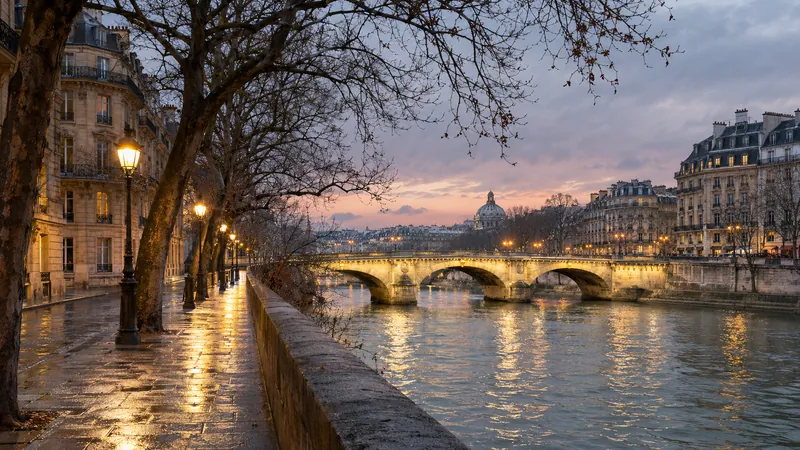
Daylight shapes the day more than it does in summer. A riverside walk saved for after a long museum visit may begin in darkness. If the morning looks inviting, walk first and go indoors later. This gives you time to notice buildings and pause beside the river without rushing.
Plan for wet paving, wind and the occasional need to change damp clothes. Comfortable shoes and layers are more useful than an outfit chosen for a snowy photograph. Carry a light bag with room for a folded outer layer, and check museum bag restrictions before setting out.
“Off-season” covers different periods. Festive travel, school holidays and ordinary weekdays can bring different demands. Check availability for your dates rather than assuming the city will be quiet. A peaceful street outside a museum tells you little about the queue or exhibition inside.
How do you plan around early dusk?
Start with the visit you care about most, then build a small area of exploration around it. Choose a nearby walk, somewhere to eat and a convenient route home. One firm booking usually gives a day enough structure; extra commitments can make a delayed start unnecessarily stressful.
Give your walk a shorter version. You might turn back at an earlier bridge or finish at a station before reaching the intended endpoint. Decide on those options while you are warm and dry, when checking a map is easier.
The Paris three-day itinerary can help you arrange the main sights by area. For winter, reduce the distance between stops and allow longer for lunch, coats, queues and getting your bearings.
Keep the evening manageable. Dinner near your accommodation and a brief stroll may be enough after hours on your feet. If an evening outing matters, leave some space earlier in the day.
How should you choose your museum visits?
Choose a collection because it interests you, then decide how much you want to see. For a large museum, pick a period, a group of rooms or a temporary exhibition as your starting point. Stay longer if you still have the energy.
Read the museum’s own visitor information before booking. Confirm opening days, admission arrangements and whether your chosen exhibition requires a separate reservation. Check bag restrictions, cloakroom details and arrival instructions, particularly if you hope to visit before checking into your accommodation.
Finding the correct entrance, passing through security and collecting coats all take time. Avoid placing a restaurant reservation immediately after your intended departure from the galleries. Leave a gap so the end of the visit does not become a countdown.
Two substantial museums in one day can be tiring even when rain makes the idea appealing. Pair a demanding collection with lunch and a short walk. Keep another nearby indoor option in reserve.
What should you change when rain arrives?
Check Météo-France shortly before departure and during your stay. Use the forecast to adjust flexible activities. A dry morning might suit your riverside walk better than the afternoon originally set aside for it, provided the change fits your booked admission.
Make small changes first. Shortening a walk or choosing lunch near the museum is usually easier than cancelling reservations and crossing Paris in search of a different day.
Keep your accommodation address and return route saved on your phone. If everyone is cold, that is enough information to make a sensible decision. You do not need a replacement attraction every time you drop something from the plan.
| Situation | Useful plan | Check before leaving | Keep flexible |
|---|---|---|---|
| Dry, brighter morning | Walk before going indoors | Forecast and booked entry | Walking distance |
| Persistent rain | Enjoy one substantial museum | Admission availability and entrance | Outdoor detours |
| Wind beside the Seine | Explore nearby streets | Route to an indoor stop | Riverside stretch |
| Dusk after a long visit | Pause nearby before dinner | Journey to your restaurant | Extra sightseeing |
| Festive displays are a priority | Make a compact evening outing | Current dates and locations | Other evening plans |
| Wet clothes or tired feet | Return to your accommodation | Simplest transport route | Optional activities |
How can you enjoy a winter walk along the Seine?
Choose a stretch near somewhere you already plan to visit. A short walk with time to stop is more rewarding than a long route spent hurrying towards warmth. Identify a bridge, station or indoor destination where you can finish comfortably.
Check local notices before using lower riverside paths and respect closures or barriers. A route shown on your map may not be accessible when you arrive. Keep a street-level alternative in mind, and turn back if continuing becomes awkward.
Wear shoes that feel secure on wet paving and take care on steps. An umbrella can be useful in rain but cumbersome in wind or crowds. Keep your phone accessible so checking directions does not involve unpacking your bag beside the river.
For photographs, build in short stops rather than a long wait for a particular view. Once you are uncomfortable, move on or go indoors. Leaving a walk unfinished is a reasonable winter decision.
Where do cafés and meals fit into the day?
Plan a break near your main visit before you need it. Save a couple of options rather than relying on one café with appealing photographs. On arrival, read the menu and decide whether the place suits a drink, a quick lunch or a longer meal.
A seated break can change the afternoon. Take off wet outer layers where practical, eat something and reassess how much walking you want to do. Allow enough time to enjoy the pause instead of treating it as another task.
Check current menus when estimating your spending. Small purchases across the day can add up, particularly when several indoor breaks become meals. Carrying water and knowing where you intend to eat helps you make deliberate choices.
If dinner is a priority, check the restaurant’s opening arrangements and booking policy directly. Otherwise, eating within an easy journey of your base keeps the evening simple.
Are festive windows and lights worth a special outing?
They can provide a pleasant focus for an evening if you enjoy browsing windows and walking through illuminated streets. Choose a compact area and combine it with dinner nearby. Allow space to linger rather than trying to cover several scattered displays.
Check current listings from Paris je t'aime and Visit Paris Region before making plans. Photographs from previous winters do not confirm that a display will return, remain in the same place or still be running during your stay. Verify the individual event’s access arrangements too.
If your dates fall outside the advertised festive period, leave the evening open for a meal or neighbourhood walk. There is no need to replace the displays with another organised activity. An unhurried evening can be welcome after a museum visit.
Where should you stay, and how should you travel?
Choose accommodation by the journeys you will actually make. Useful public transport, nearby places to eat and a straightforward return route matter when you want to rest before dinner. Check the walk from the station, including steps and any luggage difficulties you can identify.
Use the Paris destination guide to get your bearings, then compare possible bases against your planned visits. Being close to one famous sight is less useful if most days begin elsewhere. Check luggage storage arrangements if your arrival and room access do not align.
For travel from or via Central Europe, compare complete journeys rather than the main rail leg alone. Consult SNCF Connect for relevant services and booking conditions, and check official operator information for local connections. Include the journey from your arrival point to your accommodation.
Leave room between separately booked connections and review current service information before departure. A travel day needs allowances for meals, luggage and finding your way. Avoid attaching an inflexible museum reservation to an uncertain arrival.
For a longer trip, the Lyon three-day itinerary and Brussels two-day itinerary can help you judge how much time another stop deserves. Check connections for your actual dates before booking. Moving cities takes a useful share of the day, even when the rail journey looks straightforward.
In short
Give each winter day in Paris one main indoor visit, a flexible daylight walk and time for a proper break. Stay within easy reach of transport and meals, verify festive plans and check official information before travelling. Space in the schedule makes changes easier when rain, queues or tired feet intervene.
Frequently asked questions
Is Paris worth visiting in winter?
Yes, especially for museums, food and neighbourhood walks. Plan around short daylight hours and give yourself regular opportunities to sit somewhere warm. Keep outdoor plans flexible.
Should you expect snow during your trip?
No. Build a trip that works without snow, check the forecast before travelling and adjust your walking plans if surfaces become slippery. Pack for damp conditions and comfortable walking.
Do museums still need booking in winter?
Check each museum’s current rules. Book ahead when a particular visit matters or your dates leave little flexibility. Confirm any separate exhibition requirements before paying for admission.
Is a Seine walk practical after dark?
Choose an accessible, well-lit route and follow local notices. Keep the walk short, know how you will return and stop if conditions feel uncomfortable. Check the return journey before setting out.
Sources and checks
- Paris je t'aime, official tourism officeChecked: 15 November 2026
- Visit Paris RegionChecked: 15 November 2026
- Météo-FranceChecked: 15 November 2026
- SNCF ConnectChecked: 15 November 2026
- France.fr, official tourism siteChecked: 15 November 2026
Itineraries are editorial suggestions for independent visits. Check current prices, opening hours and trail conditions with official providers.