At a glance
Spring is a good time to visit Paris if you enjoy walking between sights and can leave some plans flexible. Longer days allow more time for gardens and the Seine, but sunshine can give way to rain, wind or a chilly evening. Book the attractions that matter most, then fit outdoor time around those commitments and the forecast. Keep a few indoor alternatives in mind, checking their official visitor information before relying on them.
What should you expect from Paris in spring?
Spring in Paris can feel quite different from one day to the next. Early visits may still call for winter layers, especially when sitting outside; later in the season, an afternoon walk can feel comfortably mild. Pack for changing conditions rather than the weather you hope to find.
Longer daylight makes sightseeing less compressed, but daylight and opening hours are separate things. A bright evening does not mean a gated garden remains open. Check access information before making a park your final stop, and keep an evening neighbourhood walk as an alternative.
For an introduction to the city, the Paris destination guide provides broader context. The main seasonal decision is how much to book: enough to secure your priorities, while leaving room to enjoy a pleasant spell outside.
How should you organise a trip without fixing every hour?
Start with the experiences you would be disappointed to miss. A major museum, an exhibition or a landmark visit can anchor a day. Give the surrounding hours some breathing space for travel, lunch and the possibility that you will want to linger.
Pair each booked visit with a nearby outdoor area. This reduces journeys across Paris and makes it easier to change course when rain arrives. Avoid several timed entries in succession: even a straightforward visit can take longer than expected once you include security, cloakrooms and finding the right entrance.
Keep arrival and departure days lighter. The Paris three-day itinerary can help you arrange the main sights; adjust its outdoor sections to suit the conditions. Leave one uncommitted stretch for a rest or the best afternoon of your stay.
Which parks and gardens fit naturally into a visit?
Choose gardens that fit the part of Paris you are already exploring. The Luxembourg Gardens work well as a pause on the Left Bank, while the Tuileries can sit comfortably between central sights. The Jardin des Plantes gives you another option when spending time farther east.
Parc des Buttes-Chaumont or Parc Montsouris may suit a day when the park itself is a priority. Allow for the journey rather than treating either as a quick addition to an already busy route. Consult current access information if a particular entrance, feature or section matters to your visit.
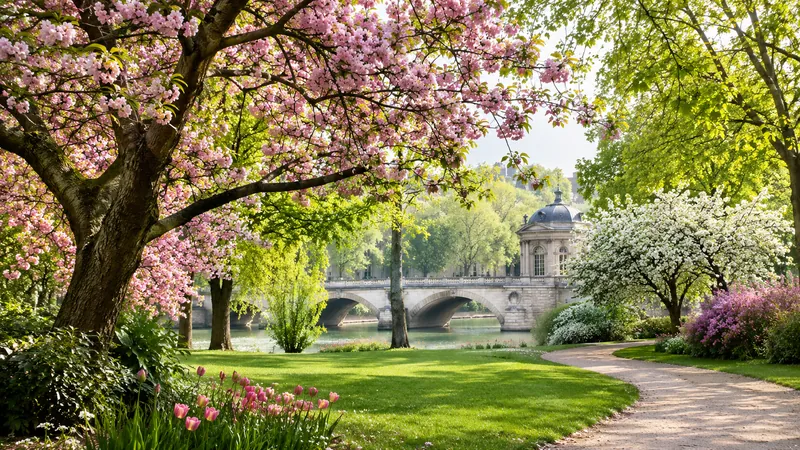
Blossom and fresh leaves are lovely reasons to spend time outside, but their timing varies. Do not build a short trip around reproducing a photograph. Choose a garden that offers something regardless of flowering: space to stroll, somewhere to sit or a break between visits.
How can you make a Seine walk comfortable?
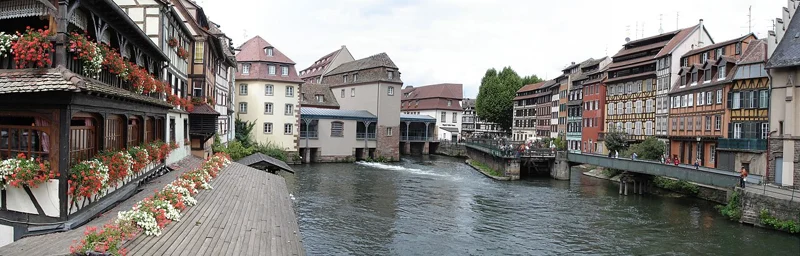
Think in short sections rather than committing to a long, continuous riverside route. Bridge crossings, photographs and pauses soon extend a walk that looks brief on a map. Choose an approximate finishing point with somewhere to eat or a convenient transport connection nearby.
The river can feel cooler and more exposed than neighbouring streets. Bring a layer, even if you leave your accommodation in sunshine, and wear shoes with reliable grip. Take particular care on wet steps and sloping access points.
Lower paths can be affected by river conditions or temporary restrictions. Follow signs and barriers, and use the upper quays when necessary. You can also leave the river for sheltered streets and return later. There is little benefit in finishing a planned distance once everyone is cold or tired.
What should you do when the forecast changes?
Check Météo-France shortly before departure and again during your stay. Use the forecast to move flexible activities around your bookings. If rain is expected later, a morning garden visit might make sense; persistent rain may favour a longer indoor visit and lunch nearby.
Keep a small selection of indoor alternatives that you actually want to see. Check their reservation requirements in advance. A museum with no available entry is not a dependable last-minute option, however conveniently it appears on your map.
Resist filling wet days with extra attractions simply because they are indoors. Transfers still involve wet pavements, queues and coats to carry. One satisfying visit often leaves a better memory than several rushed stops.
| Conditions or constraint | A workable plan | Check before leaving |
|---|---|---|
| Dry, comfortable morning | Garden visit and nearby streets | Park access and onward route |
| Rain expected later | Outdoor walk before an indoor visit | Forecast and entry availability |
| Persistent rain | One museum and lunch nearby | Booking conditions and entrances |
| Cool or windy weather | Short river walk with inland breaks | Layers and accessible routes |
| Limited walking energy | One compact district with seated pauses | Transport and step-free access |
| Clear evening | Brief walk near your accommodation | Return route and garden closing information |
Which booking details deserve a closer look?
For popular attractions such as the Louvre, Musée d’Orsay and Eiffel Tower, read the institution’s official visitor information before choosing a slot. The official tourism sources at the end can help you identify places to visit; confirm admission arrangements directly with the attraction.
Check what the booking includes. A general admission ticket may have different conditions from a particular exhibition or experience. Read instructions for every member of your party, including anyone who may qualify for a concession or free admission. Eligibility and reservation requirements are separate questions.
Keep confirmations accessible on your phone, with an offline copy where possible. Check the entrance instructions as well as the address: a large site may have several access points. Allow time for security and leave a comfortable gap before your next commitment.
How can you keep the best weather free?
You cannot know the conditions when booking well ahead, so protect outdoor time across several days. If a museum is the main reason for your trip, choose a sensible available slot and work around it. Waiting for a reliable forecast could leave fewer choices.
Once in Paris, use bright intervals for modest outings. A garden circuit or a short river section does not require an entirely dry day. Keeping your walking plans short also makes them easier to fit between a booked visit and dinner.
School holidays, public holidays and popular exhibitions can affect demand. Check the official tourism and attraction pages for information relevant to your dates. Spring alone tells you little about how busy a particular place will be, so judge each essential booking on its own terms.
What should you consider when travelling from Central Europe?
Compare the whole journey, including connections and the transfer to your accommodation. A convenient arrival time may be more useful than a shorter journey that leaves you crossing Paris late in the evening. Keep the first night simple enough to absorb a delay.
For rail journeys, consult SNCF Connect for services and booking information on your dates. Read connection details carefully, especially when combining separate bookings. Before departure, save the information you need to reach your accommodation without depending entirely on a mobile connection.
If you are considering another stop, weigh the extra travel against the time you would gain there. The Lyon three-day itinerary can help you assess a longer French trip, while the Brussels two-day itinerary offers another city-break option. Check actual connections before settling on either combination.
What makes an ordinary sightseeing day easier?
Pack for a change of conditions without carrying everything you own. A removable layer, rain protection and comfortable shoes are useful starting points. Check an attraction’s bag rules before bringing a large daypack, and consider how you will carry wet belongings indoors.
Plan a meal area before everyone becomes hungry. You can keep the restaurant choice spontaneous while knowing which neighbourhood suits the next part of your day. For a picnic, buy food once conditions look comfortable for sitting outside, and observe local rules about lawns and eating.
Build in seated breaks even if you usually enjoy walking. Standing through a museum adds to the effort of travelling on foot. Taking transport for one section or stopping at a café can make the remaining hours more enjoyable.
If anyone has mobility needs, plan around actual entrances and routes rather than distances alone. A short journey may still involve steps or an awkward interchange. Check current accessibility information with transport operators and attractions before deciding on your route.
In short
Give your spring visit a few firm priorities and enough space to respond to the day. Choose gardens near your booked sights, keep river walks manageable and check forecasts alongside official access information. A comfortable pace leaves time to enjoy both the places you planned to see and the pauses between them.
Frequently asked questions
Is spring a good time for a first visit to Paris?
Yes, especially for combining major sights with gardens and neighbourhood walks. Book your main priorities and leave some time movable. Expect changes in conditions rather than consistently warm days.
Can you rely on warm weather in spring?
No. Mild afternoons are possible, but cool, wet or windy periods can affect a visit. Check the forecast near departure and carry layers that you can add or remove.
Should you book museums before arriving?
Book ahead when a museum or exhibition is central to your plans. Read its current visitor instructions and check reservation requirements for everyone in your party before choosing an entry time.
Can you enjoy Paris without walking all day?
Yes. Explore one compact area at a time, use public transport between districts and include seated breaks. A short garden or river walk can fit around one main attraction.
Sources and checks
- Paris je t'aime, official tourism officeChecked: 15 November 2026
- Visit Paris RegionChecked: 15 November 2026
- Météo-FranceChecked: 15 November 2026
- France.fr, official tourism siteChecked: 15 November 2026
- SNCF ConnectChecked: 15 November 2026
Itineraries are editorial suggestions for independent visits. Check current prices, opening hours and trail conditions with official providers.