At a glance
Use the first Lyon day for Fourvière and Vieux Lyon, the second for the Presqu’île and one art visit, and the third for a different district or a focused cultural alternative. Three full days leave space for meals that deserve attention rather than hurried gaps. Explore traboules only where visitor access is explicitly permitted: many passages belong to residential buildings. The Museum of Fine Arts normally closes on Tuesday, so arrange the day order around its current calendar.
The hills and rivers give the trip a natural structure
Lyon becomes easier to understand when you separate the hill and old-town day from the peninsula between its two rivers. The third day then provides a different neighbourhood or cultural emphasis. This keeps walking routes coherent and reduces repeated cross-city journeys. Choose your principal museum and any meal you want to reserve before finalising the sequence. The route assumes three full city days, with arrival and departure transfers allowed separately.
Choose accommodation by both transport access and the evening area you prefer. A room convenient for your railway arrival may still require a connection to Vieux Lyon or the hill. A central peninsula base can simplify several walks but does not remove the need to plan slopes. Check the actual hotel street, luggage access and nearby stops. The name of a broad district alone does not tell you how easy every daily journey will be.
| Day | Main area | Anchor | Key choice |
|---|---|---|---|
| One | Fourvière and Vieux Lyon | Hilltop setting and historic lanes | Permitted passages only |
| Two | Presqu’île | Museum of Fine Arts if selected | Normally closed Tuesday |
| Three | One different district | Neighbourhood or specialist collection | Replace rather than stack major museum visits |
Day one morning: Fourvière with a sensible descent
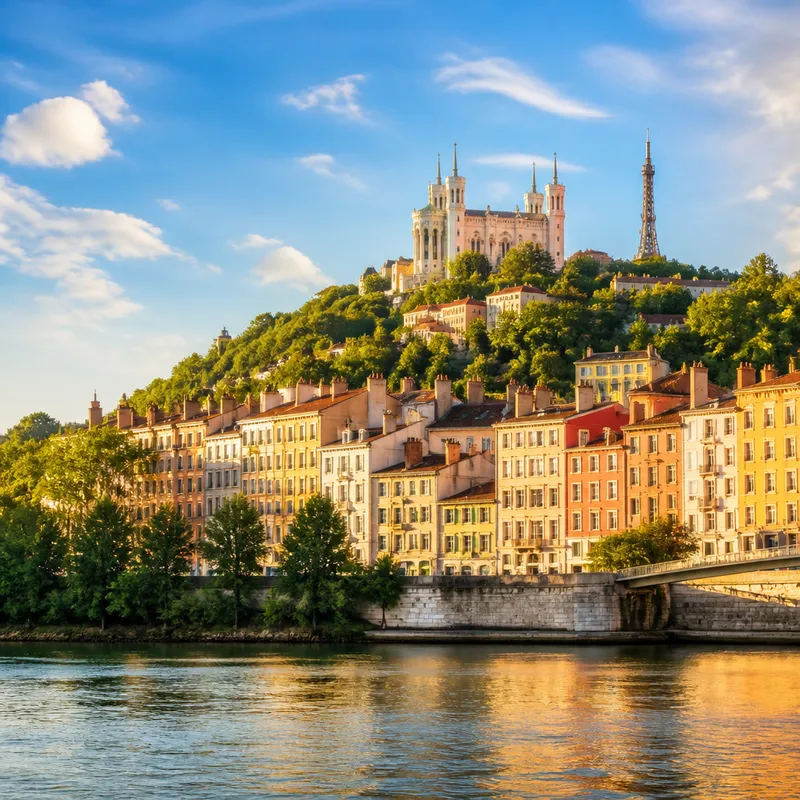
Begin with Fourvière, using a suitable approach rather than assuming everyone wants to climb from the river on foot. Check current transport and access arrangements if slopes or stairs affect your group. The basilica and surrounding hilltop setting provide an orientation over the city. Distinguish an ordinary visitor entry from any special tour or restricted area, and give worship priority inside the church.
Allow time to identify the rivers and central areas below. This view helps make the next two days feel connected rather than like unrelated attraction lists. If you choose a nearby heritage or archaeological visit, give it a defined block and verify the current opening. Do not assume every site on the hill shares the basilica’s access. A viewpoint and one selected interior are enough before lunch.
Choose a descent appropriate to the conditions and your mobility. The tourism office’s routes connect Fourvière and Vieux Lyon through the hillside setting, but wet paths or stairs can change what feels comfortable. A suitable transport return is a valid alternative. Plan lunch after the descent rather than expecting to leave a hilltop viewpoint and arrive immediately at a restaurant in the old streets below.
Day one afternoon: Vieux Lyon and residential traboules
Explore Vieux Lyon with a modest circuit through its public streets and squares. The Renaissance architecture is easier to appreciate when you leave room to compare courtyards and facades instead of chasing every photographed passage. A guided walk can be useful if you want historical context and clear information about authorised access. Choose an operator and route that respect the neighbourhood as a place where people still live.
Traboules are passages through buildings and courtyards, and visitor access is limited to those made available under specific arrangements. Do not follow someone through a private entrance or assume an unlocked door is an invitation. Follow posted hours, move quietly and avoid blocking residents’ access. The city’s preservation arrangements exist alongside everyday residential use. A closed passage should simply change the walk, not prompt an attempt to gain entry.
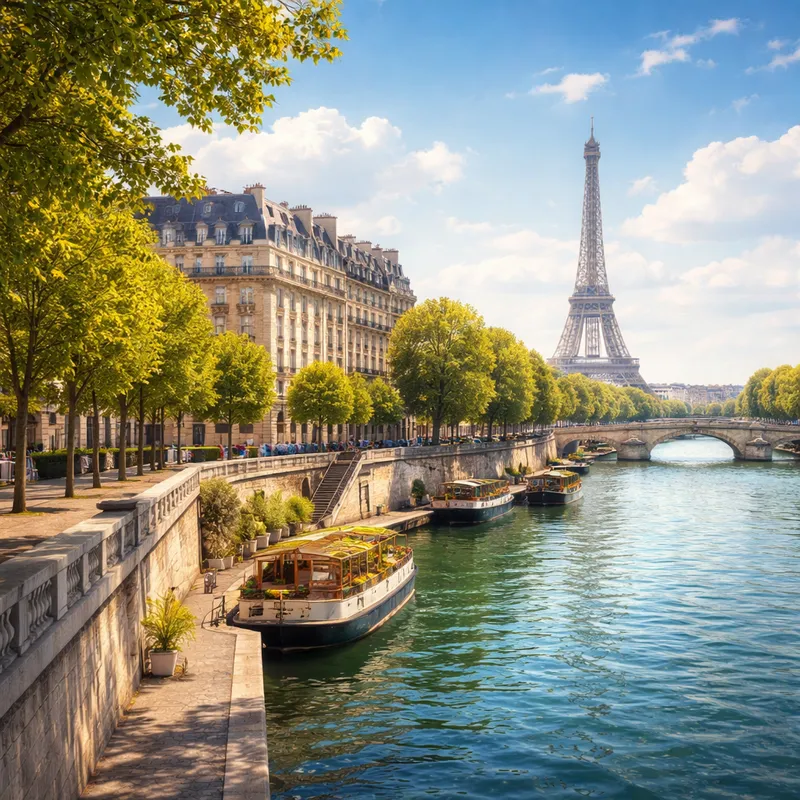
Choose one church or cultural interior if it interests you and is open, then keep the final afternoon light. A café and another street loop can be more enjoyable than several short admissions. Our Paris itinerary offers another French city stay with a different scale and museum balance. Give it its own days rather than treating Lyon as a quick substitute for a Paris attraction list.
Make the Saint-Jean cathedral area and Rue Saint-Jean the named references for a selected lower old-town walk after Fourvière. Use public streets as the reliable framework. A traboule passage needs clear authorised visitor access; a mapped doorway or an attractive courtyard photograph is not permission to enter. Choose a guide if passage history is important, and keep a street-level alternative when a doorway is closed.
Day two: the Presqu’île and a focused art visit
For the peninsula day, use Place Bellecour, a selected Rue de la République section and Place des Terreaux as a defined central sequence. Lyon Tourism identifies these square and street relationships. The Museum of Fine Arts is the main interior near Terreaux if that is your priority; entering it replaces much of the extended city walk. The peninsula continues much farther toward Confluence, which is a separate district block rather than the end of every short centre route.
The museum normally closes on Tuesdays and listed holidays. Check your exact date, current exhibition and ticket arrangements before setting out. Permanent collection and temporary exhibition admissions may differ. If online ticketing is temporarily unavailable, follow the museum’s current instructions rather than assuming a booking link shown elsewhere still operates. A sightseeing card can provide a benefit without removing the need to check entry conditions.
Leave lunch or a café pause after the art visit and keep the remainder of the peninsula walk flexible. A museum session that runs longer than expected should not force you to hurry through the meal. In clear weather, continue towards a public riverbank route for a different perspective. In rain, shorten that section and stay near the central area. Avoid travelling between several distant indoor alternatives just to fill every hour.
Meals are part of the Lyon plan
Choose at least one meal as an experience you want to give time to, rather than treating food only as fuel between attractions. Compare the actual menu, opening schedule and reservation conditions before booking. A traditional-style restaurant can offer a particular format or limited choice, so check that it suits your preferences and dietary needs. A label associated with local cuisine does not establish that every restaurant provides the same menu or quality.
Place a reserved meal where it fits the day’s geography. Travelling across the city solely to follow several recommendations can consume the time you meant to spend in museums or streets. Leave another meal flexible near your accommodation, especially after a longer cultural visit. A bakery purchase or café pause can complement the trip, but it does not need to become a checklist of every famous dish or pastry.
Day three: choose a district or a specialist collection
Give the third day a single clear focus beyond the first two loops. A neighbourhood walk can show a different Lyon, while a specialist museum can develop a subject that interests you. The tourism office highlights options including film history and the city’s wartime history. Choose one according to your interests and verify its actual location, calendar and ticket. These are substantial alternatives, not brief extras automatically added to the same afternoon.
If you choose a hillside district, account for slopes and return transport rather than judging the route only by distance. If a collection is the priority, plan lunch nearby and leave room to read. The final afternoon can remain a shorter river walk or a return to a favourite area. Three city days provide enough variety without requiring several major museums in succession. Keep attention and energy in the plan as well as opening times.
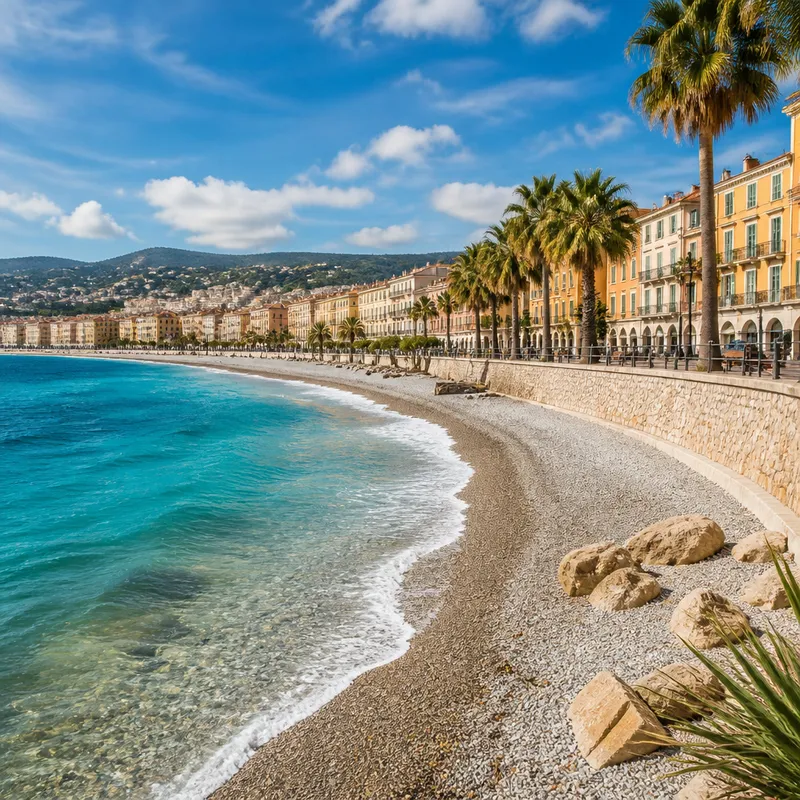
Our Nice itinerary offers a contrasting French stay beside the Mediterranean. The culture and history guides help compare different city experiences without merging their collections or tourist-card rules. A wider journey should allocate separate travel time between Lyon and the next destination rather than counting a transfer as a full sightseeing morning in both places.
Croix-Rousse can be the district-led alternative, with its slopes and plateau considered as different walking demands. Confluence is a different southern programme and should replace that hill district rather than automatically follow it. A film-history or wartime-history museum is another subject-led choice with a different location. Select one actual third-day destination before comparing tickets and the connecting journey.
Local journeys, passes and a practical budget
Walking works well inside each chosen area, while suitable public transport helps with hill and cross-city connections. Verify the current ticket and validation rules before travelling. A city pass should be compared with the museum entries and journeys you actually intend to use. Read whether a benefit is admission, a discount or a transport inclusion, and check reservations separately. Adding extra attractions solely to justify a pass can weaken an otherwise well-paced route.
Budget for accommodation and meals first, then the selected museums and transport. Much of the street and river programme can be enjoyed without admission tickets. Keep a margin for an indoor break when rain arrives and for a proper meal after a long museum visit. A slightly less central hotel with a practical connection may be worth comparing with an expensive room whose main advantage is its address.
Before arriving, recheck the art museum’s calendar, authorised traboule access and any specialist visit or restaurant booking. Save exact entrances and allow the hill descent or transport journey in your arrival time. If departure falls on day three, shorten the optional afternoon and allow luggage collection plus the full terminal connection. The route’s flexible blocks are there to make the trip fit your interests and dates without rushing its strongest experiences.
Use the rivers to separate the days, not to repeat the same loop
The Fourvière/Vieux Lyon day supplies hilltop orientation and older streets. The Bellecour–Terreaux day supplies the peninsula setting and a focused collection. The final day then develops one new interest. If the first day’s descent is unsuitable, choose an appropriate connection and keep the lower street section; changing the approach does not require abandoning the whole visit.
Allow roughly two to three hours for the selected peninsula exterior route with pauses, adding the museum and a sit-down meal separately. This is an editorial allowance, not a measured walk. If a restaurant reservation fixes the lunch location, choose the route order around it rather than crossing both rivers repeatedly. A longer Confluence visit can replace the third-day district or museum, with its actual journey and return saved before setting out.
Frequently asked questions
Is three days enough for Lyon?
Three full days suit Fourvière, Vieux Lyon, the Presqu’île and one additional district or specialist collection, with time for substantial meals. Add time for several major museums or excursions.
Can I enter any traboule that has an open door?
No. Use only passages with explicitly permitted visitor access, following posted hours and resident instructions. An unlocked residential entrance is not permission to explore.
When is the Museum of Fine Arts closed?
Its regular calendar closes on Tuesday and listed holidays. Check your exact travel date and current ticket arrangements before placing the visit in the itinerary.
Do I need to walk up every hill?
No. Choose suitable transport or gentler alternatives when slopes, stairs or weather make an ascent uncomfortable. The city route should fit your mobility rather than require every climb.
Sources and checks
- Lyon Tourism: three-day routeChecked: 8 October 2026
- Lyon Tourism: Vieux LyonChecked: 8 October 2026
- City of Lyon: traboules and residentsChecked: 8 October 2026
- Lyon Museum of Fine Arts: first visitChecked: 8 October 2026
- Lyon Tourism — Presqu’île streets and squaresChecked: 8 October 2026
Itineraries are editorial suggestions for independent visits. Check current prices, opening hours and trail conditions with official providers.