At a glance
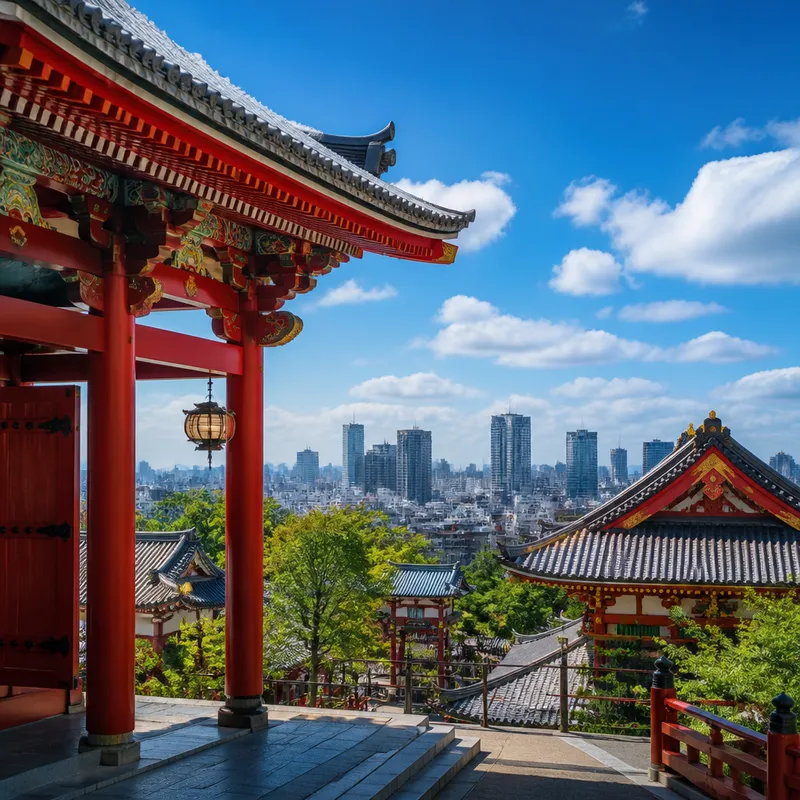
Plan Tokyo’s cherry blossom season around a flexible stay, one main viewing area each day and an enjoyable indoor option nearby. Use official tourism information to choose locations, then distinguish flowering predictions from reports of what has actually opened. Weekday visits may make popular paths easier to navigate, but cannot guarantee quiet surroundings or peak flowers. Choose a trip you would enjoy even if the blossoms arrive earlier or later than expected.
When should you book a Tokyo blossom trip?
Late March and early April are a broad planning window for Tokyo’s main cherry blossom season, rather than guaranteed dates. Varieties flower at different times, and conditions vary between sites. Photographs from previous springs offer inspiration, but cannot tell you when to travel next year.
For travellers coming from Central Europe, flights and accommodation are substantial commitments. Choose dates that suit the whole holiday and read cancellation conditions before paying. Flexible accommodation can help; a changeable flight is useful only if you could realistically move your trip.
Give yourself several opportunities to see trees. Short walks spread across your stay offer more flexibility than making one afternoon the focus of the holiday. Keep arrival day light and choose accommodation for convenient transport and a neighbourhood you want to explore.
Which official information should you check?
Start with Go Tokyo for city tourism guidance and blossom locations, and the Japan National Tourism Organization for wider seasonal context. Check every forecast’s publication date, the year it covers and who produced it. A tourism page may present predictions supplied by another organisation.
First flowering and full bloom describe different stages. Neither tells you exactly how a particular path will look when you arrive. An observation records what has happened at a monitored location; a prediction estimates what may happen next.
Use the Japan Meteorological Agency for official meteorological information and weather forecasts relevant to your plans. Revisit information before departure and during your stay. Confirm access, reservations, opening hours and events through venue information identified by the official sources listed below.
How should forecasts change your daily plans?
Use forecasts to change the order of activities. If current reports suggest good flowering and suitable weather, bring your main blossom walk forward. If conditions are unpleasant, choose your indoor option and preserve another opportunity for outdoor time.
Keep a small shortlist on your phone: a principal viewing place, an alternative elsewhere and a convenient walk near your accommodation. Note when you checked each one. An old screenshot can otherwise become the basis for a decision long after conditions have changed.
Choose an area before leaving the hotel. Repeatedly crossing Tokyo in pursuit of a better view can consume your walking time. Good travel planning leaves room to respond while keeping daily decisions manageable.
Which parks and riversides suit your visit?
Start with the outing you enjoy: a garden visit, a walk beside water or a brief stop between other activities. A famous name alone says little about how comfortably a location fits your pace.
Ueno suits a day combining outdoor time with culture. Shinjuku Gyoen works well when the garden itself is your main destination. Check individual rules: gardens and public parks do not necessarily share admission or picnic arrangements.
At Chidorigafuchi and Meguro River, allow for slow movement around viewpoints. Enjoy the route as a walk rather than building the afternoon around an uninterrupted photograph.
| Place | Best suited to | What to check | Practical approach |
|---|---|---|---|
| Ueno Park | Trees and culture | Museum access and park guidance | Add one cultural visit |
| Shinjuku Gyoen | A dedicated garden outing | Entry and reservation arrangements | Allow time for wandering |
| Chidorigafuchi | Views beside the moat | Access and event arrangements | Pause where space permits |
| Meguro River | An urban riverside walk | Local pedestrian guidance | Choose a manageable stretch |
| A public park near your hotel | Short, repeated visits | Access and local flowering | Include in neighbourhood walks |
Are neighbourhood streets a useful alternative?
Yes, particularly when you want blossom viewing to fit around meals and ordinary exploration. A public green space or a tree beside your route can provide a satisfying pause without another train journey.
A neighbourhood setting does not automatically mean quiet. A celebrated riverside street may draw crowds, while a residential lane may offer little space to stop. Choose public places where you can stand without obstructing entrances or people passing.
Ask accommodation staff about nearby public spaces with trees, then check access yourself. Private gardens, school grounds and apartment courtyards are not visitor attractions. Photograph from public paths and move on if stopping creates a bottleneck.
How much difference does weekday timing make?
A weekday is a sensible preference for your most popular stop, especially if you can avoid lunchtime and the period after work. Think of it as improving your chances of easier movement. Good flowering and favourable weather can attract visitors on any day.
For a gated garden, confirm entry arrangements before committing to an early start. On open routes, consider the surrounding neighbourhood too. Keep station exits clear while gathering your group.
Decide roughly where to eat before everyone becomes tired and hungry. Looking beyond the main viewing route gives you more options. Carry water and a modest snack, follow local eating rules and leave room in your bag for rubbish.
What does a realistic spring day look like?
Give the day one main outdoor outing, a meal and an optional second activity. Leave space for navigating stations, finding entrances, using toilets and sitting down. A map’s walking estimate rarely reflects the pace of a crowded blossom route.
Use the Tokyo three-day itinerary for a broader sightseeing framework, then adjust the order around current conditions. Adding a substantial blossom visit usually means removing something else.
Keep fixed bookings geographically sensible. A museum entry across the city can turn a leisurely morning into clock-watching. Among city breaks, Tokyo rewards attention to journeys between activities.
For groups, agree on a meeting point before entering a busy area. With children or anyone who tires easily, identify rest opportunities and a straightforward route back. Finish with enough energy to enjoy the evening.
How can you make the walking manageable?
Look at the whole journey, including station transfers and the walk from platform to park. A route that appears short on a city map may involve stairs, lengthy passages or an entrance farther away than expected.
If step-free access matters, check current station and venue accessibility information before setting out. The nearest exit may not be the most suitable. Save your intended entrance and a simpler return route, so you have fewer decisions to make when tired.
Wear comfortable, familiar shoes and keep your bag light. Plan somewhere to rest without depending on an empty bench beside the best-known trees. A shorter walk followed by a relaxed meal can make a satisfying day.
What should your indoor backup include?
Choose something you would actively enjoy: a museum, gallery, exhibition or unhurried meal. Keep it near your intended outdoor area where possible. A complicated journey becomes less appealing once coats are wet and everyone wants a seat.
Check opening days, booking requirements and entry conditions through official tourism and venue information. A museum beside a popular park may attract other visitors escaping the rain, so immediate entry should not be your only workable plan.
Carry a light waterproof layer and something warmer for standing still. A compact umbrella can help, though crowded paths require care. Leave enough flexibility to shorten a walk, dry off and continue with the day.
How should you handle picnics, photographs and evening visits?
Decide whether you want a picnic or a walk before buying food. Sitting, alcohol and other activities may be restricted at particular sites. Follow signs and staff instructions, keep paths clear and take rubbish away when suitable bins are unavailable.
For photographs, find somewhere with enough room, take your picture and let others through. Leave branches untouched and respect barriers around roots and planted areas. A less congested viewpoint gives you more time to look.
Treat an evening visit as a separate outing. Illumination arrangements and events can change, so verify current details through official tourism and operator information. Consider the journey back and everyone’s remaining energy before adding another stop.
Should you change a longer Japan itinerary for the blossoms?
Avoid assuming another city will be at the same blossom stage as Tokyo. Check each destination separately and give onward stops their own purpose. The Kyoto Fushimi visitor guide can help you plan a distinct outing within a longer journey.
Before changing hotels or transport, compare the disruption with the likely benefit. A newer flowering report still cannot promise what you will see on arrival. Keeping a comfortable base and taking a second local walk may be more rewarding than spending another day moving luggage.
In short
Book a Tokyo trip that appeals beyond blossom viewing, then use current information to decide when and where to walk. Give one main location enough time, keep an enjoyable indoor option nearby and allow yourself to change the order. Leave space to enjoy the city as you find it.
Frequently asked questions
Can I guarantee seeing Tokyo at full bloom?
No. Spread viewing opportunities across your stay and keep activities you would enjoy regardless of flowering. Forecasts help with decisions but cannot guarantee conditions at every location.
Should I reserve every blossom visit?
Check each site individually. Gardens, special events and evening openings may have different arrangements from public paths. Confirm current requirements before setting out.
Is a weekday morning always quiet?
No. Popular places can still be busy. A weekday morning is a reasonable preference, but allow extra time at entrances and viewpoints.
What if the main blossoms have already fallen?
Check current local information for other varieties or locations, without assuming they will be flowering. Continue with your wider Tokyo plans rather than chasing uncertain reports every day.
Sources and checks
- Go Tokyo, official city tourismChecked: 15 November 2026
- Japan National Tourism OrganizationChecked: 15 November 2026
- Japan Meteorological AgencyChecked: 15 November 2026
Itineraries are editorial suggestions for independent visits. Check current prices, opening hours and trail conditions with official providers.