At a glance
Use three days in Tokyo for Asakusa and a selected Ueno interest, Shibuya and nearby western districts, then a focused Shinjuku or central-city programme. Keep each day geographically coherent and choose one substantial indoor attraction at a time. Tokyo Metro, Toei Subway and JR are different networks, so check the coverage of any pass. Three days provide an introduction; they do not cover the whole city.
Start with districts before selecting attractions
Tokyo is more manageable when you choose the character of each day before adding individual sights. The traditional streets around Asakusa, the collections and green space around Ueno, and the western city's major commercial districts offer different experiences. Repeatedly travelling between them for unrelated recommendations can consume much of a short stay. Group the places that genuinely interest you and give them time.
Three full days are an introduction rather than a complete Tokyo visit. The official tourism material provides several first-visit approaches, but your interests should determine which parts you keep. Food, architecture, art, shopping and contemporary street life point to different indoor blocks. Do not assume everyone in the party wants the same department stores, observation decks or specialist collections.
Day one: Asakusa with a considered temple visit
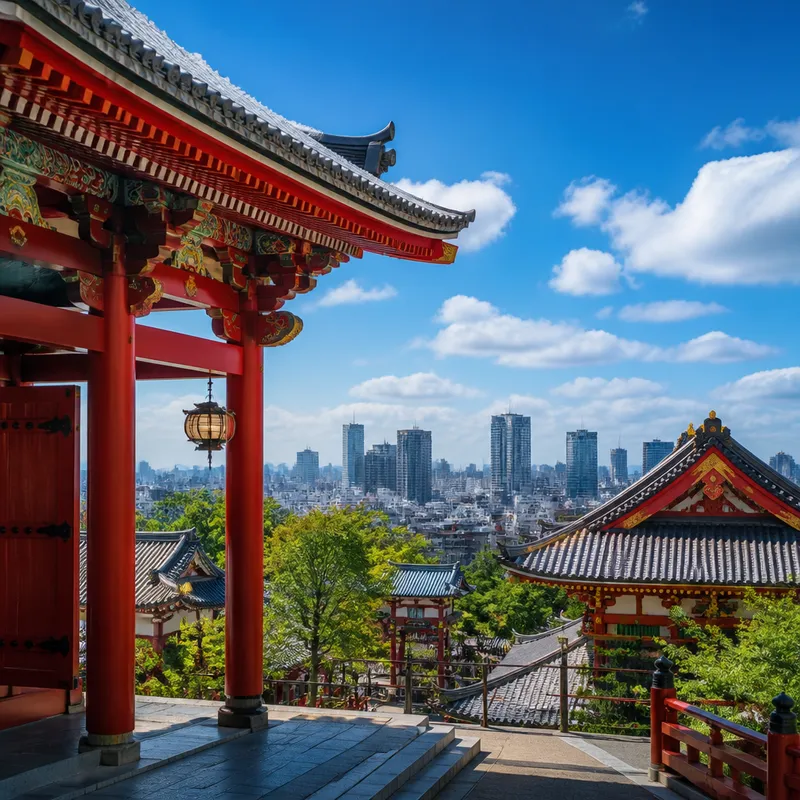
Begin with Kaminarimon and Nakamise-dori as named references on the approach to Sensō-ji. GO TOKYO identifies this sequence. The temple setting and commercial street have different purposes and visitor rhythms, so a temple visit does not guarantee every shop is trading at that time. Kappabashi is an optional separate shopping-led extension, not a required detour before a substantial Ueno collection.
Choose a connected street route rather than moving between every saved shop or food stall. Check business hours for places important to you. Morning, afternoon and evening visits can produce different experiences, and a photograph of an empty street is not a guarantee of conditions on arrival. Leave room for a meal and a pause without making the whole morning dependent on a particular queue.
Kappabashi can be an optional extension for someone interested in kitchenware and related shops. Treat it as a specific shopping interest with actual addresses and opening hours, not an obligatory detour for every visitor. If shopping is not a priority, a shorter Asakusa route and more time in Ueno may create a better balance. The useful itinerary is the one that reflects why you came.
Ueno: select a collection or enjoy the outdoor setting
Make Ueno the second part of the day if its interests match yours. Choose one museum or cultural stop after checking the current collection, calendar and ticket requirements. Several important institutions in one area still require separate decisions. A full museum visit should replace part of the outdoor programme rather than simply extending the day until everyone is tired.
The surrounding green space can provide a different rhythm from busy commercial streets. Choose the walk's length according to the weather and group. It is reasonable to spend the afternoon on one collection and a relaxed meal instead of attempting every attraction associated with the district. Save another subject for an extra day if it matters strongly.
Our Kyoto Fushimi visitor guide covers a different Japanese setting and visitor purpose. It should be planned as part of a separate Kyoto stay, not an afternoon addition to this Tokyo route. A wider trip needs its own intercity travel and accommodation decisions.
Day two: Shibuya and a connected western route
Choose Shibuya’s crossing and a selected surrounding street section as the commercial block, then make Harajuku/Omotesando the next district choice if those interests appeal. The Meiji Jingu approach supplies a different religious and wooded setting nearby, with its actual gate and calendar to check. GO TOKYO groups these western areas in its first-visit route, but each walk and connecting journey still takes time. A reserved viewpoint replaces some of the browsing rather than being an invisible extra.
Harajuku and surrounding western districts may fit a connected route, depending on the specific places you choose. Check the distance and transport between addresses rather than assuming a set of familiar neighbourhood names forms a compact walk. Fashion and retail interests vary widely, so select what suits you. There is no requirement to enter every major store or pay for a viewpoint.
If you want a shrine, museum or observation experience, verify its current visitor arrangement separately. The public streets being accessible does not determine the product or opening of an interior. Give a reserved attraction enough margin, especially if the approach involves finding the correct entrance within a large complex. A city viewpoint can be appealing, but weather and access conditions should be part of the decision.
Day three: Shinjuku or a different central-city priority
Make the third day a deliberate choice. Shinjuku can support a programme of urban streets, a selected cultural or garden interest and an evening meal. Another traveller may prefer the Tokyo Station and Ginza area for a different architectural and commercial setting. Choose one main programme rather than crossing between both simply because they appear in first-time lists.
If Shinjuku is the choice, identify the actual station exit and destination before arriving. Large stations can require more navigation than a single map pin suggests. Save the accommodation address and a route for returning after dinner. If a garden or other ticketed site matters, check its current calendar and visitor conditions rather than assuming every public-looking green space has unrestricted entry.
This day can also deepen an interest you discovered earlier. A specialist collection, carefully chosen food experience or a longer district walk may be more rewarding than the extra landmark originally added at home. Keep the final part appropriate to your departure plan. A luggage journey to a station or airport can consume more than the headline travel time.
For the Shinjuku version, choose whether the main outdoor interest is Shinjuku Gyoen or a selected western skyscraper-area walk. A garden interior has its own entry gate and visitor calendar, while a viewing facility needs a separate current check. If Tokyo Station and Ginza are the priority, use that central-city programme instead of also promising a full Shinjuku day. Save the route from the actual station exit you intend to use.
Make transport products match the actual route
Tokyo Metro and Toei operate subway networks, while JR and other railway operators serve different journeys. A product described as a subway ticket should not be assumed to cover every train in Tokyo. Check the lines included and compare them with the journeys on your own itinerary. Airport and intercity travel require their own product decisions.
Tokyo Metro's information checked on 8 October 2026 describes several ticket and payment options, including rechargeable IC cards. An IC card is a payment tool, not a promise of unlimited travel. Read current availability, purchase and charging arrangements for the option you choose. Do not rely on an old blanket statement about payment methods when the operator's offerings may have changed.
Keep station names and useful route details saved, and allow time for navigation. The most convenient accommodation may be beside a useful connection rather than the closest point to a famous attraction. A direct journey can sometimes be easier than a shorter route with unfamiliar transfers. Choose based on actual destinations, luggage and the needs of the group.
Three days with sensible district grouping
The table is a selection framework, not a timetable or claim that every stop must fit. Exchange days around the calendars of your chosen indoor attractions. With two days, choose the districts that interest you most and reduce the rest. With more time, deepen a subject or add another district rather than continually repeating the same crossing and viewpoint circuit.
| Day | Main area | Main decision | Keep flexible |
|---|---|---|---|
| One | Asakusa and selected Ueno interest | Temple-area walk and one collection | Shopping extension or green-space pause |
| Two | Shibuya and connected western streets | Retail, architecture or chosen interior | Neighbourhood route and meal |
| Three | Shinjuku or central Tokyo | One focused programme | Evening and departure margin |
Food, accommodation and final checks
Choose meals by location, current menu and your requirements rather than the claim that every recommended venue is essential. A queue is a personal choice, not a fixed feature the itinerary must preserve. This guide does not claim firsthand testing of restaurants. Keep at least one meal near the day's area so that dining does not repeatedly undo the benefits of district grouping.
Our Singapore itinerary and city breaks collection offer other international short-trip frameworks. GO TOKYO and Tokyo Metro information was checked on 8 October 2026. Confirm your chosen attraction calendars, ticket coverage and specific arrival airport before travel. This editorial route gives a selective introduction to Tokyo's varied districts without promising complete coverage or a queue-free schedule.
Ueno and western Tokyo deserve distinct walking blocks
Place Ueno’s chosen museum at the centre of the first afternoon only if you genuinely want a substantial collection visit. In that version, omit Kappabashi and keep the temple-area morning finite. On the western day, choose the commercial streets or the wooded shrine approach as the longer interest and give the other a shorter block. An impressive map of every district does not explain the time spent at each one.
Allow roughly two to three hours for a selected district walk with pauses, with a major museum, shrine visit, meal and transport counted separately as appropriate. These are editorial estimates, not personally timed routes. Do not assume all lines or exits with a similar station name are interchangeable. If an onward train fixes the final afternoon, remove the additional district and protect luggage collection and station navigation before keeping another viewpoint appointment.
Frequently asked questions
Are three days enough for Tokyo?
Three full days provide a selective first introduction to several districts. Add time for multiple large collections, specialist interests or excursions beyond the city.
Does a Tokyo subway pass cover every train?
Do not assume that. Tokyo Metro, Toei Subway, JR and other operators have different networks and products. Check coverage against your actual journeys.
Is an IC card an unlimited-travel pass?
No. Treat it as a payment tool and check current purchase, charging and usage arrangements. A separate pass has its own coverage and conditions.
Should I visit every famous Tokyo district in three days?
Choose geographically connected areas according to your interests. Constantly moving between distant recommendations can leave little time to enjoy any one neighbourhood.
Sources and checks
- GO TOKYO — Asakusa/Ueno and western district routeChecked: 8 October 2026
- GO TOKYO: first-time visitor areasChecked: 8 October 2026
- Tokyo Metro: before boardingChecked: 8 October 2026
- Tokyo Metro: ticket productsChecked: 8 October 2026
- GO TOKYO — official central Tokyo mapChecked: 8 October 2026
Itineraries are editorial suggestions for independent visits. Check current prices, opening hours and trail conditions with official providers.