At a glance
Plan a Kyoto cherry blossom trip around several flexible spring days, rather than one outing pinned to a predicted peak. Flowering varies between years, varieties and locations, so a forecast cannot guarantee the scene at a particular garden. Group your sightseeing by neighbourhood, keep some daylight hours unbooked and choose nearby alternatives for rain or disappointing flowers. Give cultural visits, meals and rest enough room to make the holiday worthwhile whatever the trees are doing.
When should you plan to visit Kyoto for cherry blossoms?
Late March and early April are a broad starting point for research, rather than a promise. Before choosing your stay, decide how much flexibility your budget and leave allowance permit. Several nights provide more opportunities for blossom walks than an afternoon between trains, although no length of stay guarantees full bloom.
If your dates are fixed, build a trip you would enjoy without sakura. Choose temples, neighbourhoods and other cultural interests independently, then use blossom observations to arrange those days.
For travellers arriving from Central Europe, flight connections and recovery time deserve attention too. Keep the arrival day manageable, especially before committing to an early start the following morning.
What can a blossom forecast actually tell you?
A forecast estimates when flowering will reach a particular stage in a named place. First flowers and full bloom describe different stages; neither means every tree across Kyoto will look alike. Read the explanation alongside the date when comparing reports.
Check when an update was published and whether it gives a prediction or an observation. A recent photograph from a named garden answers a different question from a citywide forecast. Both help when their scope is clear.
Use Kyoto City’s official travel guide for local seasonal information and JNTO for wider context. Consult the Japan Meteorological Agency for weather forecasts and warnings. The sources below are starting points; check what each update actually covers.
Save useful information with its location and publication date. Older blossom photographs can otherwise be mistaken for current conditions.
Why might nearby places flower at different times?
Different cherry varieties do not all flower together, and seasonal conditions affect their development. Rain and wind can also change the appearance of flowers already open. A date chosen months ahead therefore needs to remain a planning assumption.
Differences between sites may offer alternatives, but avoid assuming there will always be an equally good display nearby. A report about one garden says little about an unrelated route across the city.
Treat photographs carefully too. A tightly framed image might show one attractive tree without revealing the surrounding conditions. Before making a special journey, look for a recent date, an identifiable location and a wider view.
How can you make mornings easier and manage crowds?
Choose one main outdoor area for the morning. An early start may make walking more comfortable, but it does not guarantee quiet. Public routes and managed gardens have different access arrangements, so check the specific destination before setting an alarm.
Make departure straightforward: know your route, arrange breakfast and carry what you need. Allow time for entrances, crossings and toilets. Several tight connections make a morning harder to adjust when queues or crowded pavements slow you down.
Use rail or the subway where they suit the journey, then explore a compact area on foot. Check current transport guidance through the official tourism sources, including any advice about busy routes.
Step aside for photographs and keep passages clear. Respect barriers, private entrances and residential streets. If a route feels too crowded to enjoy, shorten it and move on.
What should you do when conditions change?
Choose alternatives while planning, when you have time to consider them properly. A useful backup is nearby, appeals to your interests and suits your likely energy level. Check opening days and entry arrangements before relying on it.
Keep any parts of the plan that still work. Disappointing trees need not cancel a nearby lunch or museum visit. Check reports at a useful decision point, then put the phone away.
| Situation | Practical adjustment | Check before leaving |
|---|---|---|
| Flowers are mostly closed | Keep the walk short; extend a cultural visit | Recent observations for that site |
| Blossom looks good nearby | Stay longer in the neighbourhood | Access and return transport |
| Rain disrupts the morning | Combine a brief walk with an indoor visit | Opening days and entry arrangements |
| A route feels overcrowded | Shorten the busiest stretch | A comfortable alternative route |
| Wind has affected flowers | Enjoy gardens, architecture and the wider setting | Current local reports |
| Arrival leaves you tired | Choose one easy outing near your accommodation | A straightforward journey back |
How should you choose walks without crossing Kyoto repeatedly?
Start with a map and group places by neighbourhood. Choose a core walk, one cultural visit and a convenient meal stop. The Philosopher’s Path, Maruyama Park and riverside routes are possibilities to investigate, with your final choice guided by current conditions and access information.
Think about the outing each place offers. A public path, a park and a managed garden have different arrangements for admission, space and places to pause. A familiar name alone does not tell you how well somewhere fits your day.
Add an optional extension instead of another compulsory route. After the main walk, decide whether everyone wants more sightseeing or a seat and something to eat.
Check where the walk ends. An awkward return journey can turn a pleasant outing into a tiring afternoon, particularly with dinner booked elsewhere.
What should you pack for spring sightseeing?
Pack for time outdoors and changing plans. Comfortable footwear, a waterproof layer and a small bag are useful when a walk lasts longer than expected. Wear shoes you already trust for several hours.
Keep the daily load manageable. Water, necessary medication and a charged phone deserve space; bulky camera equipment needs to justify carrying it through busy streets. Save your accommodation address and an offline route so you can return without relying entirely on a live connection.
Check the weather shortly before leaving and adjust your layers accordingly. Build in breaks before everyone becomes tired. Travellers with mobility needs should check surfaces, steps, entrances and accessible facilities for individual sites rather than judging a route by distance alone.
Where should you stay, and what deserves booking first?
Choose accommodation for everyday convenience. Consider the arrival journey, connections to several areas you want to explore and the route back after dinner. Staying beside one blossom location may be less useful than straightforward transport throughout the visit.
Read cancellation terms carefully, including deadlines and charges. Flexibility only helps when you understand what the booking allows. Room layout, luggage storage and accessibility also affect the whole stay.
Book the essentials, then add a few commitments you particularly value. Leave daylight hours free for walks and changes of plan. The broader travel planning collection can help you work through priorities before filling the diary.
Keep confirmed reservations separate from ideas, with addresses and booking details together. That makes adjustments easier without overlooking an existing commitment.
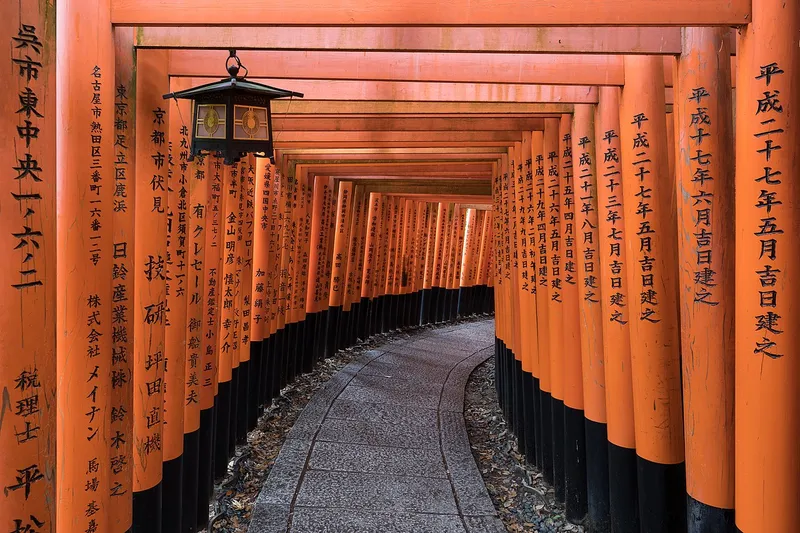
How does a blossom day fit with a Fushimi shrine visit?
A blossom walk depends heavily on natural conditions. A shrine outing has its own purpose, pace and etiquette. Give each enough attention instead of squeezing a substantial cultural visit between distant flower stops.
The Kyoto Fushimi visitor guide can help you prepare that outing. When allocating your Kyoto days, decide which visits need a generous block of time and which walks can remain flexible.
Avoid scheduling every demanding outing consecutively. Alternating longer walks with easier days leaves room for tiredness, rain or a neighbourhood you want to explore further. Agree on a shorter version of the day if travelling companions have different walking stamina.
Should you combine Kyoto with Tokyo or Hiroshima?
Additional destinations can make the holiday more varied, but choose them because you want to visit. Moving cities solely to follow a forecast adds journeys without guaranteeing better flowers.
Use the Tokyo three-day itinerary to shape a separate city stay, or consider the Hiroshima two-day itinerary when building a wider route. Check current transport arrangements before deciding how many stops fit comfortably.
Count complete sightseeing days honestly. Packing, reaching stations, navigating arrival and storing luggage all take time. Protect uninterrupted time in Kyoto so you can enjoy an outing without watching the clock for your next departure. If adding another city makes every Kyoto day feel rushed, simplify the route.
In short
Give Kyoto several opportunities to show you its spring flowers. Plan compact days, check recent local observations and keep a worthwhile alternative nearby. Book the essentials while leaving space to respond to conditions. A balanced visit makes room for blossoms, cultural visits, meals and rest without requiring every tree to flower on schedule.
Frequently asked questions
Can I book a guaranteed peak-blossom week?
No. Flowering varies between years and individual locations. Choose a broad seasonal window and include activities you would enjoy even if the trees are not at their best.
Is an early morning visit always possible?
Access depends on the site. Check arrangements for gardens and other managed attractions before leaving. Public walks may also be busy early, so keep expectations realistic.
What should I do if it rains?
Use a nearby indoor alternative and keep outdoor walking comfortable and manageable. Check opening arrangements beforehand, wear suitable footwear and allow extra time between places.
How many days should I allow in Kyoto?
Several nights offer more flexibility than a day trip. Decide using your interests, walking stamina and wider route, leaving room for rest and changes to the daily plan.
Sources and checks
- Kyoto City Official Travel GuideChecked: 15 November 2026
- Japan National Tourism OrganizationChecked: 15 November 2026
- JNTO KyotoChecked: 15 November 2026
- Japan Meteorological AgencyChecked: 15 November 2026
Itineraries are editorial suggestions for independent visits. Check current prices, opening hours and trail conditions with official providers.