At a glance
For two days in Cambridge, England, spend day one around King’s Parade, the market and the River Cam, with a booked visit to King’s College Chapel if it interests you. Use day two for the Fitzwilliam Museum and Kettle’s Yard. College grounds have individual access rules, so build your walk around public streets and confirmed visitor entrances.
A two-day Cambridge plan that leaves time for the river
Cambridge's centre is small enough to explore on foot, but the colleges can make a simple-looking map misleading. A courtyard visible through a gate may be private, and a green riverbank may belong to a college. This route uses the public centre as its backbone, adds one deliberate college visit and gives museums their own day. The time allowances below are suggested planning blocks, including pauses, rather than attraction opening hours.
Begin by deciding whether your priority is architecture, art or being on the water. If you want all three, keep each day's paid bookings limited. A chapel visit plus a punt outing makes a full first day once meals and wandering are included. Two substantial art visits can comfortably occupy the second. Cambridge also works as an unhurried short break without punting, so there is no need to buy a river trip simply to complete a checklist.
| When | Plan | Allow |
|---|---|---|
| Day 1 morning | King’s Parade, market and chapel visit | 3 hours |
| Day 1 afternoon | Public riverside route and optional punt trip | 2–3 hours |
| Day 2 morning | Fitzwilliam Museum | 2–3 hours |
| Day 2 afternoon | Kettle’s Yard or a longer walk | 2 hours |
A practical public-street route
For a clear first-day sequence, begin on King’s Parade, visit the market area, then follow Trinity Street and St John’s Street towards Bridge Street and Magdalene Bridge. This gives you college exteriors and a public river viewpoint without depending on a shortcut through college grounds. Allow about 30–45 minutes for the connecting walk with brief pauses, plus any chapel visit or punt outing. On day two, the Fitzwilliam is south of the main college streets, while Kettle’s Yard is farther north near Castle Street. Allow roughly half an hour between them at an unhurried pace, and use the city-centre stretch for lunch instead of rushing directly between admissions.
Day one morning: King’s Parade and the market streets
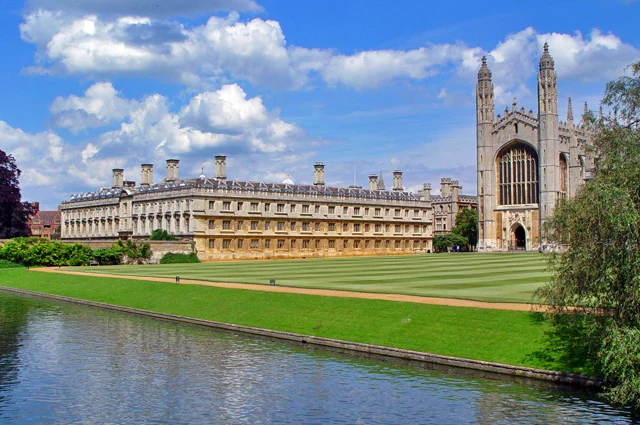
Start around King's Parade, where the chapel and neighbouring college façades establish the scale of the city. Walk the nearby streets before your reserved visit and notice how quickly a busy shopping frontage gives way to an academic gate. Leave room for the market area as well: it provides a practical place to compare lunch options and gives your morning something beyond the university buildings.
Book King's College Chapel if its architecture is a particular interest. The visitor ticket covers the chapel and its grounds, rather than unrestricted access to the college's other buildings. Inside, spend time looking upwards at the fan vaulting and at the stained glass before concentrating on individual details. The chapel remains a place of worship within a working college, so follow the visitor route and the staff's guidance about photography and quiet.
You do not need to visit several colleges to understand the city. One well-chosen interior, followed by a walk through the streets around it, is usually more satisfying than repeated entrance queues. If a particular college is important to you, check its own admissions page and fit it into the day deliberately. A general walking tour and an admission ticket may cover different things; read what is included before assuming that a tour name promises interior access.
The Backs: plan a walk around actual public access
The Backs refers to the riverside college landscape west of the central streets. It is often pictured as if a visitor could stroll continuously along every stretch of the bank. In practice, college boundaries and visitor arrangements shape where you can walk. Use public roads and signed paths, then enter grounds only where admission or public access permits. Do not follow a student through a private gate because it appears to offer a shortcut.
For a relaxed afternoon, combine the river views you can reach with a few pauses in the centre. Keep a map handy and be prepared to return to a public road between viewpoints. This is particularly useful with a pushchair or limited mobility: the shortest line on a map may involve a bridge, steps or an inaccessible gate. The goal is an enjoyable riverside circuit, not an exact reproduction of a postcard photograph.
Choose shoes for a full day of walking and standing. Even a compact city involves repeated stops at entrances and crossings. If the chapel visit has used more energy than expected, shorten the outdoor route and have a proper lunch. A second day in Cambridge gives you the freedom to leave something for tomorrow, which is one of the advantages over a quick excursion from London.
Should you book a punt trip?
A punt outing offers a different view of Cambridge's college buildings from the River Cam. Decide first whether you want a chauffeured trip or to handle a boat yourself. For a first visit with limited time, a chauffeured option can make planning simpler. Compare the departure point, stated route, trip length and whether the price is per person or for the whole boat; headline prices are difficult to compare without those details.
Keep the river portion flexible around weather. A cold or rainy outing may be less appealing than a warm café and an extended museum visit. Check the operator's cancellation arrangements before paying, and follow its advice on boarding and suitable clothing. Boat access is a separate question from whether the adjacent pavement is level, so ask about boarding assistance if anyone in the group needs it.
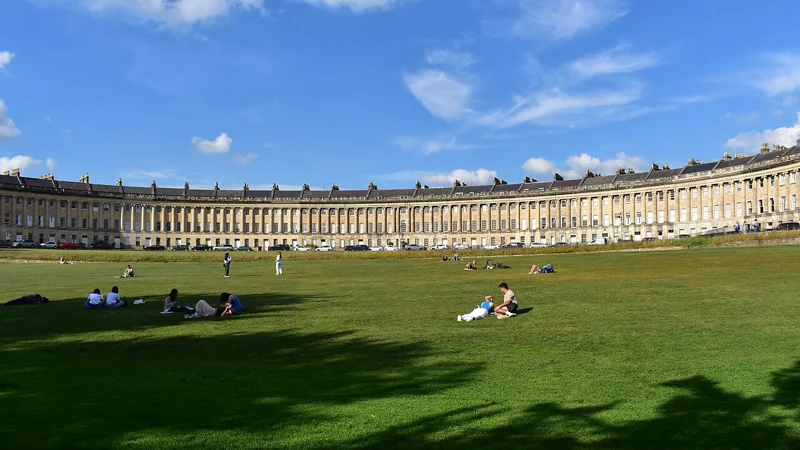
If you choose self-hire, treat learning to control the punt as part of the activity. Do not schedule a tight museum admission immediately after the return time. Equally, it is perfectly reasonable to stay on land and spend the money on the chapel or a meal. For another compact English break with a different relationship to its river, compare our two-day Bath itinerary.
Day two morning: the Fitzwilliam Museum
The Fitzwilliam Museum gives the second day a clear focus. General admission is free, although some exhibitions and events have separate booking arrangements. Plan a morning around the collections that interest you most and check the current visitor information before setting off. A museum with substantial holdings is easier to enjoy when you choose a starting point rather than trying to divide equal attention between every room.
Allow roughly two to three hours for a first visit. Read a few object labels properly, sit down when you need to and leave space for a room that surprises you. If you are visiting with children, agree on a smaller number of things to find. A short, attentive visit can work better than a long route through every gallery. Keep lunch outside the museum schedule so hunger does not decide the final half hour.
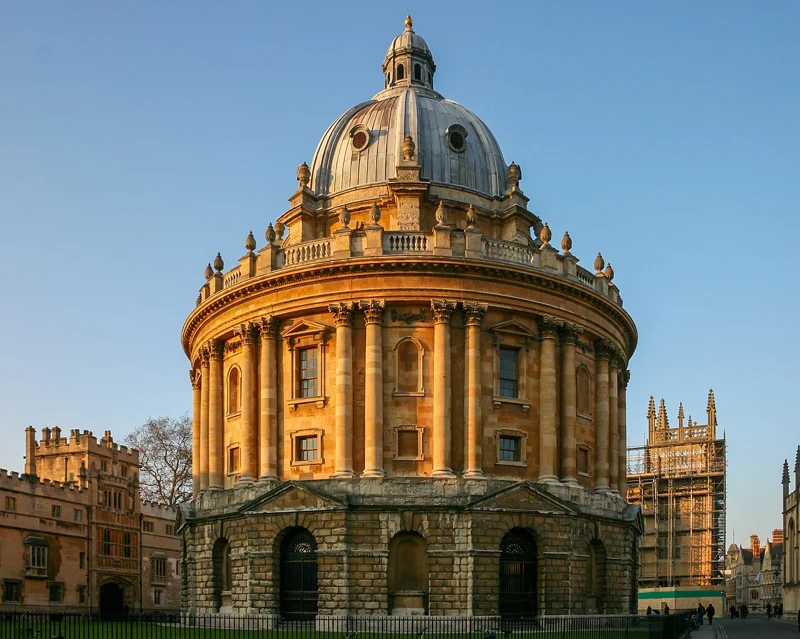
Cambridge makes a useful companion to Oxford’s libraries and Ashmolean on a longer England trip. Their museums can be the reason to visit both cities, even if university architecture looks similar in photographs. Give each city its own travel day or overnight stop rather than trying to combine the two into one rushed excursion. Our art and museums collection offers other city breaks organised around substantial cultural visits.
Day two afternoon: choose the house or galleries at Kettle’s Yard
Kettle's Yard provides a change in scale after the Fitzwilliam. Its house and exhibition galleries are distinct visitor experiences, and admission arrangements can differ. If seeing the house is your main interest, reserve the appropriate timed ticket and check the access information for that route. Do not assume that entry to a gallery exhibition also includes the house. The official booking page should make clear which spaces your chosen ticket covers.
Leave enough time to reach Kettle's Yard from your lunch stop without hurrying. You are moving to another part of central Cambridge, and a timed house visit is a poor place to arrive breathless. If the booking time leaves an awkward gap, use it for a café or a short walk rather than inserting another college ticket. The afternoon should give you time to notice the different atmosphere of a smaller collection.
Visitors who would rather stay outdoors can replace Kettle's Yard with an extended public riverside walk. Those travelling home early should keep the Fitzwilliam as the day's main visit and make the rest optional. A two-day plan is useful only if it fits your actual arrival and departure times; two nights with full days between them offers more freedom than a late arrival followed by an early train.
Arrival and where to stay without a car
Check whether your rail ticket arrives at Cambridge or Cambridge North. They are different stations, and the onward journey to the historic centre affects how much luggage you will want to carry. From Cambridge station, allow for the connection into the centre rather than expecting the main college streets to begin at the platform exit. Compare walking, local bus and taxi options against your accommodation's actual address.
A central base is convenient for returning between the river and dinner. Accommodation near the station may be useful for an early departure, but calculate the journeys to the places you plan to visit on both days. Check whether luggage storage is available before check-in and after checkout. For a short stay, avoiding two unnecessary journeys with bags can matter more than a modest difference in room price.
If Cambridge follows three days in London, book the intercity journey after deciding how much of the second afternoon you want to keep. Visitors arriving by car should choose parking in advance and explore the centre on foot or by public transport. Watch for bicycles when crossing streets and shared routes, and step aside to read a map rather than stopping in the middle of a cycle path.
Keeping the trip flexible and affordable
The Fitzwilliam's general collections, public streets and accessible river viewpoints form a strong lower-cost visit. Add King's Chapel, a punt trip or the Kettle's Yard house according to your interests and budget. You do not have to purchase every option to fill two days. Compare inclusions carefully, especially when an advertised price applies to a group, a boat or a restricted visitor route.
Before departure, recheck college admissions, museum opening days and your booked meeting points. Academic activities, worship and exhibitions can affect visitor arrangements. Keep the outdoor sections movable between the two days, and identify which booking matters most to you. That makes the plan resilient without relying on a promise that every college door will be open whenever you arrive.
Frequently asked questions
Is this Cambridge itinerary for England?
Yes. This guide covers Cambridge in England, including King’s College Chapel, the River Cam, the Fitzwilliam Museum and Kettle’s Yard. It does not cover Cambridge, Massachusetts.
Can you walk along all of the Cambridge Backs?
Do not assume there is a continuous public path along every college riverbank. Use signed public routes and check individual college access. Grounds seen from a bridge or a punt may be private or require admission.
Is punting essential on a first visit?
No. Punting gives a different view of the colleges, but a chapel visit, public riverside walk and museum time make a complete trip. Choose an outing because you want the experience, and compare the route and price basis before booking.
What should you book for two days in Cambridge?
Book the particular King’s College Chapel visit, Kettle’s Yard house slot or punt trip you want. Check current exhibition requirements at the museums. Keep public walks and meal breaks flexible around those reservations.
Sources and checks
- King’s College: your visitChecked: 23 October 2026
- Fitzwilliam Museum: plan your visitChecked: 23 October 2026
- Kettle’s Yard: plan your visitChecked: 23 October 2026
- Visit Cambridge: things to see and doChecked: 23 October 2026
- Royal Geographical Society: Cambridge centre walkChecked: 23 October 2026
Itineraries are editorial suggestions for independent visits. Check current prices, opening hours and trail conditions with official providers.