At a glance
Organise three days in London around three areas: Westminster and the South Bank, the Tower and its riverside surroundings, then one substantial museum visit with a neighbourhood afternoon. Use public transport between areas rather than trying to walk across the whole centre. Reserve the paid attraction you most want, and keep the rest selective. Contactless travellers should use the same card or device consistently for their journeys.
London's scale should shape the itinerary
London can make a list of attractions look deceptively simple. Westminster, the Tower, a major museum and an evening show may all belong to a first visit, but they are not one compact walking route. Visit London's official first-time guidance highlights the royal and historic landmarks alongside neighbourhood and cultural experiences. Group the places geographically before deciding the order, so travel does not use the time you hoped to spend visiting.
This itinerary gives each day a different anchor. The first introduces the political and riverfront skyline, the second focuses on a historic site, and the third centres on a collection. You can change the order to suit bookings and the weather. It assumes three full city days after arrival. A late flight or a distant airport can reduce usable time considerably, so keep an arrival evening lighter than a proper sightseeing day.
| Day | Main area | Suggested anchor | Flexible continuation |
|---|---|---|---|
| One | Westminster and South Bank | Landmark exteriors or one booked interior | A shorter riverside walk and meal |
| Two | Tower area | Tower of London or another chosen visit | Nearby riverfront and Tower Bridge exterior |
| Three | Museum and chosen neighbourhood | British Museum or a collection that interests you | Covent Garden or a suitable local walk |
Day one: Westminster with a clear choice
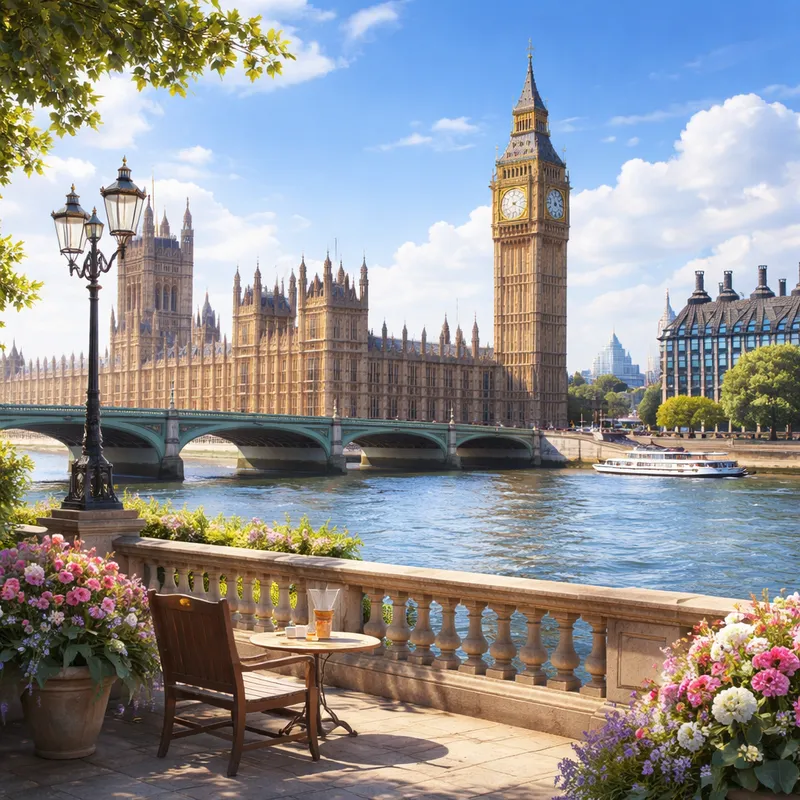
Start with Westminster, deciding whether you want an exterior introduction or a particular interior visit. The official tourism guidance lists Westminster Abbey and nearby royal landmarks among first-visit possibilities. A church visit, parliamentary visit and a look at the skyline have separate access and booking arrangements. Choose one interior if it matters to you and leave the surrounding walk flexible, rather than treating every famous building as an automatic entry.
Allow time for the actual arrival instructions on your booking. A correct neighbourhood does not mean you have reached the specified entrance, and entry procedures can affect the rest of the morning. If your visit is mainly outdoors, use a small group of viewpoints and a sensible endpoint for lunch. You can appreciate the architecture without crossing the same bridge repeatedly to reproduce every angle seen online.
Keep expectations clear about royal ceremonies and programmes. An exterior palace stop does not guarantee a particular event will take place while you are there. Check official scheduling separately if an event is important, and arrange the day around the confirmed information. Otherwise treat it as an optional possibility. A route that still works without a ceremony is more dependable than one whose success rests on an assumed timetable.
Give the South Bank its own afternoon
Continue to a manageable section of the South Bank after a proper meal. Visit London's itinerary describes the area as a focus for culture and riverside exploration. Choose where you want to finish before starting, then leave time for an exhibition, a café or simply the water. A riverside walk can provide a satisfying afternoon without requiring every ticketed attraction along it.
If you want a viewing attraction, performance or boat journey, compare its exact product and booking conditions. A timed admission, a river bus and a sightseeing cruise are different services, even when their routes or promotional photographs overlap. Check the departure point and the actual final stop before choosing a boat as transport. Do not assume every river product is covered by ordinary city fare arrangements.
For travellers combining European capitals, our Paris three-day itinerary also uses a river as an introduction while giving major collections their own day. Keep the transfer between cities outside both sightseeing schedules. Arriving in a new city and reaching your accommodation can consume a substantial part of the day even when the main train or flight journey looks short.
Day two: choose a historic visit around the Tower
Make the Tower area a separate day rather than attaching it to the end of Westminster. If you choose the Tower of London, read the official visit and ticket information before booking. Allow the time you want inside, including entry procedures and any part of the route particularly important to you. An exterior photograph of the fortifications is a different experience from admission to the historic site.
After the main visit, have lunch before continuing along a shorter nearby riverfront section. Tower Bridge can be an exterior stop or an independently arranged interior experience; confirm which you want. A bridge photograph does not require a separate admission, while a paid exhibition has its own conditions. Select the option that adds something distinct to your day, rather than buying another ticket because it is close.
Avoid adding a distant museum to this afternoon unless it is your main reason for shortening the morning. Cross-city travel, entry times and fatigue make that combination less flexible. A local walk and an unhurried meal can complement the historic site better than another large collection. Check the route home before the evening, especially if you have booked a performance whose venue is in a different part of London.
Day three: one museum with a focused route
Choose a major museum according to the collection that interests you. The British Museum's official visitor page describes free admission to the permanent collection and recommends advance booking, while special exhibitions can have different ticket arrangements. Free entry does not establish that every exhibition is included or every gallery will be open. Check the current visitor information and decide what you want to see before arrival.
Build a focused route instead of attempting every room. Select a few themes, objects or galleries that fit your interests, and leave time to look closely and read interpretation. A museum visit can be meaningful without occupying the whole day, but it should not be reduced to a quick photograph of the entrance hall. If members of the group have different interests, agree on a meeting point and a comfortable visit length.
Keep the afternoon geographically sensible. A Covent Garden section or another nearby neighbourhood can provide a different pace after the collection. Choose it according to your actual exit point and evening plans, not because it appears in every first-time list. Our Edinburgh two-day guide offers a smaller city comparison with a substantial national museum and historic streets, useful when deciding where to spend more time on a longer British trip.
Contactless transport: consistency matters
Transport for London's fare guidance says to use the same card or device when touching in and out. A physical bank card, a phone and a watch can be treated as separate payment devices even when linked to the same account. Keep one method for your journeys if you want the relevant capping arrangements to work consistently. Also separate cards when tapping, so another card is not accidentally read.
Check the rules for the transport you are using. Rail journeys, buses, river services and airport routes can have different payment or fare arrangements. Consult the current journey and fare information for your actual start and destination, especially for the airport. A general statement about contactless travel in London should not be used to infer that every service uses the same ticket or is included in the same cap.
Do not drive between these central sightseeing areas merely to avoid understanding the transport system. Compare public transport and walking using your accommodation's real location and any access needs. Check step-free routes at the particular stations you intend to use rather than assuming every station with the same line colour has identical access. A slightly longer suitable connection may work better than the shortest route on a map.
Where to stay and what to budget
Compare accommodation using the door-to-door journeys for all three days, including the final walk from a station. A room near one landmark may be less useful for the rest of the itinerary than a well-connected property elsewhere. Check lift and luggage arrangements and the return after an evening activity. The accommodation choice should support the whole stay rather than one attractive view.
Build your budget from accommodation, arrival travel, city transport, selected paid visits and meals. Keep shows and special exhibitions separate. A sightseeing pass should be compared against your actual shortlist, including reservation conditions and exclusions. Browse our travel planning collection for more short-stay ideas. In London, reducing unnecessary cross-city journeys often improves the trip as much as reducing the number of paid attractions.
Frequently asked questions
Is three days enough for a first London visit?
Three full days can introduce Westminster, a riverfront area, one historic attraction and a major collection. They will not cover every museum, royal site and day trip. Group the sights by area and keep one main booking per day. If flights shorten the stay, remove an optional interior rather than trying to compress the same plan.
Should I use the same contactless card for all travel?
TfL advises using the same card or device for touching in and out and for consistent fare capping. A phone, watch and physical card can count as different devices even when linked to the same account. Choose one payment method and check the applicable service's rules. Airport and river services may have arrangements different from ordinary central journeys.
Is the British Museum free?
Its official visitor information describes free entry to the permanent collection and recommends booking in advance. Special exhibitions and some other experiences can have separate arrangements. Check what your selected booking includes and the current gallery information before visiting. A free admission policy does not guarantee that every exhibition or room is available without an additional ticket.
Can I walk this entire London itinerary?
Walking works well within each daily area, but the three areas are not intended as one continuous citywide walk. Use appropriate transport between them and assess routes according to your mobility and starting point. Check individual station access if needed. Keeping neighbourhood walks separate preserves time for the places you came to visit rather than spending it all in transit on foot.
Sources and checks
- Visit London: first-time visitor guidanceChecked: 7 October 2026
- Visit London: first-visit areas and South BankChecked: 7 October 2026
- Transport for London: same-card fares and validationChecked: 7 October 2026
- British Museum: free collection entry and booking guidanceChecked: 7 October 2026
Itineraries are editorial suggestions for independent visits. Check current prices, opening hours and trail conditions with official providers.