At a glance
Spend three days in Athens with the Acropolis as one main visit, the Acropolis Museum as a separate experience and time for Plaka, Monastiraki and contemporary neighbourhood streets. Group activities around the centre and choose additional archaeological sites selectively. Site and museum admissions are distinct. In warm weather, put exposed walking in a more comfortable part of the day and leave room to rearrange the route.
Separate the ancient site from the museum
A first Athens itinerary often begins with the Acropolis, but the hilltop archaeological site and the Acropolis Museum solve different interests. One lets you encounter the setting and surviving monuments; the other supports a more detailed indoor understanding of objects and their context. Plan them as separate visits with their own admission arrangements. Do not assume a ticket labelled with one includes the other.
Three full days give room for both, plus neighbourhood time. They also make it possible to avoid placing every ancient site on the same tiring afternoon. Choose one main priority for each day and use the streets between activities to understand the city around the monuments. Athens is a living capital, so a useful first visit includes more than a sequence of archaeological entrances.
Day one: the Acropolis as the main anchor
Build the first day around a confirmed Acropolis visit if the site is your priority. Check the current official ticket product, date and entry instructions before setting the order. This guide does not assume that old combination-ticket rules or previously quoted prices still apply. The product you buy for your own dates should determine the practical plan.
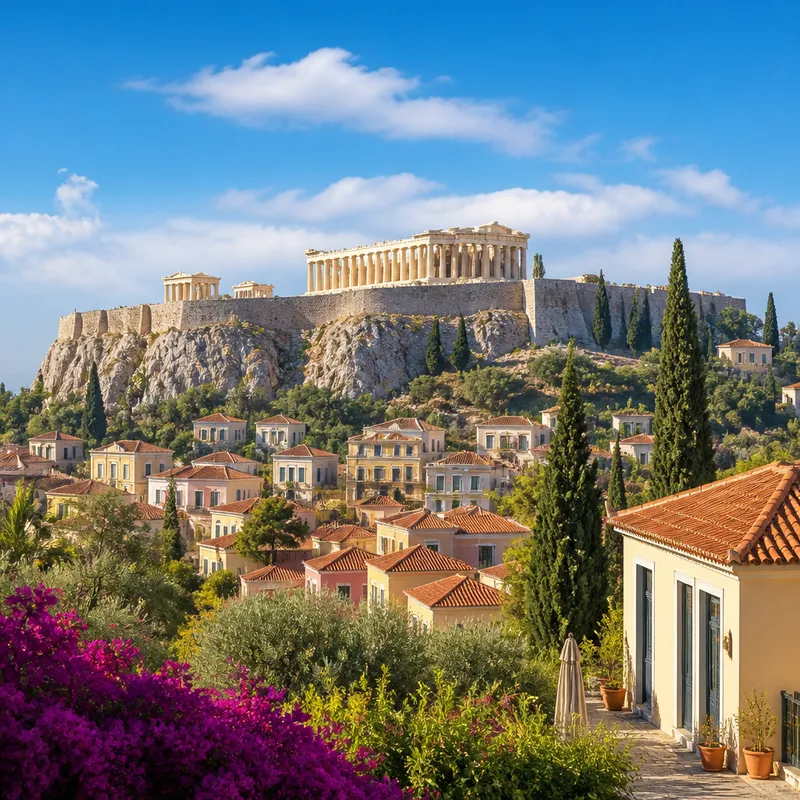
Allow time and energy for the approach and movement around the site. An impressive hilltop photograph does not show the ground conditions, exposure or accessibility route. Check the arrangements directly if mobility is important, and choose footwear suited to the actual terrain. Keep the programme flexible in uncomfortable weather; completing an itinerary is less important than choosing a pace appropriate to the group.
Afterwards, make lunch and a gentler walk the next activities. The streets below the hill can provide a different scale after the monument visit. Avoid attaching several more ancient sites simply because they are visible on the same map. A pause helps you absorb what you have seen and gives the afternoon a more comfortable rhythm.
Our Rome itinerary also separates a major ancient-site day from other parts of the city. A trip linking the two capitals can be culturally rich, but plan each site's entry and walking demands independently. A familiar interest in antiquity does not make every archaeological visit require the same practical preparation.
Before leaving your accommodation, save the entrance specified by the admission you actually hold. Dionysiou Areopagitou is a useful named pedestrian approach below the Acropolis and beside the museum area, but the archaeological site and museum have different entry arrangements. After the site, descend to a planned lunch rather than adding another exposed archaeological circuit immediately. A ticketed time and a convenient nearby street do not establish that the whole route suits every mobility need.
Plaka and the streets below the hill
Use Plaka as a neighbourhood walk rather than an additional checklist of entrances. Choose a connected route through its lanes and squares, with room to stop at architecture or a place that interests you. The appeal is partly in the changing relationship between the streets and views towards the hill. Consult the map from a place where you are not blocking a narrow passage.
If you continue towards Anafiotika, respect residential spaces and keep to appropriate public routes. Small neighbourhood streets are not a photographic set requiring access to private doorways. A shorter walk can be sufficient, especially after the Acropolis visit. The rest of the afternoon can be a café, a researched exhibition or time near the hotel if the group needs a break.
Plan dinner according to current menus, seating and opening hours. A view is one possible priority, but it need not outweigh food requirements, comfort or price. This guide does not claim personal testing of a rooftop venue or taverna. Choose a meal that suits your party rather than relying on a general promise that every restaurant in a historic area offers the same experience.
For a compact Plaka continuation, use the Lysicrates monument area and a selected stretch of Adrianou as named references, then choose a route toward Monastiraki if that is your intended finish. The official Plaka guide explains the neighbourhood’s lanes and approaches around the Acropolis. Anafiotika is a separate steeper extension, not an automatic part of an easy street-level walk. Choose it only after assessing the actual path and respect the residential setting.
Day two: the Acropolis Museum with time to look
Make the museum the second day's main indoor block. Its official e-ticket service issues individual admissions for a specified date and entry time. Follow the confirmation and current visitor information for your product. The museum explicitly distinguishes its ticket from admission to the archaeological site, so budget and book with that separation in mind.
Approach the collection with a few questions you want to explore. You may be interested in sculpture, daily life, the changing treatment of surviving objects or the relationship between the museum and the hill. A focused visit allows time to read and observe. Do not measure the experience only by how quickly you can move through the building or locate its best-known objects.
After lunch, choose a connected outdoor route or one additional cultural interest. This is a good place for a shorter visit around central squares if the museum has taken much of the morning. If your party is strongly interested in archaeology, a second site should replace part of the afternoon programme. Check its own current access arrangements instead of assuming the museum ticket provides a general city entitlement.
Day three: Monastiraki and the contemporary city
Use the final day for Monastiraki and a selected neighbourhood programme. A street-market or shopping area can offer enjoyable browsing, but businesses have their own hours and product quality varies. Decide whether you are mainly walking, shopping or looking for a meal. That purpose helps you choose how long to remain rather than following every saved recommendation.
Continue into a connected area such as Psyrri if it matches your interests, or choose a different researched district for the afternoon. Athens' contemporary food, street life and cultural spaces deserve attention in their own right. They should not be presented merely as the gaps between ancient monuments. Give one area a meaningful block and identify the journey back before an evening commitment.
For an art-focused traveller, the third day can instead hold another selected collection. For someone who prefers outdoors, choose a walk whose distance and terrain you understand. Viewpoints can be appealing, but assess the ascent and return as well as the photograph from the top. This plan does not require climbing every hill or booking another site to count as a complete first visit.
Our Istanbul itinerary offers a different three-day mix of heritage and contemporary districts. Compare what you want from each city before assigning the same number of monument visits to every day in a larger journey.
Choose a defined route from Monastiraki toward Thissio, using Apostolou Pavlou as the pedestrian-area reference, then decide whether Petralona or a shorter centre return is your afternoon. The official Athens guide identifies the Thissio promenade and the relationship with Philopappos. A hill viewpoint adds ascent and conditions to assess; it should not be concealed inside the timing of the lower street walk.
Three days with separate admission decisions
Use the table to protect the time for each main experience. The flexible blocks allow meals, reading time and ordinary city movement. If you only have two full days, keep the Acropolis and museum as distinct priorities and shorten the neighbourhood programme. An excursion outside Athens requires a separate decision about what part of the city visit you are willing to replace.
| Day | Main anchor | Nearby programme | Important distinction |
|---|---|---|---|
| One | Acropolis site | Plaka and a relaxed meal | Site ticket and current entry rules |
| Two | Acropolis Museum | Selected central walk | Separate museum admission |
| Three | Monastiraki and one neighbourhood | Food, browsing or another collection | A flexible city day, not a compulsory excursion |
Where to stay and how to pace the walking
Compare accommodation by the actual street, the nearest useful connection and the route to your main visits. A central location can simplify this itinerary, but inspect access with luggage and the surrounding evening environment. Quiet sleep, proximity to nightlife and quick airport access may point to different choices. Select the base that suits your own priorities rather than a district name alone.
In warmer weather, give the exposed blocks a comfortable time and protect breaks. Carry water, check current local guidance and adapt the day if conditions demand it. Public transport can help with longer connections; verify the ticket for the specific journey instead of assuming an urban product covers every airport option. Save the hotel address and important confirmations offline.
Budget and the last checks
List the selected admissions before comparing any pass or combination. Do not calculate a saving from sites you do not have time or interest to visit. Outdoor neighbourhood walks can balance paid cultural days without making the trip less substantial. Browse our culture and history collection for other city routes that organise major visits around a clear interest.
Official Athens Guide and Acropolis Museum information was checked on 8 October 2026. Confirm the current site ticket and entry arrangements, museum slot and any additional venue calendar for your dates. This route is an editorial first-visit plan, not a timed tour or evidence of firsthand experience. Keeping the archaeological site, museum and neighbourhood days distinct gives each a useful purpose.
Three days with one actual priority each
Keep the Acropolis visit, the museum collection and the Monastiraki–Thissio route as different experiences. Give the museum a substantial indoor block, then choose a shorter nearby walk rather than a second major collection. For the outdoor blocks, roughly two to three hours with pauses is an editorial allowance, excluding admissions and a long lunch. The actual route, heat and group determine how much walking is comfortable.
If you have only two days, keep the archaeological site and the museum or neighbourhood you most want, then reduce the third-day programme explicitly. A Sounion or other excursion needs its own transport and return arrangements. The admission systems and entrances matter more than a broad combined-attractions claim, so compare your selected products directly before buying a pass.
Frequently asked questions
Is three days enough for Athens?
Three full days allow the Acropolis, a separate museum visit and neighbourhood time. Add days for several further collections or excursions beyond the city.
Does an Acropolis Museum ticket include the Acropolis site?
No. Treat the museum and archaeological site as separate admissions and check the current official product for each.
Should I visit every ancient site in the same day?
Choose selectively. A major site visit, exposed walking and additional entrances can become tiring, so give your priorities their own blocks and replace optional activities rather than continually adding them.
Is the third day best used for a day trip?
This itinerary gives it to the contemporary city. An excursion is an alternative requiring its own planning and the decision to reduce neighbourhood time, or to add another day.
Sources and checks
- Official Athens Guide: 48-hour city routeChecked: 8 October 2026
- Acropolis Museum: individual dated ticketsChecked: 8 October 2026
- Acropolis Museum: site and museum ticket distinctionChecked: 8 October 2026
- Official Athens Guide — Plaka approachesChecked: 8 October 2026
- Official Athens Guide — Thissio and PetralonaChecked: 8 October 2026
- Official Athens Guide — Apostolou PavlouChecked: 8 October 2026
Itineraries are editorial suggestions for independent visits. Check current prices, opening hours and trail conditions with official providers.