At a glance
Spend the first day around Antwerp’s historic centre, cathedral area and the Scheldt. Use the second for a substantial art visit at KMSKA and a different neighbourhood, with the current Rubenshuis garden and experience as an optional alternative. Two full days suit a first visit when you choose your main museum carefully. The historic Rubens residence is closed for renovation, so older descriptions of a complete house tour do not match the current visitor offer.
Decide which Antwerp you want to spend time with
Antwerp offers a useful contrast between a compact old centre and art spaces that reward a slower visit. The central square is easy to include in a walking loop, but KMSKA deserves a dedicated block. Start planning with that distinction. Visitors primarily interested in painting can give the museum most of their second morning; those more interested in streets and design can reduce indoor time without losing the shape of the itinerary.
Check accommodation against both the railway arrival point and the places you plan to walk. The impressive station area can be convenient for a train arrival, while a base closer to the historic centre reduces the walk home after dinner there. Neither description guarantees a quiet room. Read the property’s location carefully and allow luggage drop-off time before the first day begins. The route assumes two full days, not a late arrival followed by an early departure.
| Day | Main area | Anchor | Optional alternative |
|---|---|---|---|
| One | Historic centre and Scheldt | Cathedral area and river walk | A selected central interior |
| Two | Zuid and the museum district | KMSKA art visit | Rubenshuis garden and experience |
Day one: the old centre at walking pace
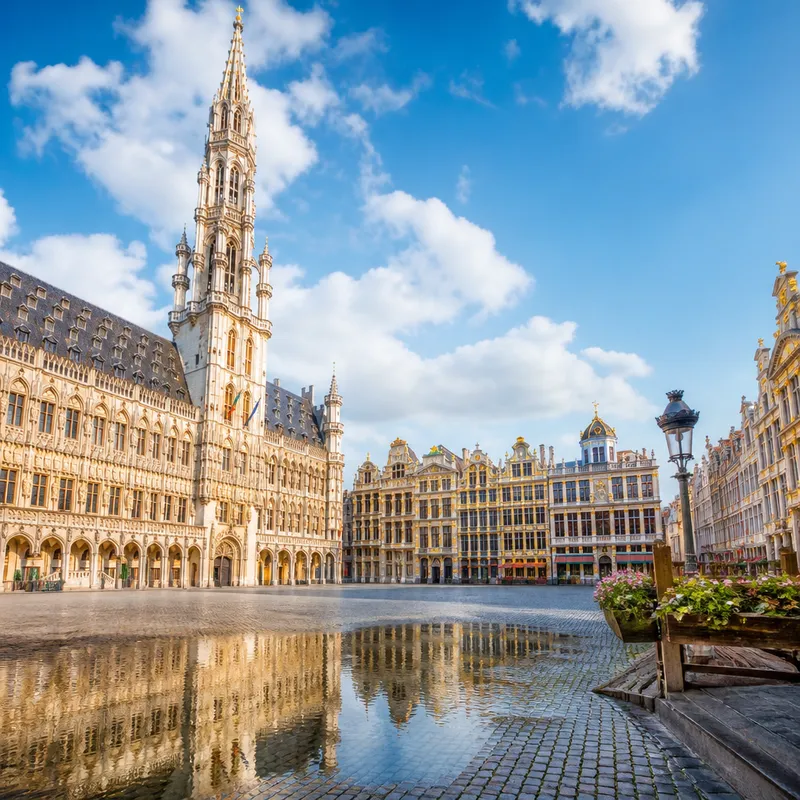
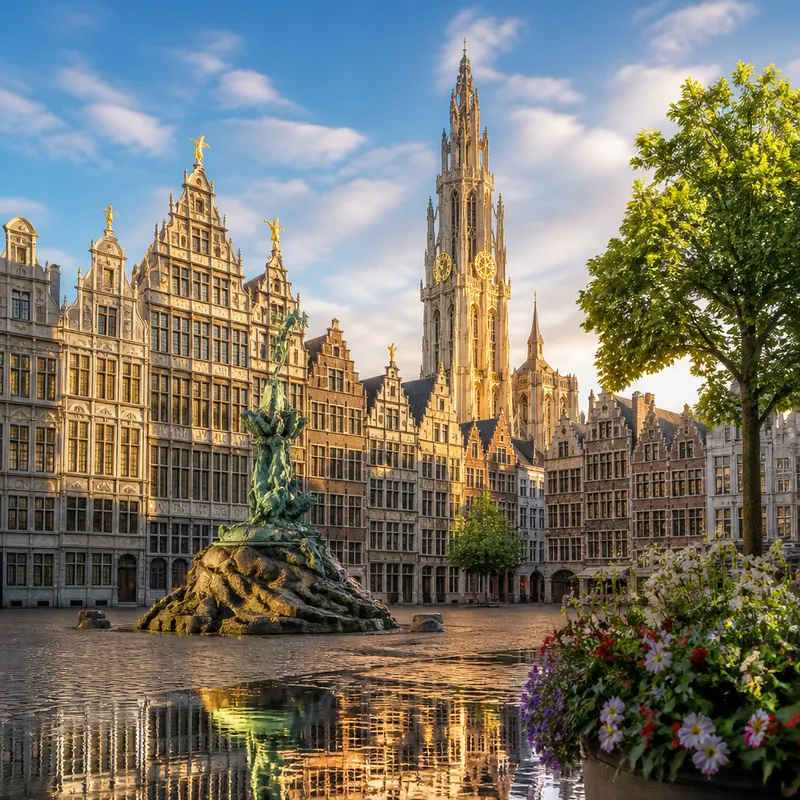
Begin at Grote Markt, continue toward the cathedral and Groenplaats, then return toward the Scheldt via Suikerrui. This gives the first morning a named loop rather than an instruction to wander somewhere central. If you want to visit the cathedral interior, make that the fixed cultural stop before the river. If not, use the square and surrounding streets for the architectural introduction and keep your substantial indoor time for KMSKA on day two.
Continue towards the cathedral area. Decide whether you want a cultural interior visit before treating entry as part of the route. This is a functioning church, so visitor access and worship can follow different arrangements. Check the current calendar and ticket conditions, then give an interior visit enough time to be meaningful. If you prefer an outdoor morning, the surrounding streets still make a coherent continuation of the walk.
Keep lunch in the centre rather than interrupting the day with a journey to a distant restaurant. Compare menus and choose a place with a suitable opening time. A seated meal is especially helpful if your morning included standing inside a church or museum. Afterwards, use the lanes between the historic centre and the river as a short exploration block. A few well-chosen streets tell you more than a hurried circuit of every shopping district.
The Scheldt changes the scale of the afternoon
Use Het Steen as the named riverfront destination from Suikerrui. After looking at the river, choose a short public-quay continuation rather than an undefined walk into port facilities. The tourism board’s walking map locates Het Steen, Suikerrui, Grote Markt and the central street network together. Follow current diversions around works on the ground. A marked sightseeing route on an older map supports orientation, but it does not establish that every business on it still operates.
Choose how far to continue according to the weather and your energy. Wind and rain can make a modest river loop more sensible than a long exposed walk. If the afternoon is clear, pause rather than rushing immediately to another interior. If you want an additional cultural stop, choose one that fits the direction you are already travelling. Leave the museum with enough time to return calmly for dinner.
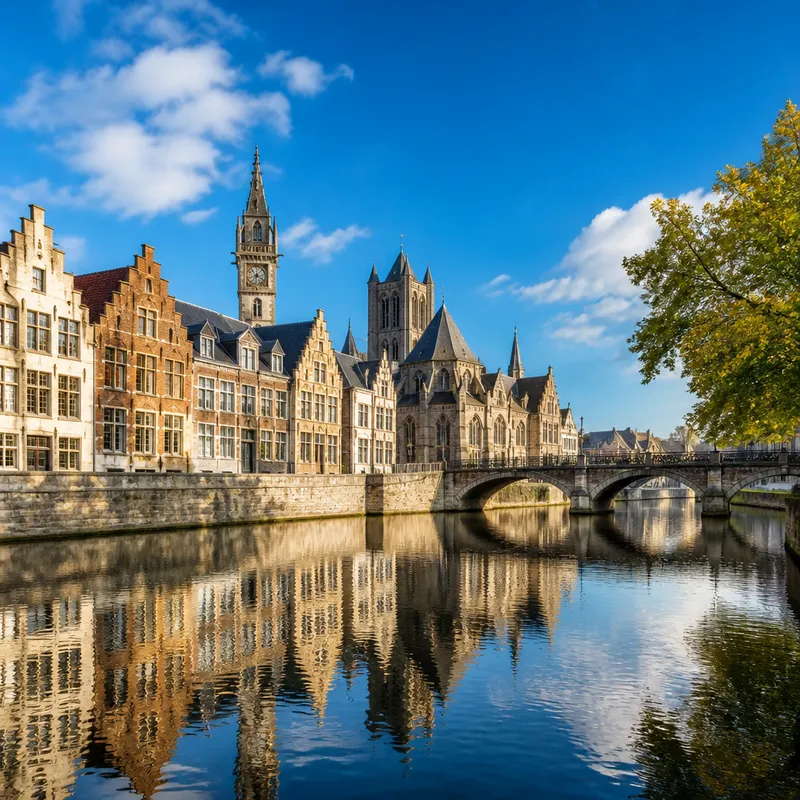
For a second Belgian stay, our Ghent itinerary offers a different riverfront and art experience. It is a separate destination plan rather than an extra section of this Antwerp afternoon. Combining cities works best when each receives a realistic allocation of nights and transport time, especially if your principal reason for travelling is to enjoy art without rushing.
Day two: make KMSKA a substantial visit
Use the second morning for KMSKA, the Royal Museum of Fine Arts Antwerp, if painting and sculpture are priorities. The museum’s own planning information describes daily opening with exceptions and offers practical accessibility details. Check the exact date and your chosen ticket rather than assuming every late-opening programme operates during holidays. Book the relevant entry slot if required, including when you hold an admission pass.
Choose a manageable approach to the galleries. You can focus on a period, a few rooms or a selection of works that interest you, then leave time to revisit what stood out. Seeing a museum well does not require covering every room equally. Avoid reserving another major interior immediately after this visit. A longer-than-expected gallery session should feel like a successful morning rather than a timetable failure.
Keep the afternoon around Zuid after KMSKA. Use Leopold de Waelplaats as the museum-side anchor and choose a compact continuation toward the Vlaamsekaai and Waalsekaai area, with lunch before a longer stroll. The official city walking map also places Kloosterstraat and Nationalestraat in the connection between the old centre and Zuid. Choose one direction according to your return rather than walking both simply because they appear on the map.
Understand the current Rubenshuis offer
Rubenshuis is an alternative or additional choice for visitors with a particular interest in Rubens. Its historic artist’s residence is closed for renovation. The current public offer includes the garden and Rubens Experience, while other functions have separate arrangements. Do not buy a ticket expecting access to the entire historic home shown in older travel photographs. Read the live description of the spaces that are actually open.
Plan this visit using its own calendar: opening arrangements differ from KMSKA, and a museum that opens daily does not establish the schedule of another attraction. If you choose both, keep one as the substantial block and the other as a shorter, clearly defined visit. Travellers with only a partial second day should choose the attraction they most want to understand rather than paying for two visits and hurrying through both.
Avoid building the route around an assumed reopening year for the artist’s residence. Restoration timetables can change, and the current garden and experience are sufficient to decide whether the visit suits your interests now. Save the ticket description with your booking. That gives you a clear record of what you purchased and makes it easier to adjust the itinerary if an operator announces a temporary change.
Food, transport and a useful budget
Allocate spending to accommodation and your selected cultural entries before considering a sightseeing pass. The central squares, riverfront and neighbourhood walks provide much of this itinerary without admission costs. A pass is worthwhile only when its included attractions match your actual route and remain available on your travel days. Do not add a museum solely to justify a pass that already stretches the schedule.
Walking works well inside each area, while local transport can connect the station, accommodation and museum district when appropriate. Check the current route and ticket rules for the journey you will take. A car adds parking decisions and possible access restrictions that are unnecessary for this short city stay. If you are arriving by road as part of a wider trip, arrange the hotel’s access and parking before entering the centre.
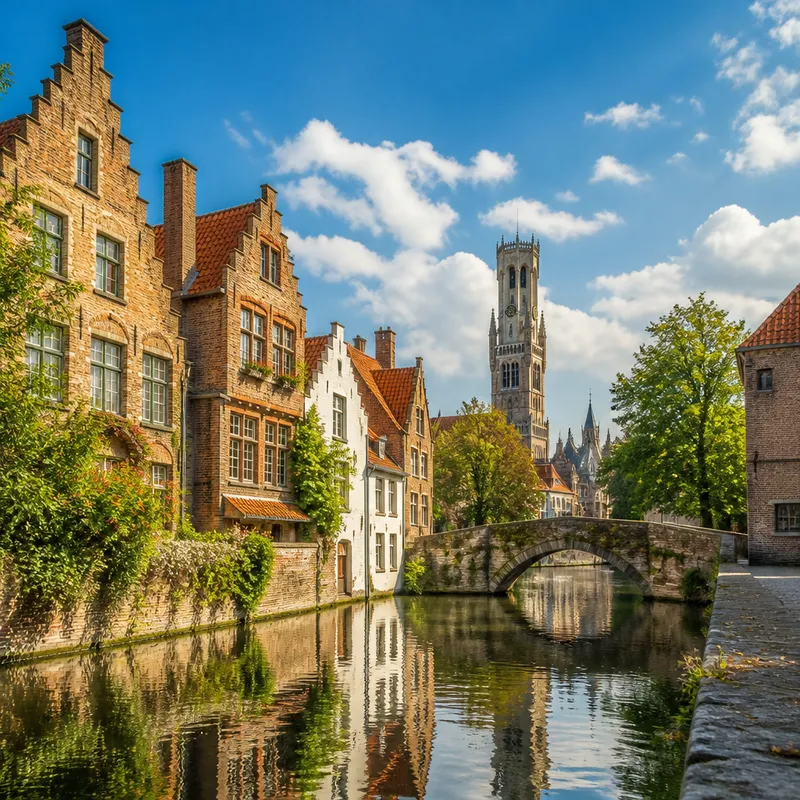
For another architecture-focused Belgian visit, the Bruges itinerary is a useful companion. Our culture and history guides also help you compare destinations by the experience you want, rather than by how many famous names can fit on one map.
Adjust the route to weather and departure time
In rain, keep the main indoor visit and shorten the riverfront. In clear weather, spend longer outdoors rather than automatically adding a second museum. If your departure falls on the second afternoon, place luggage collection and the trip to the station after one focused morning. Avoid finishing with a distant optional stop that makes you hurry through the art you came to see. Antwerp is well suited to a return visit for the attractions you leave for later.
Station arrival, art time and the choice to skip Rubenshuis
If arriving by train at Antwerpen-Centraal, save the actual journey to your accommodation first. For an outdoor city approach after leaving luggage, use Meir as a recognizable corridor toward the old centre and check the connecting streets on a current map. Do not add a full station-area shopping programme to a morning already anchored by a cathedral visit. Allow roughly two to three hours for the selected central streets, with the riverfront and lunch as a separate block.
Give KMSKA a substantial morning for the collection you want to see; the fact that another art attraction is open does not make it an essential second appointment. Rubenshuis currently offers the garden and Rubens Experience while the historic residence is renovated. Choose it as a specific alternative, with its own entrance and calendar, rather than promising the house rooms shown in old photographs. Our time allowances are editorial estimates, not operator tour durations.
Frequently asked questions
Is two days enough for a first Antwerp visit?
Two full days cover the historic centre, Scheldt and one substantial art visit comfortably. Add time if you want several museums or a detailed exploration of the wider port area.
Can I tour Rubens’ historic house now?
The historic residence is closed for renovation. Check the current Rubenshuis offer for the garden and Rubens Experience rather than expecting a complete tour of the artist’s home.
Do I need to spend a whole day at KMSKA?
Reserve a substantial morning or afternoon and choose the galleries that interest you most. You can combine the visit with a meal and a nearby Zuid walk without rushing through another major museum.
Should I hire a car for Antwerp?
A car is unnecessary for this two-day city route. Walk within the main areas and use appropriate local transport for longer connections, checking your arrival and departure station separately.
Sources and checks
- Rubenshuis: current visitor offerChecked: 8 October 2026
- KMSKA: plan a visitChecked: 8 October 2026
- KMSKA: opening and ticketsChecked: 8 October 2026
- Visit Antwerp — centre and Zuid walking mapChecked: 8 October 2026
Itineraries are editorial suggestions for independent visits. Check current prices, opening hours and trail conditions with official providers.