At a glance
Use three days in Stockholm for Gamla Stan and the central waterfront, Djurgården with one selected museum, then a slower neighbourhood programme. Vasa Museum is a strong option for a focused cultural block, but a prepaid ticket does not give priority over its entrance queue. Keep water journeys optional and check their actual routes. The city is best explored as connected island-based days rather than one continuous walk.
Make the islands work for your route
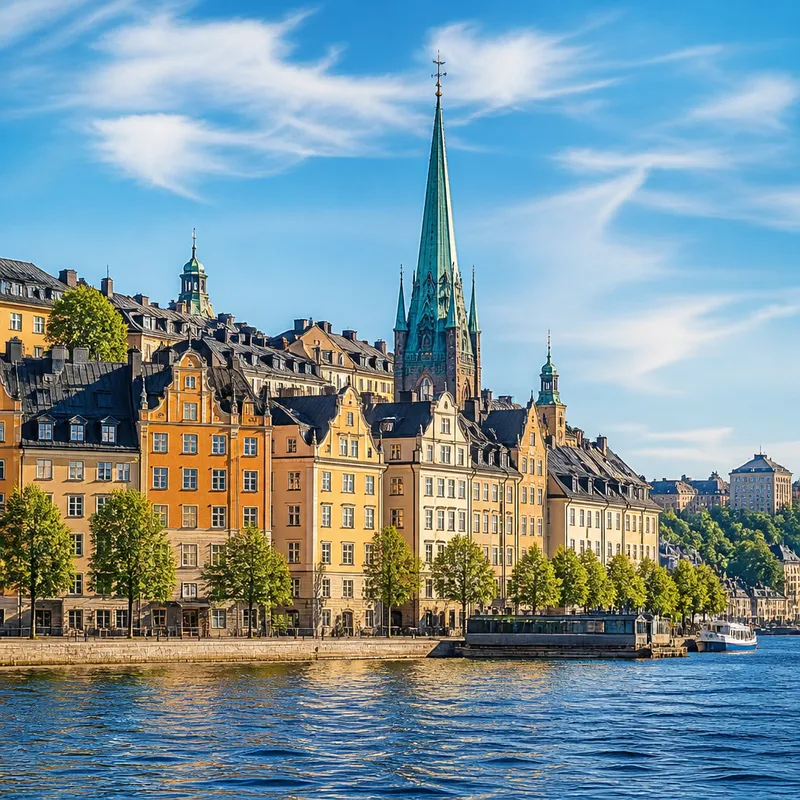
Stockholm's water gives the city much of its appeal, but it also shapes how a useful itinerary should be organised. Choose one main area each day and make bridge crossings or transport journeys purposeful. A map with attractions on several islands can look manageable while disguising repeated transfers. The three-day structure below keeps the old town, Djurgården and a neighbourhood afternoon distinct.
Decide which indoor experience matters most before adding museums. A historic ship, Nordic cultural history and other specialist collections offer different kinds of visit. Being located in the same broad area does not make several complete museums an easy afternoon. Pick the one that interests you most, then use its surroundings for an outdoor change of pace.
Day one: Gamla Stan and the central waterfront
Begin with a connected walk through Gamla Stan, using its streets and squares to get your bearings. Look at the building details and changing scale of the lanes rather than trying to follow every saved recommendation. The old town is also used by residents, workers and businesses, so pause where you do not block entrances or narrow passages.
Choose one interior if it is part of your priorities. A palace, church or museum should be selected for what it offers and checked for current visitor access. You can also make the morning mainly an outdoor route. A first day does not need several admissions to feel substantial; getting comfortable with the city and its geography can be a useful achievement in itself.
Continue towards the waterfront after a meal. Choose a loop that ends conveniently for your accommodation or evening plans instead of crossing repeatedly for isolated viewpoints. Water and architecture can be enjoyed from a public walk without booking a boat. If you want a sightseeing service, compare its route and format before treating it as the natural continuation of the morning.
For another Nordic city built around water and cultural stops, our Copenhagen itinerary offers a shorter programme. Give each destination its own arrival and movement plan if linking them, rather than assuming a transfer day leaves the same sightseeing time as a complete day in the city.
Use Stortorget as the main square anchor, then connect a few Gamla Stan streets with the palace-side waterfront before choosing the return. A longer Riddarholmen extension is optional rather than an assumed part of every Old Town loop. Visit Stockholm places these areas within the wider historic setting. Decide whether a palace, church or Nobel Prize Museum interior is your actual cultural priority before allowing all of them to compete with the street walk.
Day two: Djurgården with a chosen museum
Make Djurgården the second day's main setting. The island contains a concentration of visitor attractions, but that variety is a reason to choose, not a reason to enter all of them. Decide whether your main interest is Vasa, another collection or a longer green-space programme. Check current calendars and the specific product for the attraction you select.
At Vasa Museum, a prepaid ticket does not guarantee priority in the entrance queue under the official information checked on 8 October 2026. Allow room around the arrival rather than scheduling the next timed attraction closely afterwards. Buying beforehand and bypassing a queue are different claims, and the second should not be inferred from the first.
The museum also has practical conditions that matter to comfort. Its information restricts large bags and describes a cool indoor environment, so read current baggage instructions and consider a light layer. Give the ship and its context attention rather than measuring the visit only by the first impressive view. A focused cultural visit can occupy the morning meaningfully without requiring another large collection straight afterwards.
For a Vasa-focused morning, save the museum’s actual entrance and the current approach from your chosen tram, bus or ferry. The institution’s getting-here information is more useful than a general pin for the island. A water arrival and a land approach can have different ticket arrangements. After the collection, choose the nearby outdoor continuation according to your exit and a planned meal, not a list of every attraction on Djurgården.
Let Djurgården provide a slower afternoon
After the museum, use Djurgården's surrounding green spaces and paths for a different rhythm. Choose the length according to weather and the group. A meal or café can form the next anchor, with an optional short walk afterwards. This keeps the day connected to its setting instead of converting every available hour into another attraction reservation.
If a second museum is genuinely important, replace a substantial part of the outdoor block. Check its location and programme separately. An attraction combination may be financially useful for the right visitor, but a discount is not a reason to exceed the time and attention you have. Families may prefer a more varied afternoon; a specialist enthusiast may happily spend most of the day indoors.
Transport to and from Djurgården should be chosen for the actual starting point. Vasa's official information lists several public-transport approaches, but the most convenient route depends on your accommodation and the day's service. Check current stops and conditions rather than copying a line number as an eternal instruction. The return journey matters especially if you have a later dinner or performance booking.
Day three: a neighbourhood you want to spend time in
For the Södermalm version, use the Mariatorget area as an orientation point and choose a route toward Monteliusvägen for the viewpoint walk. Visit Stockholm describes Monteliusvägen as a 500-metre path overlooking Lake Mälaren, City Hall and Riddarholmen. That figure is the viewpoint path, not the total approach or a complete neighbourhood circuit. If you want Nytorget’s streets and cafés afterward, investigate that as a separate continuation within Södermalm rather than assuming it lies on the same short path.
If a viewpoint is part of the plan, understand the approach and return as well as the view itself. A photo can conceal stairs, slopes or an inconvenient connection. Keep an easier route available when needed. Visitors interested mainly in design or food can use the same day for a different researched programme without losing the trip's overall balance.
An archipelago outing is an alternative requiring its own substantial block, not an automatic extra after the neighbourhood walk. Choose the destination, current service and return arrangement carefully. Do not assume every boat product provides the same stops or operates in the same season. For a first three-day stay, remaining in the city is a complete and worthwhile choice.
Our Helsinki itinerary includes a specific public ferry outing as part of its framework. Stockholm's wider archipelago needs its own decisions; similarities in waterfront scenery do not make the transport products interchangeable.
The three-day structure
Exchange the day order to fit the calendars of your selected attractions. Keep the neighbourhood day flexible for weather or a newly discovered interest. If you only have two days, retain the old town and one museum, then shorten the extra district programme. Do not attempt to recover the missing day by doubling the number of large interiors.
| Day | Main area | Anchor | Flexible time |
|---|---|---|---|
| One | Gamla Stan and central water | Old-town walk or chosen interior | Waterfront and a meal |
| Two | Djurgården | Vasa or another selected museum | Green spaces or a second priority |
| Three | One neighbourhood | Streets, design or food interests | Viewpoint or a researched alternative |
Accommodation and everyday spending
Choose a base by the actual connections to these areas and your preferred evening setting. An attractive address by the water may involve a different travel pattern from somewhere beside a useful station. Check the front-door route with luggage and accommodation access details. The best location is the one that supports your programme and sleep preferences, not simply the one closest to a famous photograph.
Keep meals near the day's main area where practical. A café pause can be part of enjoying a neighbourhood rather than a hurried stop between reservations. Check current menus and opening times, especially when the group has dietary requirements. This guide does not claim personal testing of a venue. Compare attraction or transport passes only after calculating the activities and journeys you will realistically make.
Browse our city breaks collection to compare other short routes. Vasa Museum and Visit Stockholm information was checked on 8 October 2026. Reconfirm visitor conditions and your selected museum's calendar for your own dates. The editorial route leaves room for meals, ordinary movement and attention to the city rather than promising a queue-free schedule.
How much attention each island day needs
Give Gamla Stan a substantial walking block with pauses and any selected interior added separately. Give Vasa a substantial collection block before deciding how far to walk on Djurgården. A prepaid museum ticket does not grant priority over the entrance queue, as the retained operator guidance explains. If another museum is your main interest, replace Vasa and investigate the new institution’s own arrangements rather than transferring its rules.
On the neighbourhood day, choose either a shorter Monteliusvägen-focused route with a meal, or a longer Södermalm walk that includes another named area. Allow for its actual approaches and gradients. An archipelago cruise changes the day’s transport and duration, so make it a replacement or an additional day. Our three-day structure concerns separate island areas and editorial pacing, not a promise of one continuous flat route or every ferry being included in a city ticket.
Frequently asked questions
Is three days enough for Stockholm?
Three full days allow the old town, one major Djurgården attraction and a neighbourhood programme. Add time for several substantial collections or a wider archipelago outing.
Does a prepaid Vasa Museum ticket give priority entry?
No. The museum's information checked on 8 October 2026 states that buying beforehand does not give priority in the entrance queue. Allow time around arrival.
Should I visit every Djurgården museum in one day?
Choose according to your interests. One focused collection and a slower outdoor afternoon often works better than several rushed interiors; a second museum should replace part of the programme.
Is an archipelago trip essential on a first visit?
It is optional. It needs a selected destination and current outward-and-return service plan, and may replace much of the neighbourhood day or justify adding another day.
Sources and checks
- Vasa Museum: before visitingChecked: 8 October 2026
- Vasa Museum: getting hereChecked: 8 October 2026
- Visit Stockholm: Djurgården districtChecked: 8 October 2026
- Visit Stockholm: tourist informationChecked: 8 October 2026
- Visit Stockholm — Gamla StanChecked: 8 October 2026
- Visit Stockholm — SödermalmChecked: 8 October 2026
- Visit Stockholm — Monteliusvägen length and viewsChecked: 8 October 2026
Itineraries are editorial suggestions for independent visits. Check current prices, opening hours and trail conditions with official providers.