At a glance
Porto makes a rewarding winter city break if you leave room for rain and take its hills seriously. Use brighter spells for the riverfront and outdoor walks, with museums, cafés and tasting rooms giving the rest of the day some shape. Stay somewhere with a manageable route to transport, and pack shoes that grip on wet paving. You can enjoy plenty without needing clear skies or a tightly packed itinerary.
What should you expect from Porto in winter?
Winter changes the pace of a visit. The Douro, crowded rooflines and steep streets still draw you outside, but you may spend less time lingering at viewpoints. Plan outings that can end comfortably with lunch or an indoor visit, rather than depending on a long stretch of dry weather.
Rain matters when choosing accommodation as much as when packing. A damp coat and wet shoes are easier to deal with in a warm room with somewhere to hang things. Read recent reviews for comments about heating, ventilation and condensation, particularly if you are considering an older building.
Check IPMA before departure and during your stay. Use the forecast to decide when to head towards the river, while keeping alternatives ready. The Porto destination guide can help you place neighbourhoods and attractions before deciding which ones belong together in a day's walk.
Where should you stay to make wet days easier?
Choose your base by tracing the journey you will make with luggage. A central address may still involve a steep final climb or several flights of steps. Look beyond the nearest transport stop: check the streets between it and your door, and ask about stairs inside the property.
The upper centre can suit a trip built around transport, meals and indoor visits. A riverside room puts waterfront walks close by, though you should consider the climb when heading elsewhere. Think about the journeys you will repeat, especially after dinner or when returning in the rain.
A balcony may matter less than reliable heating, somewhere to dry shoes and breakfast nearby. Check photographs for room space rather than assuming you can spread out wet belongings. For a late arrival, confirm check-in arrangements and save the address and entry instructions offline before leaving home.
How should you tackle Porto's steep streets?
Break walks into manageable sections, with somewhere inviting to stop along the way. Group places by their position on the hillside as well as their distance apart. Two attractions can look close on a map while requiring a descent and another climb that you would rather avoid in rain.
Shoes with a dependable sole deserve space in your bag. Wet paving and steps need care, especially when you are looking at buildings or following directions. Pause to check your phone rather than reading it as you walk. A hooded waterproof is useful when an umbrella becomes awkward in wind.
Start with one outdoor stretch and extend it if everyone feels comfortable. Walking downhill towards the river, then returning by suitable transport, may work better than retracing your route. The gradients discussed in the Lisbon Alfama walking guide offer a useful reminder that distance alone says little about the effort involved.
When should you head for the riverfront?
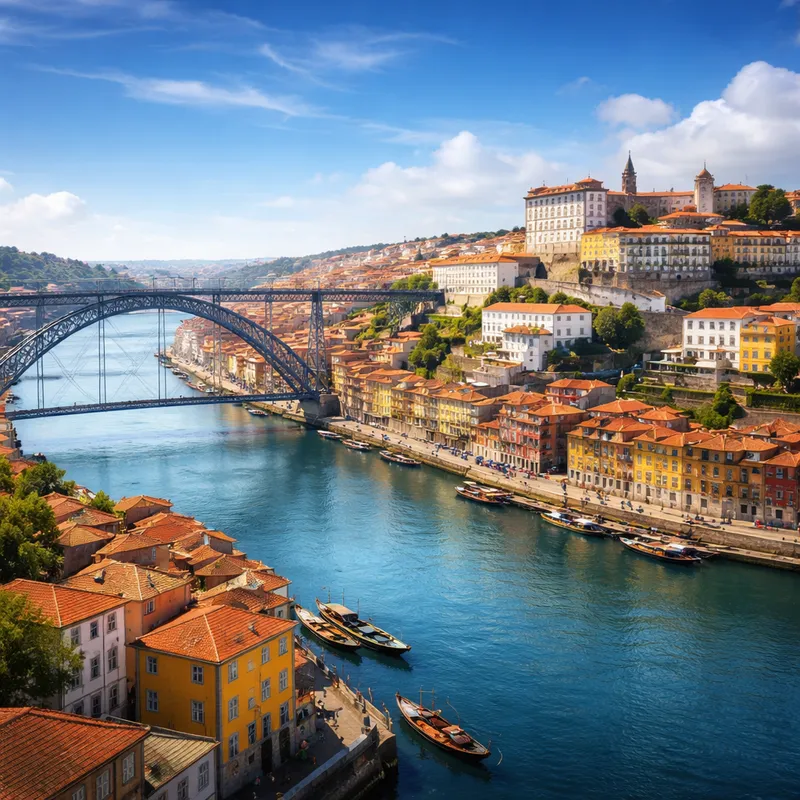
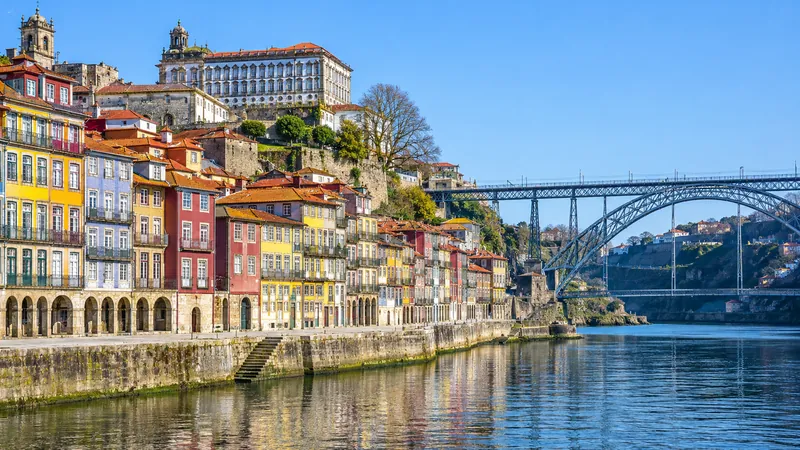
Give the riverfront a flexible place in your day. A brighter spell can bring colour to the façades and reflections to the water, making even a short walk worthwhile. There is no need to reserve a whole afternoon if conditions favour a brief outing followed by lunch indoors.
Before descending, decide how you might return. Save a possible transport route and identify somewhere to sit if the weather changes. This makes it easier to enjoy the walk without wondering how much energy to keep for the climb, particularly when travelling with someone who tires on slopes.
Crossing towards Gaia gives you another view of the river and can fit around an indoor visit. Keep exposed crossings optional when conditions are unpleasant, and follow local restrictions. Treat sunset as a possibility rather than an appointment: cloud may obscure it, and waiting outside can become uncomfortable.
What can you do when the rain settles in?
Choose indoor visits you would enjoy on any day. A museum, exhibition or guided tasting gives an outing a purpose, which is more satisfying than ducking into the nearest attraction. Check each venue's official information for opening days, entry arrangements, accessibility and any seasonal changes before setting off.
Visit Porto and Visit Portugal are useful starting points for finding options. Narrow your choices by neighbourhood so you spend more time inside places that interest you and less time travelling between them. Allow for cloakrooms and a proper look around rather than treating every visit as a quick stop.
Tasting rooms need a little preparation. Confirm the language, visit format, booking arrangements and what is included directly with the operator. Ask about steps or periods of standing if these affect you. If you do not drink alcohol, check whether the tour itself offers enough interest to justify booking.
| Situation | Useful adjustment | Check before leaving |
|---|---|---|
| A brighter spell appears | Walk beside the river first | Forecast and return route |
| Rain looks persistent | Choose one substantial indoor visit | Opening day and entry arrangements |
| Wind makes walking uncomfortable | Shorten exposed stretches | Local advice and restrictions |
| Your shoes are soaked | Return to dry out | Transport back to your accommodation |
| A tasting anchors your day | Leave time around the booking | Language, meeting point and format |
| Your group is tiring | Finish nearer your accommodation | Remaining steps and gradients |
How can you avoid walking every hill?
Use public transport for sections that would otherwise wear you out, particularly the return journey after a long walk. Identify useful stops at both ends before leaving your accommodation. Check the actual walking approach, too: a convenient-looking stop is less helpful if reaching it involves difficult steps.
For the airport journey, compare options with your luggage, arrival time and final destination in mind. Leave enough attention for the last part of the trip, when you may be tired and unfamiliar with the streets. Consult the airport and relevant transport operators for current routes, ticket arrangements and service information.
If arriving by rail or considering a day trip, check Comboios de Portugal for stations, connections and disruption. Recheck close to departure rather than relying on an old timetable image. On a short break, staying in Porto can be more enjoyable than spending a wet day managing extra transfers.
Where do meals and tastings fit into the day?
Lunch makes a useful break between walks. Choose somewhere you would be happy to spend a little time, with food that appeals and a location that suits your route. In winter, check that you can sit comfortably indoors rather than assuming a riverside terrace will make a pleasant stop.
Port wine can be part of the trip without taking over the schedule. Decide whether you want a guided visit with explanation or simply a glass with time to sit. These are different experiences, so read the details before booking. Keep subsequent walking modest if you have been drinking.
Leave space for coffee, a bakery visit or dinner near your room. A nearby meal is particularly welcome after returning to change out of damp clothes. The site's food and drink section may help you decide how much of your break to devote to eating and tasting.
What should you pack for a comfortable day out?
Pack layers you can adjust between walking uphill and sitting indoors. Carry spare socks in a dry bag, and keep your phone and travel documents protected from rain. A small day bag is easier to manage on steps and in busy interiors than a bulky one.
Give wet things time to dry when you return. Loosen shoes, open your bag and hang your coat according to the property's guidance. If you have room for a second pair of suitable shoes, alternating them can make the following morning much more comfortable after a soaking.
Keep the things you need most within easy reach. Searching through a bag for a booking confirmation while standing in rain is avoidable: save tickets together and carry a small cloth for wet glasses or a phone screen.
How much should you arrange before arriving?
Book the experiences that matter most, then leave room around them. Accommodation and a particular guided visit may need advance decisions; a river walk can usually wait for the forecast. Save a few indoor alternatives with their opening information, grouped by area, so changing plans is straightforward.
Read cancellation and amendment terms before committing. Avoid placing an essential booking immediately after your flight or train arrival, especially when travelling via another city. Allow time to reach your accommodation, leave luggage and get your bearings. A quiet first evening can be a good start to a short break.
Use the Porto two-day itinerary for a framework, then adjust outdoor sections to the conditions and your energy. Review the next day's outline over dinner rather than constantly checking your phone while sightseeing. Agree on one priority with your companions, leaving the remaining stops open to change.
In short
Porto in winter suits flexible days, comfortable shoes and time spent over meals. Take brighter spells as an opportunity to enjoy the river, and give indoor visits room in the schedule. Check official forecasts and venue information, then plan around what feels manageable for your group.
Frequently asked questions
Is Porto worth visiting in winter?
Yes, if you enjoy walking, indoor culture and relaxed meals, and are comfortable changing plans for rain. A convenient base and a few appealing indoor options make the trip easier.
What should I pack for wet weather?
Bring a hooded waterproof, shoes with good grip, spare socks and adjustable layers. Protect belongings inside your day bag. An umbrella can help when conditions allow you to use it comfortably.
Do I need to book a port wine tasting?
Check directly with your chosen venue. A particular language or guided format may require advance booking. Confirm the meeting point, accessibility and what the experience includes before committing.
Can I explore Porto if hills are difficult?
Yes, with careful route planning. Check gradients, steps and venue access individually, choose accommodation with a manageable approach, and use suitable transport to reduce climbs. Keep walking sections short enough to enjoy.
Sources and checks
- Visit PortoChecked: 15 November 2026
- Visit PortugalChecked: 15 November 2026
- IPMA, Portuguese weather serviceChecked: 15 November 2026
- Comboios de PortugalChecked: 15 November 2026
Itineraries are editorial suggestions for independent visits. Check current prices, opening hours and trail conditions with official providers.