At a glance
Spend your first Porto day between São Bento, the cathedral area and Ribeira, then give the second day to the opposite riverbank and one booked interior visit. Keep the steep streets and bridge approaches in mind when choosing accommodation. This two-day itinerary combines Porto's historic centre with time beside the Douro, without adding a full-day wine-region excursion to an already short stay.
A two-day plan that follows the landscape
Porto rewards a route with a clear direction. Begin above the river, gradually work downhill, and decide how you will return before setting off. A map can make Ribeira and your hotel look close while concealing the climb between them. The aim is to see the city at different levels, with a comfortable pause before changing banks, rather than repeatedly crossing the same hillside.
The city's official historic-district guide groups São Bento, Ribeira, Clérigos and Palácio da Bolsa among its main sights. Our suggested order is an editorial planning choice. It assumes two full sightseeing days, not an arrival evening and a departure morning. If you have less time, keep the river walk and one interior, then remove the optional tower or tasting rather than shortening every stop.
| Day | Main area | Main experience | What to arrange |
|---|---|---|---|
| First morning | São Bento and Sé area | Station tiles and historic streets | Check access for any paid interior |
| First afternoon | Ribeira | Riverside walk and a proper lunch | Decide your uphill return route |
| Second morning | Bridge and Gaia waterfront | Views across the Douro | Confirm a cellar booking if wanted |
| Second afternoon | Historic centre | Palácio da Bolsa or Clérigos | Check guided language or tower access |
Day one: begin around São Bento
Make São Bento your first architectural stop. Visit Porto describes the station's tiled entrance hall as a defining feature of the historic centre. Look at the panels from a place where you do not obstruct travellers; this is a working railway station as well as a visitor attraction. You can appreciate the room without turning the platform area into a photo session or assuming a railway ticket grants access to unrelated attractions.
Continue towards the cathedral area, choosing streets that suit your mobility and the weather. This part of the day is about seeing how the city unfolds above the water. Add a paid church or museum interior only if it is personally important. A first visit can otherwise become a string of short queues, with little time left for the streets that connect them.
Take a break before descending towards Ribeira. Carrying a large suitcase through this section would change the experience considerably, so leave luggage with your accommodation where possible. Comfortable shoes matter more than a precise step count. For a traveller who prefers shorter walking sections, the useful question is where a car or transit service can actually drop you, rather than how close a destination appears on a map.
Ribeira: give the waterfront its own afternoon
Use the waterfront as a place to linger. Choose a lunch stop after checking the displayed menu and what is included, then leave time to look back at the houses climbing away from the river. A riverside location does not automatically make a restaurant better value, and a longer meal can be more satisfying than hurrying through several photogenic cafés. Decide your food budget before you are choosing while tired.
Avoid adding a boat trip merely because departures are nearby. If seeing the river from the water is a priority, check the operator's departure point, duration, cancellation terms and accessibility, then make that the afternoon's main activity. If it is optional, stay on land. The same river scenery can support several different outings; you do not need to purchase every available version of it.
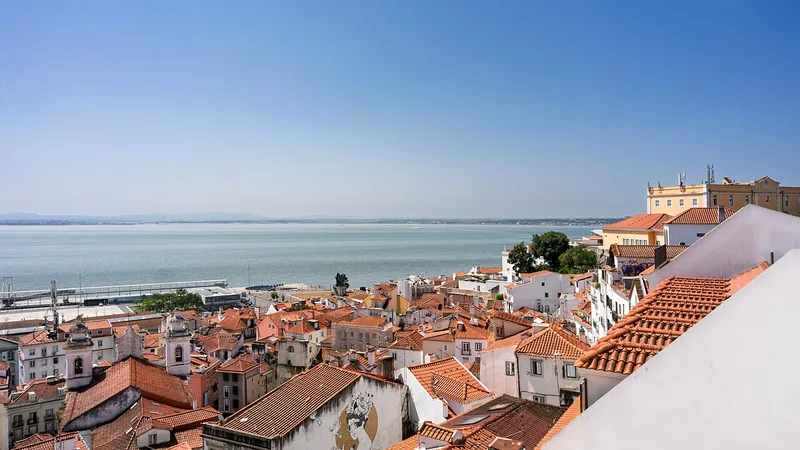
Plan the climb back while you still have energy. Going uphill late in the evening can feel different from the same route in daylight. If you are comparing Portuguese stops, our Lisbon walking guide is useful for thinking about another city where slopes affect daily plans. It describes a separate destination, so do not treat either city as an interchangeable substitute for the other.
Day two: cross the river with a purpose
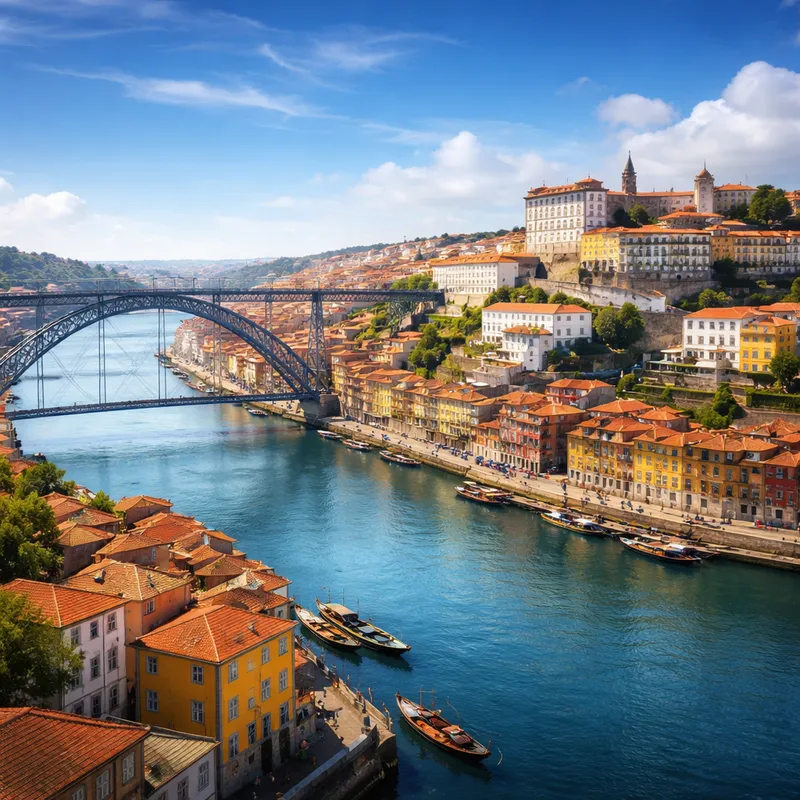
Set aside the morning for the bridge and the Gaia waterfront. Visit Porto's official mini-guide highlights the Luís I Bridge as a double-deck landmark with river views. Check signs and use designated pedestrian space. Choose the crossing level and approach that fit your route; a scenic crossing should not depend on a rushed climb, especially with children, luggage or uncertain footing.
On the opposite bank, look back towards Porto before committing to a cellar visit. For a tasting, book directly with your chosen operator and confirm whether the visit includes a cellar tour, the language used, the tasting format and any age restrictions. A bottle shop, a tasting counter and a guided cellar tour are different experiences. Decide which interests you instead of choosing from the first sign you encounter.
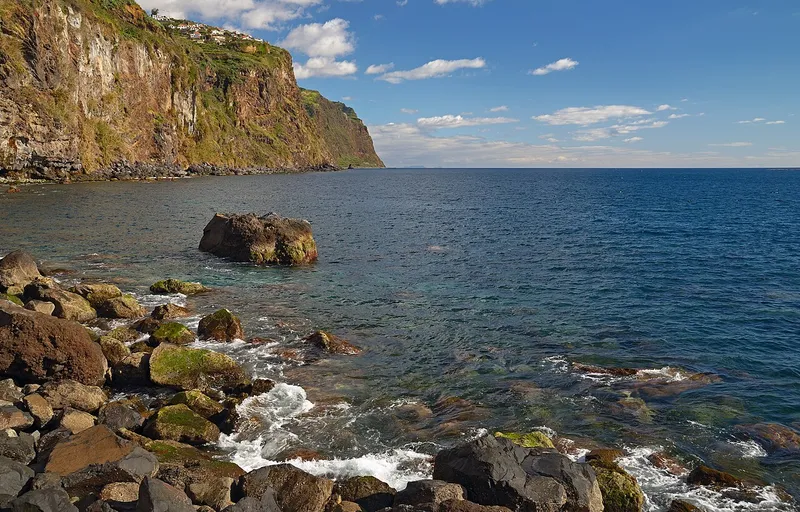
Leave an unbooked interval after the visit. It gives you room for a meal, a delayed tour or simply a riverside pause. Do not combine this morning with a long Douro Valley excursion. A valley trip has different transport demands and deserves its own day. If your interest is landscapes rather than urban sightseeing, compare the different rhythm described in our Madeira first-visit guide before choosing a longer Portuguese holiday.
Choose Palácio da Bolsa or the Clérigos view
Palácio da Bolsa is a useful afternoon choice if interiors interest you. Its operator states that visits are mandatory guided tours lasting approximately thirty minutes, with the language allocated according to arrival order. Confirm the arrangements before you arrive, particularly if an English tour is essential. Do not assume that purchasing admission also lets you wander independently or choose any language at any time.
Clérigos offers a different emphasis: the city viewed from above. Visit Porto identifies the tower as an important viewpoint and describes a multisensory facility that simulates the climb for people facing access limitations. Check which experience your ticket covers and whether the physical route suits you. The existence of an alternative experience does not establish that the historic staircase itself is step-free.
Choose one main paid stop for this afternoon. Seeing a palace and climbing a tower can work if you have generous time, but they need separate access checks and separate energy. If the first visit runs late, make the second optional. For more ideas organised around similar interests, browse our culture and history guides rather than adding an unrelated excursion simply to fill the day.
Where to stay and how to keep spending sensible
For a first stay, compare accommodation around your intended daily journeys. A room near the upper historic centre may simplify station access; a waterfront property may suit evenings beside the river. Examine the route from the nearest usable stop to the actual door, the presence of lifts, and luggage arrangements. These details often matter more than a property's distance from one famous landmark.
Build your budget from actual bookings: accommodation, arrival transport, meals and the one or two interiors you genuinely want. Keep a separate allowance for a tasting or cruise instead of hiding it inside a vague daily estimate. Prices and inclusions can change. A tourism card should be compared against your selected visits, not against a long list of attractions you would never otherwise enter.
For a wet day, move the chosen interior into the least pleasant weather period and shorten the exposed river walk. For a hot day, reduce the climb-heavy section and make time for water and shade. Neither adjustment requires inventing another attraction. A strong two-day plan retains its priorities when conditions change, with enough space that a slower lunch or a different crossing still feels like part of the trip.
Frequently asked questions
Is two days enough for a first visit to Porto?
Two full days give you a useful introduction to the historic centre, Ribeira and the opposite Douro bank, plus one or two selected interiors. They do not also provide a comfortable full day in the Douro Valley. If your stay includes only partial days, keep the river walk and the visit that matters most, then remove optional stops.
Should I book Palácio da Bolsa before visiting?
Check availability and language arrangements with the operator before planning the surrounding afternoon. The palace states that visits are guided and take approximately thirty minutes, with the language allocated according to arrival order. Admission is therefore a different experience from independently exploring an open museum, and an English-language departure should not be assumed.
Can I follow this Porto itinerary with limited mobility?
Adapt it after checking specific streets, gradients, entrances and transport drop-off points. The centre's changes in elevation make straight-line distances an unreliable guide. Clérigos lists an alternative multisensory experience, but you should confirm current access arrangements directly. Splitting the hillside walk into shorter sections is often more useful than simply allowing extra minutes.
Do I need a car for these two days?
This city-focused outline does not require a car. Choose walking sections and local transport according to your accommodation and access needs. A vehicle can add parking and restricted-access questions without helping the main historic-centre visits. If you later add a regional excursion, assess its transport separately rather than assuming the same arrangement suits both journeys.
Sources and checks
- Visit Porto: historic districtChecked: 7 October 2026
- Visit Porto: official mini-guideChecked: 7 October 2026
- Visit Porto: Clérigos Tower and alternative experienceChecked: 7 October 2026
- Palácio da Bolsa: guided visits and language arrangementsChecked: 7 October 2026
- Visit Porto: historic centre and São BentoChecked: 7 October 2026
Itineraries are editorial suggestions for independent visits. Check current prices, opening hours and trail conditions with official providers.