At a glance
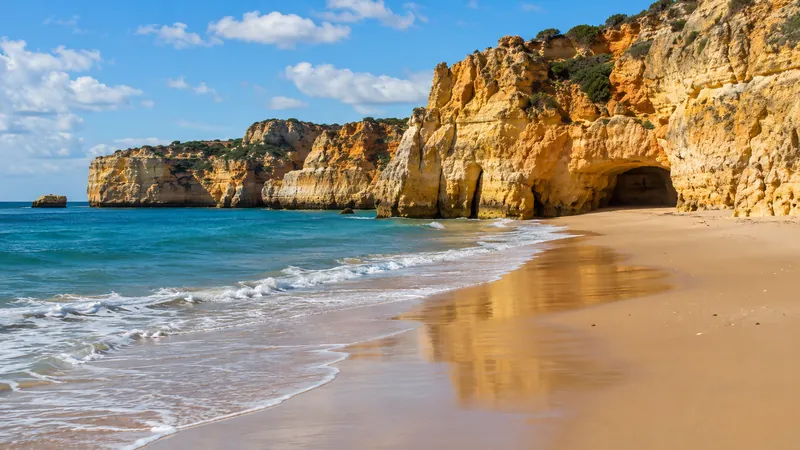
The Algarve in winter suits coastal walks, quieter towns and time outdoors, provided you do not expect a dependable beach holiday. Sunshine can make a sheltered afternoon pleasant, but rain, wind and cool evenings need a place in your plans. Faro and Tavira suit stays centred on town life, while Lagos makes sense if coastal scenery is your priority. Choose comfortable accommodation, keep exposed walks flexible and treat swimming or boat trips as possibilities rather than promises.
What does winter sun actually mean in the Algarve?
Winter sun means opportunities to enjoy being outside, rather than guaranteed warmth. You might sit comfortably over coffee in a sheltered square, then need a jacket on the waterfront. A bright afternoon also tells you little about how comfortable your room will feel after sunset.
Build your days around walking, exploring streets and finding a good lunch. That gives the trip a firmer footing than hoping to spend every afternoon on the sand. Leave space for an unexpectedly lovely day without making the holiday depend on one.
Check forecasts and warnings through IPMA, the Portuguese weather service listed below. For coastal outings, consider wind and sea conditions alongside the general forecast; sunshine alone does not make an exposed route suitable.
Which base makes the most sense for your trip?
Start with an ordinary evening: where will you eat, buy groceries and walk after dinner? Having these things close by can matter more than a pool or sea view. Check the neighbourhood around a property as carefully as the photographs.
Faro works well for town facilities and outings arranged around transport. Tavira suits a slower stay with time for its streets and riverside. Lagos offers a town base with coastal scenery nearby. Smaller resorts deserve closer checking for seasonal services.
The Portugal destination guide can help you place the Algarve within a wider trip. For a short stay, one well-chosen base usually gives you more usable time than several hotel moves.
| Base | Useful for | Check before booking | Planning approach |
|---|---|---|---|
| Faro | Town life and excursions | Heating and transport access | Alternate local days with outings |
| Tavira | Unhurried town exploration | Connections for planned trips | Allow time beside the river |
| Lagos | Coastal scenery and town facilities | Access to intended walks | Keep exposed outings flexible |
| Albufeira | A resort town stay | Businesses operating nearby | Check the specific neighbourhood |
| Smaller coastal town | Quiet days and local walks | Shops and return transport | Confirm everyday essentials first |
How should you approach clifftop walks?
Choose your walk after checking conditions, rather than organising the day around a route you feel obliged to finish. Uneven ground, loose stones, mud and exposure can make a modest outing more demanding than a map suggests.
Use established, permitted paths and follow barriers, diversions and notices. Keep well back from cliff edges, including for photographs. Ground can be unstable, and standing below cliffs brings its own risks. A worn shortcut is not evidence of safe access.
In strong wind, change the outing. A town walk or sheltered waterfront may offer a more comfortable day. Ask locally about access, then assess the conditions you actually find.
Carry water, a snack, a charged phone and an extra layer. Download route information beforehand, identify places to turn back and establish your return transport. Leave enough daylight to finish without rushing.
What is worth doing when beach weather does not arrive?
Give towns enough time to become part of the holiday. A morning exploring streets, stopping for coffee and choosing lunch needs no major attraction to justify it. Visit a market if one is operating, but confirm arrangements before making a special journey.
Faro and Tavira provide options for days when you want cafés and streets around you. Check museums, churches and other indoor visits individually. Summer opening information may leave you with an unexpectedly empty afternoon.
The Ria Formosa area offers a focus for nature outings when conditions and access allow. Use established visitor routes and seek current guidance through Visit Algarve or local visitor information. For wildlife watching, bring binoculars and keep your distance.
Have one easy wet-weather plan near your accommodation. An indoor visit followed by lunch avoids spending the day arranging complicated journeys.
Do you need a car in winter?
A car is useful for scattered walking locations, smaller towns and countryside stops. It gives you control over departures and makes changing an outing easier. The benefit is smaller if you mainly want to enjoy one town with occasional excursions.
Without a car, choose a walkable base and investigate the journeys you intend to make. Check current rail and bus schedules directly with operators, including return services for your dates. A short distance on the map does not guarantee a convenient connection.
Look carefully at walks ending somewhere different from their starting point. The route may be straightforward while the journey back is awkward. A shorter circular outing near reliable transport can be a better choice.
If driving, confirm parking and arrival instructions with your accommodation. Leave room between stops so a delayed departure or leisurely lunch does not put the rest of the day under pressure.
How can you make a short itinerary flexible?
Give each day a purpose without assigning everything to a fixed date. For several nights, that could mean exploring your base, taking a coastal walk and making one excursion elsewhere. Save the exposed outing for whichever day has suitable conditions.
Keep arrival day straightforward. Settle in, find groceries and identify nearby places to eat. Check how the heating works while there is time to contact your host. A local stroll is easier to adjust than a substantial outing after travelling.
Use a suitable outdoor day when it comes, even if that changes your original order. Keep a town visit ready for unsettled weather. If conditions worsen during a walk, shorten it while returning remains simple.
Avoid making every coastal town compulsory. Choose an area that fits your stay and allow some repetition. Returning to a waterfront you enjoyed can be more rewarding than another afternoon in transit.
What should you check before booking accommodation?
Look for reviews describing winter stays. Summer photographs show terraces and pools well but reveal less about draughts, damp or evenings indoors. Ask what heating is available in the rooms you will use and whether it is included.
If you expect to cook or spend evenings reading, check that there is somewhere comfortable to sit. Confirm hot-water arrangements and any shared facilities central to your plans.
For a property outside town, think through routine journeys. Where will you buy breakfast, and how will you return from dinner? An appealing room rate may be less useful if every errand requires a drive.
Check cancellation terms for accommodation and activities before committing. Confirm seasonal operation directly for anything central to the trip, especially a particular restaurant, guided outing or boat excursion. Ask what happens if conditions prevent an activity from running.
What should you pack and check before departure?
Pack layers, a waterproof outer layer and shoes with dependable grip. Include comfortable indoor clothes as well as walking kit. Your day bag should have space for a removed layer, water and anything needed if an outing takes longer than planned.
Bring sun protection alongside rain protection. Coastal walking can mean prolonged exposure even when the air feels cool. Keep essential booking and transport details accessible without a connection, and charge your phone before setting out.
Compare the whole journey when choosing flights: departure airport, connections, baggage and transfer to your base. Check arrangements directly with airlines and transport operators. Keep arrival and departure days light enough to absorb delays.
Before leaving each morning, check conditions and access information again. Visit Algarve and Visit Portugal provide official planning information; IPMA is the source for weather forecasts and warnings. Follow local notices wherever they affect your plans.
Should you combine the Algarve with another Portuguese destination?
For a short break, staying in the Algarve preserves time for the coast and gives you freedom to move outings around. Combining regions makes more sense when you have enough nights to enjoy each stop and a clear reason for transferring.
Count the transfer as part of the itinerary, including packing, reaching the station or airport and settling into the next property. A journey that looks manageable on paper can still take a substantial share of a short holiday. Check the actual connections before booking accommodation in separate regions.
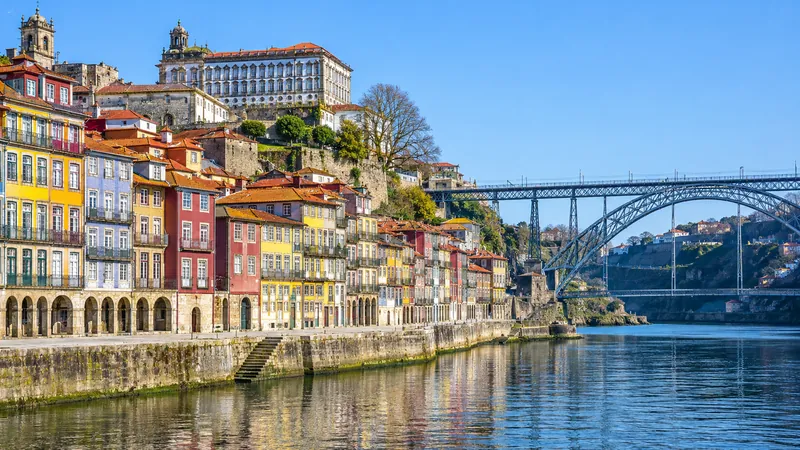
If Lisbon is already on your route, the Lisbon Alfama walking guide can help you plan a separate city walk. The Porto two-day itinerary offers a starting point for a northern stay, with travel time allowed between regions.
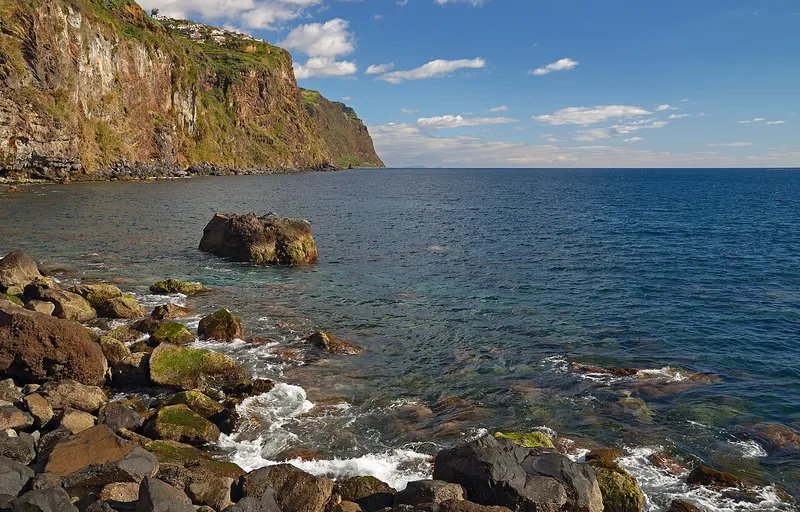
If you are deciding between the mainland and an island, Madeira first visit offers another option to consider. Compare the outings and journeys involved rather than assuming either destination guarantees winter warmth.
In short
Visit the Algarve in winter for coastal scenery, town life and opportunities to spend time outdoors. Choose a comfortable base, leave exposed walks flexible and check current conditions before heading out. A few well-chosen outings, with room to change plans, make a satisfying winter break.
Frequently asked questions
Is the Algarve warm enough for a winter beach holiday?
Plan for beach walks and sheltered breaks outdoors. Dependable sunbathing weather is too much to build the trip around, so make towns and walking your main plans.
Can you enjoy the Algarve without hiring a car?
Yes. Choose a walkable base, check current public transport and limit excursions to workable journeys. Confirm the return connection before leaving, particularly for smaller places.
Are clifftop walks suitable every day?
No. Wind, rain, ground conditions and restrictions can make a route unsuitable. Follow local notices, keep a sheltered alternative ready and turn back when necessary.
What matters most in winter accommodation?
Reliable heating, comfortable seating and convenient food options make a difference. Confirm facilities directly and look for reviews from guests who stayed during winter.
Sources and checks
- Visit Algarve, official regional siteChecked: 15 November 2026
- Visit PortugalChecked: 15 November 2026
- IPMA, Portuguese weather serviceChecked: 15 November 2026
Itineraries are editorial suggestions for independent visits. Check current prices, opening hours and trail conditions with official providers.