At a glance
Spend two days in Oslo with a central waterfront walk, one major art collection and a green-space or museum-peninsula afternoon. Choose the National Museum, MUNCH or another collection according to your interests rather than entering all of them. Museum calendars can vary by season, so check the actual date. Bygdøy is an optional programme with its own transport plan, not an extra guaranteed by a short harbour walk.
Build the trip around one cultural interest
Oslo supports a useful short visit when you combine one substantial indoor experience with its waterfront and public spaces. Decide which collection matters most before adding museums. A broad art overview, a focus on a particular artist and a specialist historical collection are different experiences. Their location in the same city does not make them interchangeable or easy to complete in one afternoon.
Two full days provide an introduction rather than a complete survey. Give each day one main area and leave time for movement, lunch and the conditions outdoors. If the first day is mostly arrival, use a shorter waterfront route and reserve the major collection for a genuinely available block. A partial travel day should not be counted as the equivalent of a complete day of sightseeing.
Day one: begin with the central waterfront
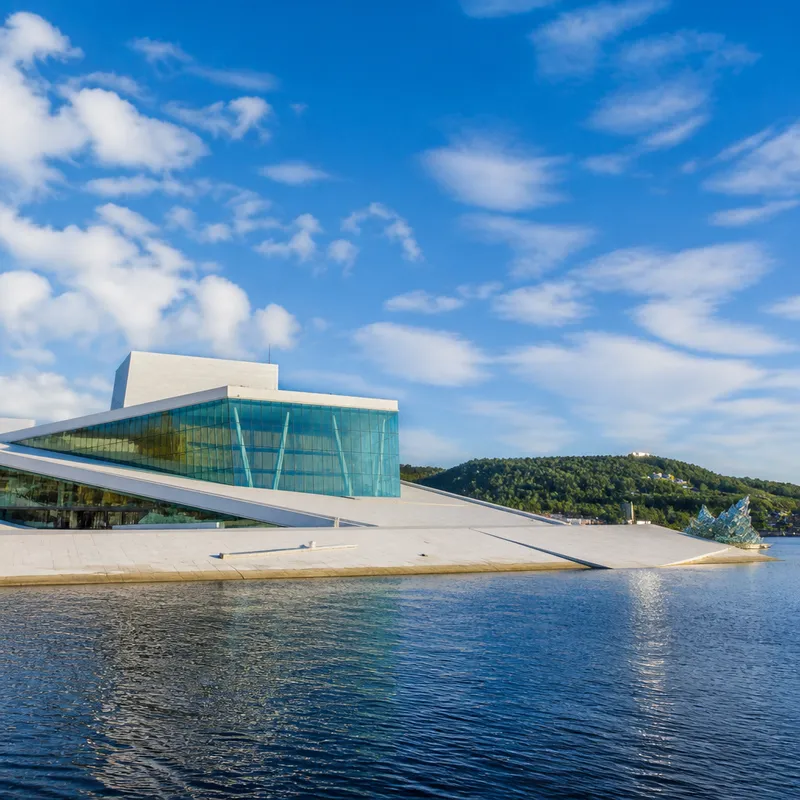
Choose a finite part of the harbour promenade: the Opera House/Bjørvika area, a public route past the Akershus setting, then the National Museum and Aker Brygge side. VisitOSLO groups these points along the broader waterfront route. The full promenade is much longer than this selected stretch, so do not assume you must walk every section. Choose the Opera area first if MUNCH is your collection; choose the western end if the National Museum is the priority.
Continue through the surrounding waterfront spaces at a comfortable pace. A researched interior or cultural stop can be the morning anchor, but keep the remaining route flexible. The city's relationship with the water is part of the experience; it does not require booking a boat or using every viewpoint. Find a place for a pause before deciding whether to extend the walk.
Choose lunch near the area where you intend to spend the afternoon. Moving across the city for every recommendation can use time better spent at the main collection. Check menus and opening hours directly, particularly if dietary needs or seating matter. This guide does not claim firsthand testing of restaurants or promise that an attractive waterside location gives the same experience to every visitor.
Our Stockholm itinerary offers another Nordic route shaped by water, with a different island geography. If combining the capitals, allow time for the actual arrival and luggage arrangements rather than planning a major collection immediately after a transfer.
The National Museum or another selected collection
Use the afternoon for the art visit you chose before arrival. The National Museum can suit someone seeking a broad cultural block; MUNCH or another researched institution may be more appropriate for a focused interest. Read the current collection and exhibition programme, then identify what deserves your attention. A museum visit is more useful when it has a purpose than when it is simply the nearest available entrance.
Opening calendars need careful reading. VisitOSLO's National Museum information checked on 8 October 2026 lists Monday opening in the summer period but a different autumn pattern. Do not turn either seasonal arrangement into a universal year-round rule. Check the museum's own current date and product before booking. Admission, discounts and special-exhibition conditions should also be confirmed separately.
Allow enough time for reading and looking rather than scheduling another large collection immediately afterwards. If art is the main purpose of the trip, a second museum can replace a meaningful part of day two. If not, a relaxed evening near the harbour or in a selected neighbourhood provides a good change of rhythm. The number of tickets is not a measure of how well you used the day.
The National Museum makes geographical sense with the Aker Brygge side, while MUNCH belongs with the Bjørvika end. Match the surrounding walk to the collection you actually chose. If you want both, shorten the rest and investigate both calendars rather than treating the second as a quick nearby room. A harbour view and a substantial art collection demand different attention even when the exterior route passes the entrance.
Day two: choose a park or the Bygdøy programme
Use the second day for a different setting. A green-space and sculpture-focused programme can give the trip a useful outdoor contrast. If the Vigeland area interests you, distinguish the outdoor park experience from entering the Vigeland Museum. They are separate choices with different practical arrangements. Check any interior's actual hours rather than assuming it follows the access of the surrounding public space.
An alternative is a Bygdøy museum programme. Select one institution according to your interests before deciding how to travel there. A peninsula with several museums is not a single attraction requiring a quick circuit through every building. Identify the arrival point, the selected entrance and a comfortable route between them. Add another collection only if the time and attention genuinely support it.
For a first two-day stay, choose one main programme. Visiting a major art collection, several peninsula museums and a park can create a schedule dominated by transitions. If your party has different interests, agree on separate activities and a shared meeting point rather than forcing everyone through the same full list. A coherent shorter visit can work better than an ambitious programme completed tiredly.
For the park version, use Frogner Park and the Vigeland sculpture area as the named outdoor destination, with the separate Vigeland Museum only if its collection interests you. For the Bygdøy version, select one museum such as Fram and check that institution’s current visitor information and the exact journey. Keep one version for the day rather than silently including a park, a peninsula and several museum interiors in the same block.
Understand the ferry choice before relying on it
VisitOSLO's current listing for the Bygdøy museum ferry describes a year-round service, as checked on 8 October 2026. That information should not be replaced by a generic claim that the ferry is always seasonal or always unavailable in winter. Equally, a year-round description is not a guarantee of every departure on every date. Check the operator's current timetable and any service notices for your trip.
Distinguish a museum-transport journey from a fjord sightseeing product. Their routes, stops, ticket arrangements and purposes may differ. Choose according to the experience you want and the museum you intend to reach. If the service is inconvenient, investigate the appropriate land connection rather than making the whole day dependent on an assumed sailing.
Keep margin around the return, particularly before a flight or train. Boarding, weather and movement from the pier to accommodation are part of the plan. A final-day water outing is easiest when you can shorten the destination programme naturally. Do not promise the group a tightly sequenced afternoon that depends on several unverified connections.
Two days with meaningful alternatives
Use this table to preserve the main choices. The second day's alternatives are different programmes, not a list to complete in succession. Exchange days if the selected museum calendar requires it. With a third day, deepen a cultural interest or plan a separate outing rather than repeating the same waterfront circuit with more stops.
| Day | Main focus | Principal choice | Flexible block |
|---|---|---|---|
| One | Central water and culture | One major art collection | Waterfront walk and evening meal |
| Two | Green space or museum peninsula | Vigeland-area route or selected Bygdøy museum | Additional walk or shorter return |
| Extra day | A specific cultural interest or outing | Separately researched programme | Weather and transport margin |
Accommodation and a sensible spending plan
Compare accommodation by connections to the actual places you have selected. A hotel beside a useful station may support the route better than an address described as central without clear access. Check the journey with luggage, the evening return and the street environment. Quiet sleep and nightlife convenience can lead to different choices, so use your own priorities.
Budget separately for lodging, chosen entrances, transport and meals. Calculate a pass against the visits and journeys you will realistically make. Do not count an unused attraction or theoretical discount as a saving. Public-space and waterfront blocks can balance paid cultural activities without making the itinerary feel incomplete. A planned meal and a comfortable pause also have value within a short visit.
For another compact Nordic trip, see our Helsinki itinerary, which includes a specific public ferry as one option. Browse the city breaks collection to compare the cultural focus and practical demands of other destinations.
Final checks for your own dates
Confirm the selected museum's actual calendar, the admission product and any transport service you intend to use. Save the accommodation address and booking instructions offline. If weather makes the outdoor block uncomfortable, shorten it and use a researched nearby alternative rather than automatically adding a distant major museum. Keep enough time to enjoy the chosen collection without watching the clock throughout.
VisitOSLO information was checked on 8 October 2026. Seasonal listings, service notices and ticket conditions can change. This editorial route is a framework for a considered first visit, not a timed tour or evidence of personal experience. The useful balance is one cultural priority, a real waterfront walk and a second day chosen for your own interests.
A transport decision that follows the collection choice
If you use the Bygdøy museum ferry, check the actual sailing, destination pier and return before leaving the centre. The retained VisitOSLO listing describes year-round service; that is not a promise that every departure runs in all weather. If your selected museum is not near the landing you expected, investigate the connecting walk or another current transport route instead of improvising after arrival.
Allow a substantial block for the major art collection and roughly two to three hours for your chosen waterfront section with pauses, excluding a long meal. If the weather makes the outdoor route less attractive, keep the collection and a shorter quay visit. The park day and peninsula day are genuine alternatives with different geography. All timing allowances here are editorial rather than personally measured routes.
Frequently asked questions
Are two days enough for Oslo?
Two full days allow a central waterfront route, one major collection and a green-space or Bygdøy programme. Add time for several substantial museums or a wider fjord outing.
Is the National Museum always closed on Mondays?
Do not assume a universal rule. VisitOSLO's information checked on 8 October 2026 shows seasonal differences, including summer Monday opening. Verify your exact date with the museum.
Is the Bygdøy museum ferry only a summer service?
The current VisitOSLO listing describes year-round operation. Check the actual operator timetable and service notices for your date; that description does not guarantee every sailing.
Are the Vigeland park and museum the same visit?
No. The outdoor area and the museum are separate programme choices. Confirm the museum's current admission and hours if you want to enter it.
Sources and checks
- VisitOSLO: National Museum and seasonal hoursChecked: 8 October 2026
- VisitOSLO: Monday activity optionsChecked: 8 October 2026
- VisitOSLO: Bygdøy museum ferryChecked: 8 October 2026
- VisitOSLO: Vigeland MuseumChecked: 8 October 2026
- VisitOSLO — current harbour promenade sequenceChecked: 8 October 2026
- VisitOSLO — Aker BryggeChecked: 8 October 2026
Itineraries are editorial suggestions for independent visits. Check current prices, opening hours and trail conditions with official providers.