For two days in Ghent, Belgium, plan the castle, historic quays and Patershol on your first day, then St Bavo's Cathedral and the Ghent Altarpiece on your second. Add the Belfry or a boat trip if your energy and the visiting conditions allow. Treat this as a flexible sequence: reserve the visits you care about most and leave room for meals and breaks.
Ghent in two days: settle the bookings first
Choose your priority paid visits before assigning the rest of the weekend. Someone interested mainly in the castle can protect that booking and keep the second afternoon loose. If the Ghent Altarpiece is your main reason for travelling, arrange its visitor experience first and build the second morning around the confirmed conditions.
Check official opening hours, admission arrangements and accessibility for your actual dates. Cathedral access and the art visitor experience can have different conditions, so confirm what your chosen booking includes. [4]
Keep a short reservation note with the date, entry instructions and cancellation terms copied from each booking. Avoid putting another reservation immediately after a visit whose duration you have not established. Check travel entry requirements separately through the official authorities relevant to your nationality and journey; attraction bookings do not resolve those questions.
Arriving at Gent-Sint-Pieters
Gent-Sint-Pieters is an arrival hub, not the old town centre. Ghent has trams and buses, and VisitGent directs travellers to De Lijn for route planning and ticket methods. Check the onward journey to your accommodation or first stop using the current planner. [3]
Plan the arrival in two parts: reaching the station, then reaching somewhere you can leave your luggage. A reservation near your expected arrival time leaves little flexibility if either part takes longer than you allowed.
Save your accommodation address and the planned connection before departure. Check the return journey separately, especially if you intend to collect bags before leaving. For a short stay, choose a first-day booking that leaves a comfortable margin after your scheduled arrival.
Day one: start with Gravensteen
Make Gravensteen, the Castle of the Counts, the first substantial visit. The medieval castle has a moat, defensive structures and a keep. Visiting involves towers, stairs and exhibits, including a collection concerning torture and judicial history. Book admission through official ticketing and read the access information before committing. [1]
That exhibition content deserves consideration when travelling with children or anyone who would prefer to avoid it. Discuss what the group wants from the visit before buying tickets.
Use the morning as a suggested block, subject to the admission slot you obtain. Leave the next part of the day unreserved so you can take a break afterwards. If the stairs or exhibition content make the visit unsuitable, remove the interior from your plan and give more time to the quays and a meal.
Continue to Graslei and Korenlei
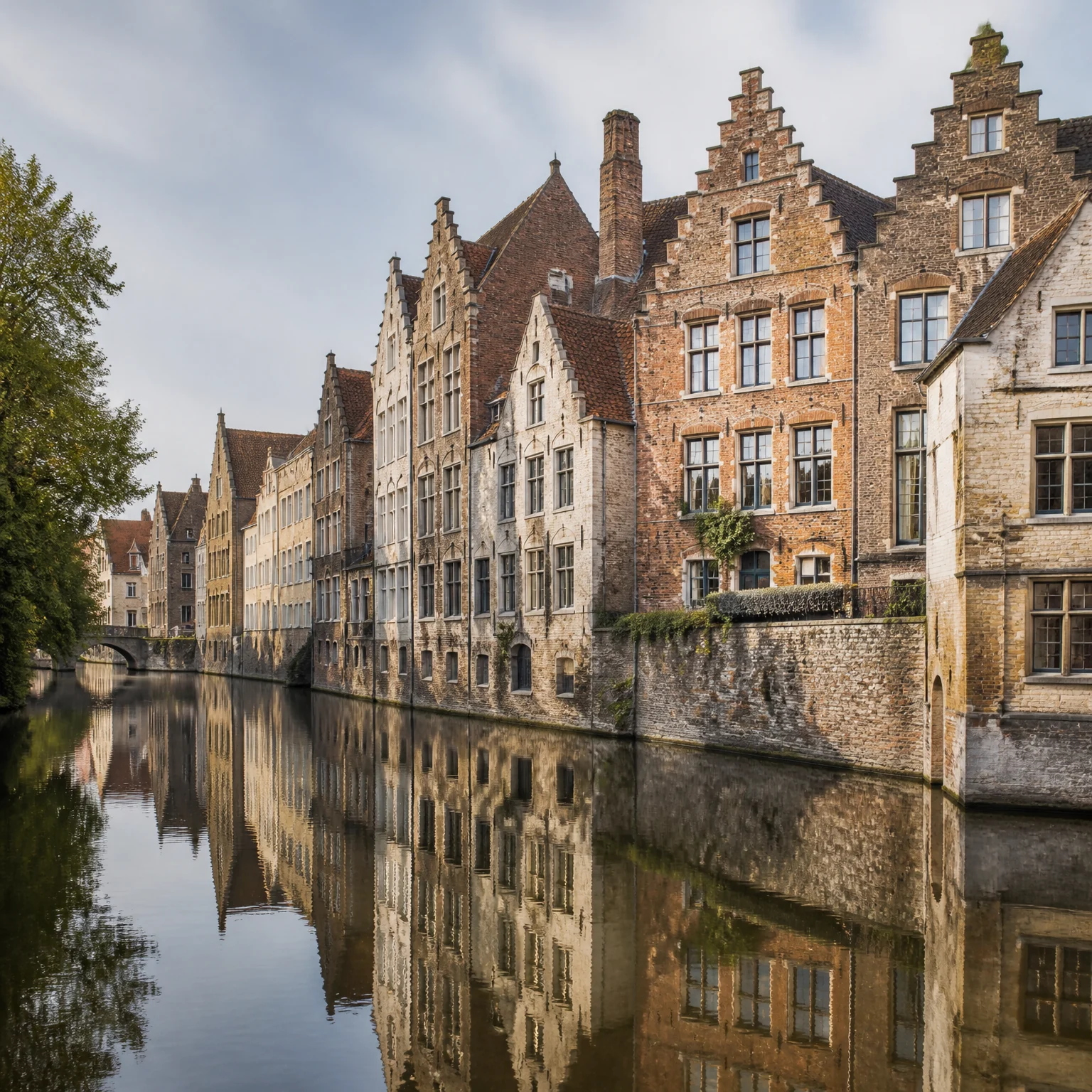
Graslei and Korenlei are historic quays facing each other across the River Lys, also called the Leie, near Korenmarkt and Grasbrug. Guild façades, cafés and boat departures give this part of Ghent its setting. [7]
Allow an unhurried block here after the castle. Look across the water from each side if the route suits your group, then decide whether to stop for a drink or continue. There is no need to assign a precise walking duration without knowing your pace and chosen route.
Use this pause to assess the afternoon. If the castle has taken more energy than expected, shorten the next walk. Keep any boat decision for day two, when you can consider it alongside the other optional visits.
Finish day one in Patershol
Patershol is a historic district of lanes and restaurants near the castle, making it a suitable final part of this suggested first day. [8] Keep the walk flexible enough to finish when you are ready to eat.
Choose a restaurant by its current menu, dietary suitability and reservation conditions. Confirm opening hours directly for your date; the district's culinary reputation does not establish whether an individual kitchen will be serving when you arrive.
For a mixed group, agree on the meal before starting a long search through menus. Anyone who wants an earlier finish can return to the accommodation after dinner, while others can extend their evening according to their interests.
Day two: cathedral and Ghent Altarpiece
St Bavo's Cathedral houses the Ghent Altarpiece, also known as the Adoration of the Mystic Lamb. Check the arrangements for the cathedral and the art visitor experience separately. Do not assume that general cathedral access includes every part of the artwork visit or that everything is free. Respect worship and the applicable visiting arrangements. [4]
Give this booking the clearest part of your second morning. Avoid making it the middle stop between two other timed admissions, particularly if members of your group want different amounts of time with the art.
Afterwards, take a meal or seated break before deciding on the afternoon. If someone in the group wants a shorter visit, agree in advance where you will meet. Confirm that the meeting point is accessible to everyone without requiring another admission.
Choose whether to add the Belfry
Ghent's Belfry is a separate historic attraction from the cathedral and castle, with city views. Admission and accessibility depend on current visiting conditions; check those before booking. [10]
Add it if the view is a priority and the access arrangements suit you. A second substantial attraction on day two will reduce the time available for a boat trip or a slower afternoon.
For a group with different preferences, splitting up can work if everyone is comfortable doing so. Agree on a meeting place and a generous return time before separating. Keep the next shared activity flexible.
Take a boat or leave the afternoon for walking
Ghent has several boat operators and departure arrangements. Check the specific operator's route, duration, seasonal service, weather conditions and accessibility. A November departure should never be assumed, and CityCard coverage needs checking for the particular trip. [9]
Choose a boat if seeing the city from the water appeals to you and the confirmed service fits your afternoon. Before paying, establish the boarding point and where the trip finishes. That information matters if you need to collect luggage or reach a station afterwards.
Alternatively, leave the afternoon for a slower waterside walk with breaks. Select a route you can shorten easily and identify somewhere to sit along the way. If the morning has been tiring, revisit a place you already enjoyed instead of adding another destination.
Adjusting the plan for rain
In wet weather, preserve your most important confirmed indoor visit and shorten the outdoor sections around it. Move a meal or café break into the gap, subject to the venue's opening hours. Avoid filling every spare interval with another ticketed attraction.
A rainy first afternoon could mean a brief look at the quays followed by an earlier meal. On day two, decide about a boat only after checking the operator's actual arrangements. Ask about shelter and boarding conditions if those affect your choice.
Pack a rain layer that you can carry comfortably indoors. Keep tickets and travel documents protected, and leave enough flexibility to return to your accommodation if wet clothing makes the rest of the day uncomfortable.
Planning around reduced mobility
Check access for each stage of the outing: the journey to the entrance, admission procedures, internal circulation and the return trip. Do not assume that an attraction's general accessibility description answers every question about your needs.
For Gravensteen, ask specifically about the parts involving towers and stairs. [1] For the Belfry, confirm which visiting areas you can reach under the current arrangements. [10] A boat enquiry should cover boarding and disembarking as well as the seating on board. [9]
Build the day around the person who needs the most recovery time. Choose a nearby place for a proper break before setting off, and agree which optional activity you will drop if necessary. Avoid treating an unverified alternative walking route as automatically step-free.
Choosing where to stay and what to carry
Compare accommodation by the journeys it creates. Check how you would reach it from Gent-Sint-Pieters, get to your first booking and retrieve luggage before departure. Verify luggage storage directly with the property.
Read the room and building access details if stairs are a concern. If evening noise would affect your sleep, ask about the room's position before booking. A useful location for one traveller may create an awkward connection for another.
Carry only what you expect to need between leaving your accommodation and returning. Keep booking confirmations available offline and bring the mobility aids or personal items you normally rely on. Check individual attraction rules before assuming that a larger bag can accompany you throughout a visit.
Compare a CityCard with individual tickets
VisitGent says the CityCard includes applicable local De Lijn transport use. Check its current validity and conditions against your actual journeys. [3] Compare attraction coverage with the admissions you genuinely intend to use, including any reservation requirements.
Fill in this worksheet using current official prices. Leave optional visits out of the first total, then calculate again if you decide to include them.
| Planned expense | Individual cost | Covered by chosen card? |
|---|---|---|
| Gravensteen admission | ||
| Altarpiece visitor experience | ||
| Belfry, if selected | ||
| Local transport | ||
| Specific boat trip, if selected |
Keep meals and accommodation in separate budget lines. A card comparison is most useful after you have settled the itinerary; adding unwanted visits changes the trip you are pricing.
If you arrive late or have another city planned
For a late arrival, begin with luggage, a meal and whatever outdoor walking you comfortably have time for. Reassign paid visits only after checking available bookings. If both the castle and Altarpiece matter to you, protect those appointments and remove an optional afternoon activity.
For a wider trip, give each city its own arrival allowance and reservation plan. Delft in Two Days: Canals, Vermeer and Delft Blue Delft in Two Days: Canals, Vermeer and Delft Blue is a relevant companion if Delft is another stop. Utrecht in Two Days: Canals, the Dom and Dutch Design Utrecht in Two Days: Canals, the Dom and Dutch Design provides a separate two-day planning reference for Utrecht. Check connections independently before joining any itineraries into one journey.
Frequently asked questions
Is two days enough for Ghent?
Two days can accommodate this suggested sequence if the bookings fit your dates and pace. Prioritise the castle and Altarpiece if those interest you most, then choose between additional attractions and a slower afternoon. Leave room for arrival and luggage collection.
Should I book the castle and Altarpiece ahead?
Use official booking channels to check admission for your dates. Confirm what each ticket covers and read the access conditions before paying. Arrange your priority visit first, then leave enough space around it for meals, transport and an unhurried finish.
Can I follow this itinerary with reduced mobility?
Adapt it after checking your specific requirements with attractions and transport providers. Castle stairs, Belfry access and boat boarding each need separate attention. Choose fewer commitments, include seated breaks and verify the route between stops instead of assuming continuous step-free access.
Is a boat trip essential?
A boat trip is optional. Choose one after checking its route, departure arrangements and accessibility for your date. A slower waterside walk with breaks is another way to spend the afternoon, provided the route and weather suit your group.