At a glance
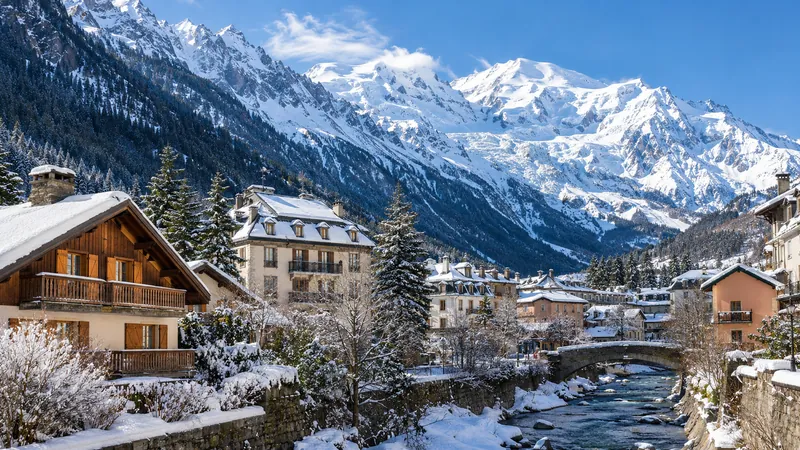
Chamonix makes a rewarding first winter break with or without skiing, as long as you leave room for mountain conditions to shape your plans. Choose accommodation that makes daily journeys straightforward, keep high mountain excursions flexible, and have a valley day you would enjoy anyway. Skiing, winter walking and cable car sightseeing each need different preparation. Use the official sources listed below to check forecasts, local advice and operating information throughout your stay.
What kind of winter break should you plan?
Start with what you most want from the trip. If that is skiing, build the stay around suitable slopes and lessons. If it is mountain scenery, give yourself more than one opportunity for an excursion. For a non-skier, a good balance might be town time, short winter walks and one guided activity.
Think about what would make a cloudy day enjoyable before booking. Chamonix town and the surrounding high mountains are different environments: conditions in the centre tell you little about an exposed viewpoint. A cancelled mountain outing can still leave room for a satisfying day below.
Three nights can give a first visit some breathing space, depending on your journey. With two full days, you have a chance to move a weather-dependent outing. For a shorter stay, choose one main priority and resist filling every remaining hour.
Where should you stay, and how should you arrive?
Central Chamonix is a useful starting point for mixed groups and visitors without a car. Look at the actual walk between accommodation, transport stops, restaurants and equipment hire. Carrying skis or walking on slippery pavements can make a seemingly convenient location less appealing.
If skiing is the priority, check your intended sector and lesson meeting point before choosing accommodation. Chamonix’s ski areas are spread around the valley. Ask how the daily journey works with boots and equipment, including the return when everyone is tired.
Compare the whole journey from home, including transfers and the final approach. For rail travel, check connections and disruption information with SNCF Connect and the relevant operators. Leave a sensible margin between separately booked services, and know what you would do if the last connection became impractical.
Drivers should check official road information and winter equipment requirements for every country on their route. Confirm parking before arrival. The France destination guide can help place Chamonix within a longer holiday, but allow proper travel time between stops.
Ask accommodation providers about luggage storage if arrival and departure times fall outside room access. Also check where wet clothing and hired equipment can dry overnight. These details are particularly useful when several people share a room and need to be ready for different activities the following morning.
What should you check each morning?
Start with the official Chamonix tourism sites and Météo-France. Check the mountain forecast, relevant avalanche bulletin, route advice and operating information for your activity. Read the publication time and geographical coverage; yesterday’s screenshot may no longer help you make today’s decision.
Look beyond the weather symbol. Wind and poor visibility can change an outing even when conditions in town seem pleasant. Webcams help you understand the view, but they cannot establish that a walking route is safe or guarantee that a lift will keep running.
The avalanche danger rating needs its accompanying explanation. If your proposed activity requires interpreting avalanche terrain and you lack that experience, seek qualified local advice. For an ordinary sightseeing break, there is no reason to improvise a route through unfamiliar winter terrain.
| Activity | Check before leaving | Bring or arrange | Alternative |
|---|---|---|---|
| Exploring town | Forecast and pavement conditions | Warm layers and grippy footwear | Café or indoor visit |
| Valley winter walk | Current route advice and closures | Suitable boots and return plan | Shorter recommended route |
| Beginner ski lesson | Meeting point and area operation | Confirmed instruction and rental | Discuss rescheduling |
| Independent piste skiing | Open lifts, pistes and conditions | Suitable equipment and insurance | Another suitable open sector |
| Cable car sightseeing | Operation and visitor restrictions | Warm clothing and booking details | Valley day |
| Guided snowshoe outing | Guide’s assessment and arrangements | Agreed clothing and equipment | Guide’s suggested alternative |
How should you organise a first ski day?
Be straightforward about your ability when arranging instruction or rental. Someone comfortable on easy pistes may still need help choosing suitable terrain in an unfamiliar area. Beginners should confirm the lesson location, equipment collection and transport before deciding when to leave their accommodation.
Check tickets against the particular area and activities you intend to use. Pass coverage, access and operating arrangements need checking through official information for your dates. Do not buy around an ambitious itinerary that depends on moving between several sectors.
Mixed groups benefit from a simple agreement about lunch, meeting points and getting home. Non-skiers should have an independent plan they can enjoy. Choose meeting places everyone can reach, and avoid making the whole group’s afternoon depend on one person’s final run.
Allow time to return equipment, change footwear and get back to your accommodation. A first day often involves more organising than expected. Keeping the evening uncomplicated makes it easier to enjoy the skiing without watching the clock.
How do you choose a winter walk?
Begin with a route currently recommended for winter walking, rather than adapting a summer hiking description. Ask the tourist office about maintenance, closures, likely surfaces and whether the route suits your footwear and experience. Clarify the return journey before setting out.
A route at valley level still needs judgement. Ice, snow cover and changing conditions can make familiar-looking ground awkward. Footprints only show that somebody passed through; they do not establish that the route is suitable for you. Respect closures and turn back if the surface deteriorates.
Choose a shorter outing than you might in summer, leaving space for slower progress and warm stops. The broader nature and hiking guide offers ideas for other trips; here, your walking decisions should rest on current local advice.
Agree a turnaround point before leaving, especially if the return involves public transport. Save the route information for offline use, but remember that a downloaded map cannot show a newly closed path or changing surface. Tell someone your intended route and expected return if you are walking alone.
Should you include a cable car or mountain railway?
The Aiguille du Midi and the Montenvers railway towards the Mer de Glace area are possibilities to investigate for a first visit. Choose according to the experience you want and the official visitor guidance, then keep the day flexible.
Before booking, check operation, reservation arrangements, visitor restrictions and which facilities are available. Read what the ticket includes. Transport access does not necessarily mean that every associated attraction or connecting facility will be open or accessible during your visit.
Give the outing enough room for reaching the departure point, waiting, looking around and returning. Confirm the final return arrangements yourself, and avoid placing a mountain excursion immediately before a tight onward connection. A quieter afternoon afterwards is easier to manage.
Take altitude guidance seriously, including any age or health restrictions. Anyone with a relevant medical condition should seek appropriate advice before committing. Wear warm layers for exposed conditions, and be willing to descend if you feel unwell or uncomfortable.
What is a realistic plan without skiing?
Keep arrival day modest. Settle in, explore the centre and find the stops you will use. Visit the tourist office for current walking suggestions, and identify an indoor option with opening arrangements that suit your stay. These small preparations make later decisions easier.
Use the first suitable full day for your most weather-dependent outing. That could mean a mountain excursion followed by lunch and an unhurried afternoon. If conditions are unsuitable, take a recommended valley walk or spend time in town, keeping the mountain plan for another opportunity.
Make another day different in character. You might visit another valley settlement using current transport information, book a guided winter activity, or explore Chamonix more slowly. For snowshoeing, ask about fitness, terrain, duration and equipment; the presence of snowshoes does not make every route easy.
Build in warm breaks and an early enough return to avoid rushing. For a longer holiday, the Annecy two-day itinerary suggests a separate town-based stop. Give it its own travel arrangements instead of treating it as an automatic response to cloud in Chamonix.
What should you pack and budget for?
Pack adjustable layers, a winter outer layer, gloves, a hat and footwear with dependable grip. Take sunglasses and sun protection too. For outings, carry water, essential medication and a charged phone, protecting the battery from cold and keeping enough power for the return.
Ask locally whether traction aids suit your chosen walking route. They can help on appropriate surfaces, but they do not replace suitable route selection. Hire equipment for the activity you have arranged, and ask how to use unfamiliar items before leaving the shop.
Build a budget around accommodation, daily transport, meals and your chosen activities. Include rental, instruction or guiding where relevant. Compare tickets and passes using official information, and read cancellation terms so you understand what happens when weather changes your plans.
Check insurance against the activities you actually intend to do, including applicable rescue cover and exclusions. For a separate Alpine town break, Innsbruck in two days provides another planning reference. Each destination still needs its own checks for transport and mountain access.
In short
Choose a convenient base, one or two priorities and valley activities you will enjoy. Leave mountain outings flexible and check official conditions each day. Suitable terrain, manageable journeys and time for warm breaks matter more than fitting everything into a first visit.
Frequently asked questions
Is Chamonix worth visiting in winter without skiing?
Yes, if you enjoy mountain surroundings, short walks and time in town. Plan worthwhile valley activities so the trip remains enjoyable when high mountain access changes.
Can beginners ski on a first visit?
Yes, with suitable instruction and terrain. Confirm the lesson meeting point and transport before booking tickets, and describe your experience accurately to the school.
Do you need a car in Chamonix?
It depends on your accommodation and activities. Check current local transport, walking distances and evening returns before deciding. A convenient base can simplify a car-free stay.
Can you walk when there is snow?
Use routes currently recommended for winter walking and follow local advice. Snow can hide ice and other hazards; turn back when conditions exceed your equipment or experience.
Sources and checks
- Chamonix Mont-Blanc official tourism siteChecked: 15 November 2026
- Chamonix official siteChecked: 15 November 2026
- Météo-FranceChecked: 15 November 2026
- France.fr, official tourism siteChecked: 15 November 2026
- SNCF ConnectChecked: 15 November 2026
Itineraries are editorial suggestions for independent visits. Check current prices, opening hours and trail conditions with official providers.