At a glance
Spend the first day in Bordeaux walking through Saint-Pierre and along the Garonne, then use the second for Chartrons and one substantial museum or wine-culture visit. The Cité du Vin fits this city itinerary without requiring a vineyard excursion. Stay near a useful tram connection, leave room for meals, and give Saint-Émilion or the Atlantic coast a separate day if you want to explore beyond Bordeaux.
Keep the first two days in the city
Bordeaux is often treated as the starting point for wine-country excursions. With two full days, staying in the city gives you a more coherent visit: old commercial streets, the riverfront, a market meal and a museum can each receive proper attention. A vineyard tour or a trip to the coast involves additional transport and usually replaces a substantial part of that programme.
The first day follows the historic centre towards the water. The second moves north through Chartrons, with the Cité du Vin as an optional main visit. Use the table as a set of suggested time blocks, not a promise that each attraction takes a fixed amount of time. A long lunch or a museum that interests you should be able to expand without disrupting several later reservations.
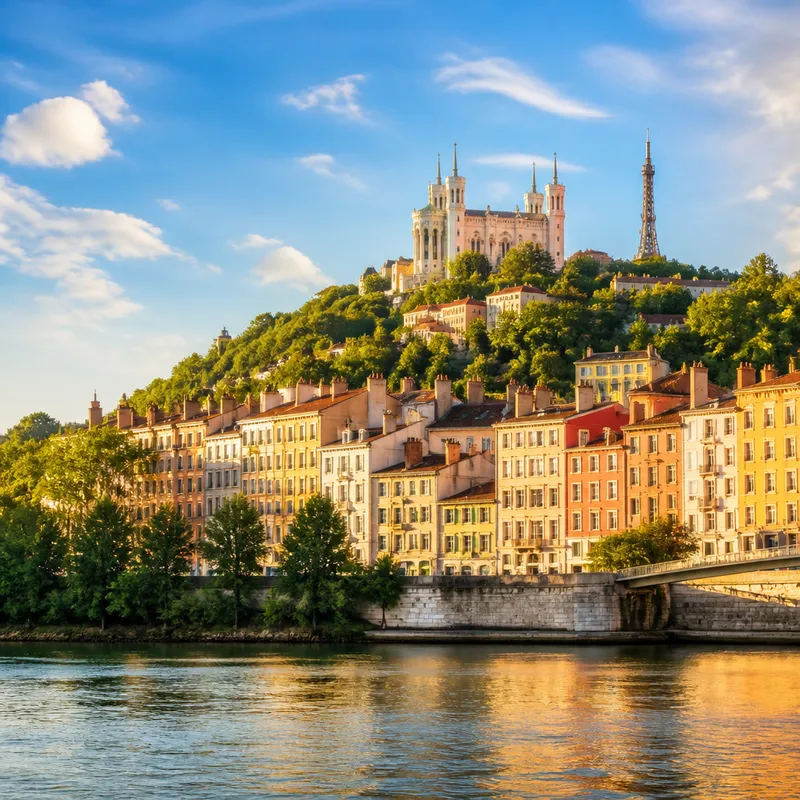
If you are still choosing between French city breaks, our Lyon itinerary gives food and river walks a different setting. Bordeaux suits travellers who want broad waterfront space alongside a compact old centre, with a wine-related experience available without making alcohol the focus of every meal.
| Block | Area | Main decision |
|---|---|---|
| Day one morning | Saint-Pierre and Porte Cailhau | Old-town walk and lunch |
| Day one afternoon | Place de la Bourse and Garonne | River crossing or city museum |
| Day two morning | Chartrons | Neighbourhood streets and café |
| Day two afternoon | Cité du Vin or central art collection | One substantial indoor experience |
Start in Saint-Pierre and follow the small squares
Begin around Place du Parlement, then walk towards Place Saint-Pierre and the streets around the church. The old centre is best understood through short connections and changes of scale: a narrow lane opens into a square, then leads towards the more formal riverfront. Choose a slow circuit rather than trying to cover every street before lunch.
Continue towards Porte Cailhau. The gate makes a useful landmark between the older streets and the river. An exterior look fits easily into the walk; an interior visit is a separate choice if the building's history interests you. Leave enough time to look back along the streets you have followed, because the relationship between the gate, old town and water is part of its appeal.
For lunch, compare a few menus in the area instead of committing to the first terrace beside a monument. A full restaurant meal, a sandwich and market shopping lead to different afternoon plans. If you intend to visit a food market, check its trading hours and reach it while the stalls you want are operating. A market building may remain part of the neighbourhood after its fresh-food activity has slowed.
Walk to Place de la Bourse and the Garonne
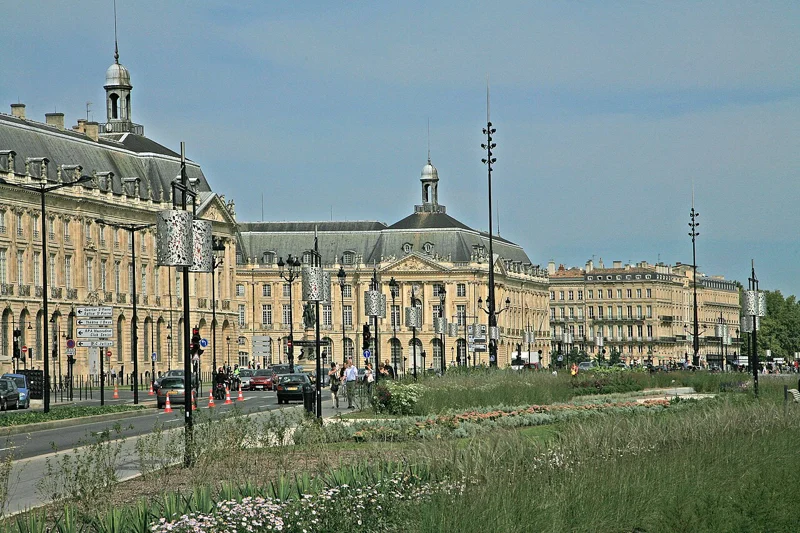
From the old town, make your way to Place de la Bourse and the riverfront. The long façades and open space create a different impression from the lanes behind them. Walk far enough along the quays to see the buildings as a group rather than only from directly in front. The promenade is a place to pause, with the river providing a clear line for the rest of the route.
The Miroir d'eau is a water installation whose appearance depends on its operating cycle and season. Enjoy it when it is running, but do not make a particular reflection photograph the condition for a successful visit. The square and waterfront are worth seeing in their own right. Keep bags and electrical equipment away from water and leave space for people crossing the area.
Continue towards the Pont de Pierre if you want a longer walk. You can cross for a view back towards the historic centre, then decide whether to return immediately or spend more time on the opposite bank. A there-and-back crossing is enough for a short afternoon. The first day does not need an additional distant attraction simply because the map shows another landmark beyond the river.
Choose a city museum or a longer neighbourhood walk
An indoor visit works well after the river walk, especially if the weather makes a long promenade less attractive. Choose a collection by subject: local history, fine art and contemporary art tell different stories. Look at the exhibition actually offered during your stay rather than selecting only by the fame of the building. A temporary exhibition may justify a longer visit than you first expected.
If you prefer to remain outside, use the remaining afternoon for the streets around the cathedral and Place Pey-Berland, then return through the centre. The cathedral and any separate tower experience have their own visitor arrangements. You can appreciate the public square without assuming that a climb or an interior visit will be available at the moment you arrive.
Keep this block optional if you have already spent several hours walking. A seated break followed by a short evening circuit may be more satisfying than another admission. Our Paris itinerary uses the same principle of choosing a limited number of substantial visits, although the distances and transport demands are different there.
Give Chartrons its own morning
On day two, head towards Chartrons, the district associated with Bordeaux's wine merchants. Walk through the streets around Rue Notre-Dame and then return towards the quays. Shops, façades and everyday neighbourhood activity make this a different experience from the monumental riverfront around Place de la Bourse. It is worth reaching on foot if the weather and your starting point make that comfortable.
Choose a few streets to explore without turning the morning into a shopping checklist. If antiques or design interest you, allow time to browse the businesses that are open. If they do not, the architecture and a café stop still provide a worthwhile introduction. Trading days vary, so a particular market should be treated as a bonus unless you have checked that it runs during your stay.
From Chartrons, decide whether to continue towards the Cité du Vin or return to the centre for an art-focused afternoon. The northern waterfront stretches farther than a quick glance at a map may suggest. Use a tram connection when it saves energy for the visit you actually want. Walking one direction and taking transport the other can make a better day than covering the same ground twice.
Visit the Cité du Vin for context, not just a tasting
The Cité du Vin explores wine as a cultural subject. Choose it if you are interested in the relationship between wine, places and human activity, not only if you want to sample a particular Bordeaux bottle. Its location in the Bacalan area also gives the second day a clear destination beyond the old centre.
Check the difference between the permanent exhibition, the Belvédère element and any separately booked workshop or sensory experience. A standard visit and a specialist session are not interchangeable. The permanent-exhibition ticket commonly combines the displays with the viewpoint experience, but read the current product description before purchasing. Non-alcoholic alternatives are relevant if someone in the group does not drink.
Allow a generous block rather than aiming to pass through immediately before lunch elsewhere. Choose which displays to spend time with and leave room for the upper-level view if included in your ticket. A city pass may have its own collection or entry procedure, so resolve that before travelling to the building. Travellers who would rather spend the afternoon with paintings can use our art and museum collection to compare alternatives for a future city break.
Eat well without needing a vineyard tour
A meal in Bordeaux can be the day's main food experience. Choose one restaurant where you want to sit for a while, then keep the other meal simpler. This makes room for the city walks and prevents a two-day visit from becoming a sequence of table reservations. Ask about ingredients, serving size and the format of a menu before ordering.
If wine interests you, a glass with food or a guided tasting can provide an introduction without leaving the city. Decide whether you want to learn about grape varieties, regional differences or food pairing, and choose an experience that actually addresses that question. An expensive bottle or a long list of labels is not automatically a useful introduction for a beginner.
For market browsing, the Capucins area is a separate destination from Chartrons, so place it on the day when it best fits your base and the stalls' operating times. Avoid crossing the whole city just to preserve an arbitrary meal sequence. If you are travelling with children or non-drinkers, centre the visit on the river, neighbourhoods and chosen museum; nobody needs to participate in a tasting to enjoy Bordeaux.
Choose transport and a base that fit your departure
Bordeaux Saint-Jean station is separate from the heart of the old-town route. When comparing accommodation, check the tram or walking connection you will use with luggage. A central room can make evenings easy, while a station-side base may help with an early departure. The right choice depends on your train times and how much you want to walk after dinner.
Use the public transport planner for the actual date rather than relying on a line number preserved in an old guide. The central sightseeing routes are walkable, but the Cité du Vin and other northern stops may justify a tram. Keep a note of the correct stop and direction before setting out, especially when returning for a booked train.
With one full day, retain Saint-Pierre, Place de la Bourse and one chosen indoor visit. With three days, add a separate outing to wine country or the coast after checking its complete journey. A train to a nearby town does not necessarily reach a vineyard, beach or dune entrance. For more trips organised around central stays and public transport, browse our car-free travel guides.
Frequently asked questions
Is two days enough for Bordeaux?
Two full days cover the old centre, riverfront and Chartrons, with time for a major museum or wine-culture visit. Add a separate day for a substantial excursion outside the city.
Do I need to drink wine to enjoy Bordeaux?
No. The streets, riverfront, markets and museums provide a complete city break. Wine experiences are optional, and the Cité du Vin also treats wine as a cultural subject.
Should I include Saint-Émilion in a two-day itinerary?
Only if you are happy to replace a substantial part of the city visit. This plan keeps both days in Bordeaux and treats wine-country travel as an extra outing.
Can I visit Bordeaux without a car?
Yes. Use walking for the old centre and waterfront, with public transport for the station and longer connections. Check the route to your accommodation before arrival.
Sources and checks
- Bordeaux Tourism — Saint-Pierre and old townChecked: 23 October 2026
- Bordeaux Tourism — Miroir d’eau and Place de la BourseChecked: 23 October 2026
- Bordeaux tourism office — districts and visitor choicesChecked: 23 October 2026
- Cité du Vin — visitor information and accessChecked: 23 October 2026
- Cité du Vin — ticket and visit questionsChecked: 23 October 2026
Itineraries are editorial suggestions for independent visits. Check current prices, opening hours and trail conditions with official providers.