At a glance
Use three full days in Rome for three clear areas: the Colosseum and ancient centre, the Pantheon and historic squares, then the Vatican side of the city. Book the attraction that matters most before arranging the surrounding walks. Leave time for security checks, lunch and transfers. This itinerary keeps the Vatican Museums separate from the Colosseum, making two substantial visits easier to enjoy.
Arrange the days around reservations
Rome's big visits work best as anchors for a day. A Colosseum reservation and a Vatican Museums booking are not small interruptions in an otherwise unlimited walking itinerary. Each involves reaching the correct entrance, following ticket instructions and spending meaningful time inside. Put those visits on separate days, then use the remaining time for nearby streets and a meal rather than another faraway timed attraction.
This outline assumes three sightseeing days after you have arrived. If flights reduce that time, choose between the two major interiors instead of pretending that both can fit into half a day. You can reverse the day order to match availability. The useful structure is geographical, with the ancient centre, central squares and Vatican area handled in separate sections. It is an editorial route, not a guided tour with guaranteed admission.
| Day | Main focus | Suggested continuation | Key booking check |
|---|---|---|---|
| One | Colosseum and archaeological area | A shorter walk towards the historic centre | Named ticket, identification and selected entry time |
| Two | Pantheon, Piazza Navona and nearby streets | An evening section in Trastevere | Current access for any interior you choose |
| Three | Vatican Museums or a Vatican-area visit | A relaxed walk and meal on the same side | Museum opening calendar and official ticket conditions |
Day one: give ancient Rome a proper morning
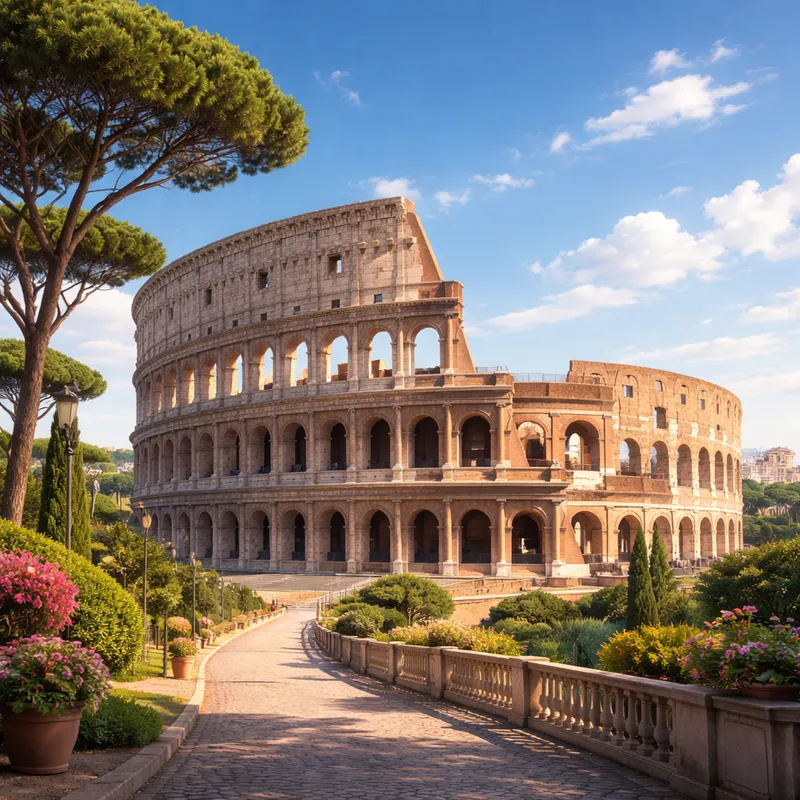
Start with the Colosseum booking you have actually secured. The archaeological park's official visitor information states that timed reservations are compulsory and that ticket sales open thirty days before the visit. It also states that tickets are issued in the holder's name and that identification must be available at entry. Match the booking details to the people travelling and read the selected product's inclusions before paying.
The Forum and Palatine are substantial sites, not a quick corridor between two other attractions. Check whether they are included in your chosen ticket and how its validity works. A standard visit, an arena option and a special-access product can differ. Do not assume that a photograph of an area on a seller's page means your reservation admits you there. Keep the confirmation available offline as well as in email.
Build the morning around shade, water, footwear and the time you want to spend looking. A visitor drawn to archaeology may choose a longer Forum visit; someone travelling with young children may prefer a shorter section with a clear rest point. Both are reasonable. Our advice is to make the afternoon flexible, so the ancient site does not become an obstacle between a morning slot and an unrelated appointment.
Continue with a lighter afternoon
After lunch, choose a walking section that ends somewhere useful for your return or dinner. Avoid adding a second major museum simply because the first admission is finished. The value of this afternoon lies in moving through the city at a slower pace, noticing how modern streets meet ancient structures, and having time to stop when something interests you rather than repeatedly checking a reservation clock.
If the archaeological visit leaves you tired, shorten the walk and return to your accommodation. A rest is a sensible way to protect the remaining days. Rome can tempt visitors into measuring success by the number of famous names reached, even when little of each place was actually experienced. A three-day itinerary is more memorable when it contains a few longer encounters and meals that do not feel like refuelling stops.
For travellers continuing into northern Italy, our Dolomites first-visit guide offers a different kind of trip planning. Mountain routes and seasonal access need their own preparation; they are not a casual add-on to an urban afternoon. Give that part of a longer holiday separate travel time rather than compressing Rome to make an ambitious map look complete.
Day two: the Pantheon and the central squares
Use the second day for the historic-centre area around the Pantheon, Piazza Navona and Campo de' Fiori. Rome's official tourism portal presents them as a connected neighbourhood of squares, streets, palaces and churches. Start with the place that interests you most, then let a compact route connect the others. This is a day when a smaller number of stops gives you more freedom to notice details.
If you want to enter the Pantheon, check its current official entry arrangements and any restrictions linked to religious activity. An exterior stop and an interior visit are different commitments. The same applies to churches containing significant artworks: verify opening and access instead of assuming that an impressive façade means the doors will be open whenever you pass. Plan lunch as part of the route, not as a gap to be filled while walking.
Move between the squares without treating every side street as a required detour. Choose one additional interior if it contributes something distinct, such as a collection or architectural feature you personally want to see. If you mainly enjoy city walks, keep the afternoon unreserved. Our Barcelona three-day itinerary also separates an older central district from demanding architectural bookings, which can help when comparing the pace of a Mediterranean city break.
Trastevere as an evening choice
Trastevere can form a separate evening section if you still have energy and have checked the journey back. Choose a restaurant based on its menu, booking conditions and location rather than the popularity of a photographed street. A neighbourhood evening works best when you can spend time there comfortably, not when it must also include several more monuments and a hurried crossing before the last transport connection.
Be considerate of residents. Keep voices down near homes, leave entrances clear and avoid assembling a group in a narrow passage for photographs. A place can be lively without being a stage set. If your accommodation is far away, choose the evening area partly around how you will return. The most atmospheric dinner becomes less enjoyable when you discover that the trip home is longer or more complicated than expected.
Day three: keep the Vatican visit distinct
Choose whether this day focuses on the Vatican Museums or on the surrounding area and a different religious or architectural visit. The Museums' official ticket information states that admission covers the Museums and Sistine Chapel on the booked day. It does not establish access to every separate Vatican attraction. Read the precise booking confirmation, and do not rely on broad marketing phrases about a complete Vatican experience.
Check the opening calendar before fixing the day. The official information lists Monday-to-Saturday opening and a special last-Sunday arrangement, subject to the calendar. A general Sunday visit should not be assumed available. Allow for entry procedures and for the route through the collection. Pick a few priorities before arrival, so the building's scale does not turn the visit into an exhausting attempt to look at everything equally.
Leave the afternoon on the same side of the city for a meal and a lighter continuation. If you decide to add another interior, confirm its independent access rules and actual entrance location. Avoid a tight appointment immediately after the Museums. Our Paris three-day guide takes a similarly selective approach to large collections: a focused museum visit is often more useful than a full list of names with no realistic visiting time.
Accommodation, costs and practical adjustments
Compare accommodation using the journeys for all three days. Being close to one landmark may mean longer travel to the other two areas, so check actual routes from the door. Look at lifts, luggage storage and the nearest usable transport stop. A cheaper room can cost more in daily transfers, while a central location can still involve cobbles, stairs and a difficult arrival with suitcases.
Build your budget from your selected ticket products, accommodation and meals. Keep transport, optional guided experiences and evening activities as separate lines. A sightseeing pass should be compared against visits you genuinely intend to make, including any reservation fees or exclusions. For rain, move an interior to the affected period if availability allows. For heat, shorten exposed walking sections and protect time for breaks instead of insisting on the original order.
Frequently asked questions
Is three days enough for a first trip to Rome?
Three full days can introduce ancient Rome, the central squares and the Vatican area without rushing every visit. They will not cover all major collections or day trips. If your stay includes partial arrival and departure days, remove a major interior or shorten the walking plan. Keep the visit that matters most as the anchor.
When do Colosseum tickets go on sale?
The archaeological park's official information checked for this guide states that ticket sales open thirty days before the visit and require a reserved Colosseum entry time. Tickets are named, and identification is required at entry. Confirm the current conditions and your chosen product before paying, particularly if you want access beyond the standard route.
Can I visit the Colosseum and Vatican Museums on the same day?
It may be possible with suitable bookings, but this itinerary places them on separate days. Transfers, security checks and time inside both sites make a combined day demanding. Separating them gives you room for the archaeological area and a focused museum visit, with lunch and shorter neighbourhood walks instead of a schedule dominated by deadlines.
Are the Vatican Museums open every Sunday?
Do not assume a normal Sunday opening. The official information describes a special last-Sunday arrangement subject to the opening calendar, alongside Monday-to-Saturday visits. Check your exact date before assigning the Vatican day. A visit to another nearby attraction does not substitute for a Museum reservation or grant access to the Sistine Chapel.
Sources and checks
- Colosseum Archaeological Park: opening and named ticketsChecked: 7 October 2026
- Rome Tourism: Pantheon, Navona and Campo de' Fiori areaChecked: 7 October 2026
- Vatican Museums: prices, tickets and opening daysChecked: 7 October 2026
- Vatican Museums: opening calendarChecked: 7 October 2026
Itineraries are editorial suggestions for independent visits. Check current prices, opening hours and trail conditions with official providers.