At a glance
Rome in winter is a good choice for sightseeing without summer heat, provided you plan for rain, cool spells and shorter days. Queues may be shorter outside holiday periods, but popular attractions still need careful booking checks. The most comfortable approach is to give each day one main visit, group nearby sights together and keep an indoor alternative in reserve. Leave room for lunch and changes of plan rather than filling every available hour.
Why choose Rome for a winter city break?
Winter suits a trip built around looking closely. A museum can become the centre of your day, followed by a walk through nearby streets while there is daylight. Churches and smaller galleries also make worthwhile visits when another hour outdoors has lost its appeal.
The advantage is a manageable pace, rather than guaranteed quiet. Major sights can still be busy, and a sunny afternoon does not mean the whole day will feel warm. Shaded streets, exposed ruins and time spent standing in a queue can make an extra layer welcome.
Choose the outdoor places you most want to see and give them enough time. You will enjoy the season more if the rest of the day can adapt around those priorities.
Which part of winter should you consider?
Christmas and New Year can attract visitors travelling for celebrations, religious occasions and school holidays. Seasonal displays may give an evening walk extra interest, while particular streets and squares become busy. Check Turismo Roma for official information about events and arrangements affecting your dates.
Outside holiday periods, you may find more flexibility, although exhibitions and gatherings can still affect availability. Before committing to accommodation, check access to any attraction that is central to your trip.
Let your interests shape the timing. Archaeology and outdoor photography need daylight; galleries and leisurely meals fit more easily around early dusk. Consult the Italian Air Force Weather Service as departure approaches, then adjust your plans to the current forecast.
How should you organise sightseeing around daylight?
Start with the visit that needs the most outdoor time. At an archaeological site, allow space to understand the layout, read the interpretation and negotiate uneven ground. A late start can leave you rushing through the final part.
Afterwards, stay in the area for lunch and a shorter walk. The Rome three-day itinerary can help you group major sights geographically. For winter, reduce fixed commitments and leave longer gaps between them.
An illuminated square can be appealing after dinner, but evening walking works best as an option. Avoid relying on a long walk across the centre to rescue an overfilled day. If a visit takes longer than expected, drop a secondary stop.
Before you lock in the day's order, check official opening hours and last-admission times for the dates you are travelling. In winter some sites close earlier than in summer, and last entry can be well before closing time. A late-morning start that would have worked in July may leave you short at an archaeological park. Confirm this on the operator's official pages, not on a general travel blog, and recheck after any announced seasonal change. If a site is closed on a weekday, use that day for a neighbourhood walk or a museum you already intended to visit, rather than rewriting the whole trip at short notice.
What does a practical winter sightseeing plan look like?
Pair each main visit with a nearby alternative you would enjoy. Check its admission arrangements beforehand: an indoor attraction only works as a fallback if you can enter it. Keep the plan simple enough to change over breakfast.
Treat spare time as part of the plan. In good conditions, extend a walk or stop in a square. In poor conditions, finish earlier without sacrificing your main visit. This flexibility matters on a short break, when rearranging a missed priority may be difficult.
| Main plan | Use of daylight | Rain adjustment | Check beforehand |
|---|---|---|---|
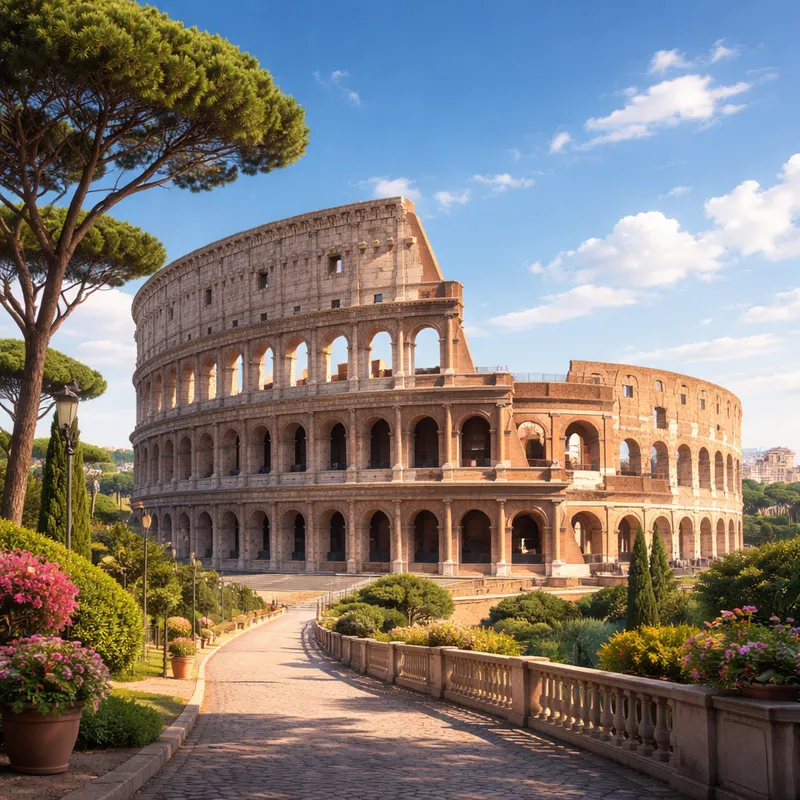
| Colosseum and ancient Rome | Prioritise outdoor areas | Shorten the surrounding walk | Tickets and access rules |
| Historic-centre walk | Group nearby squares | Add an indoor visit | Admission and services |
| Vatican area | Plan outdoor approaches | Allow longer indoors | Bookings and church access |
| Neighbourhood exploring | Walk in suitable conditions | Pause and reassess | Return transport |
| Museum day | Walk between visits in daylight | Reduce extra walking | Tickets and bag rules |
| Excursion beyond Rome | Consider both journeys | Substitute a city day | Forecast and railway notices |
Will you really spend less time queuing?
You might, but a shorter queue does not necessarily mean simpler access. Reservations, timed entry, identification requirements and security procedures can still apply. Read official attraction guidance before buying, including bag restrictions and what to present at the entrance.
Use Turismo Roma as a starting point for visitor information, then follow the relevant operator's booking instructions. An old account of walking straight in should not determine your plans.
Secure essential visits before filling the remaining days. If your preferred slot is unavailable, reconsider the day's order. Several awkward entry times can create unnecessary journeys and leave too little time to eat. Check cancellation and amendment conditions before paying so you understand how much flexibility you retain.
How can you handle rain without losing a day?
A passing shower and persistent rain call for different decisions. For a shower, a café break or shorter route may be enough. If the forecast makes a long outdoor visit unappealing, consider moving an indoor priority forward, subject to ticket availability.
Choose alternatives close to where you will be. A nearby gallery can offer a satisfying change of pace; crossing town may mean more wet walking. Churches remain places of worship, with visitor access shaped by services and local arrangements.
Slow down on wet paving, steps and archaeological surfaces. Keep rain protection accessible in your bag.
The Rome destination guide can help you place alternatives within the wider city. Before setting off, choose somewhere to retreat to and establish how you would return to your accommodation.
If rain sets in for the morning, consider using public transport for the first crossing of the city instead of walking between distant areas. Check current service information through official Roman transport channels and allow extra time if you are heading to a timed entry. Getting soaked on the way to a reserved visit is an avoidable frustration: a slightly earlier departure, a compact umbrella already in your bag, and a plan for drying off will protect both your tickets and the rest of the day.
Where should you stay to make winter travel easier?
Choose accommodation around the journeys you expect to make most often. A base within comfortable walking distance of several priorities can save repeated travel. A useful station connection may matter more if you arrive late or depart early.
Look beyond the distance on a map. Check the route from the station or stop to the entrance, including steps and luggage handling. Read recent accommodation information for details about heating, lifts and luggage storage.
Keep arrival day lightly planned. Reaching the city and dropping bags can take longer than expected. Verify relevant rail services through Trenitalia and leave a comfortable buffer before timed attractions. A short local walk is often a better first commitment than a major visit with a fixed entry slot.
What should you carry, and how much walking is realistic?
Think about time on your feet as well as distance. Museums involve standing; archaeological areas add uneven ground and steps. Several short visits can therefore produce a demanding day before you count the journeys between them.
Wear shoes you already find comfortable and layers you can adjust between streets and interiors. Carry rain protection and keep your bag light. Check attraction bag rules, particularly if you plan to visit directly after travelling.
Make lunch a seated break when needed. If your group walks at different speeds, agree on a shared priority and somewhere easy to pause or separate. Knowing someone can return independently takes pressure off everyone.
A shorter route completed comfortably leaves more energy for the following day. Avoid adding a distant sight simply because it looks possible on the map.
Should you add another Italian city?
An onward stay works best when you have enough nights to absorb packing, station transfers and another check-in. Count the complete move between accommodation addresses. In winter, it may use daylight you hoped to spend exploring.
The Florence three-day itinerary can help you judge how much time you would want there. Compare your priorities with the time remaining after travel.
For a longer trip, the Naples three-day itinerary offers another way to assess an onward stay. Check current services through Trenitalia and relevant station or infrastructure notices through RFI. Recheck before travelling, especially if your connection leaves little room for disruption. If another city squeezes Rome into hurried fragments, keep one base.
In short
Plan Rome in winter around one main visit each day, reserving daylight for outdoor priorities. Keep a worthwhile indoor alternative nearby and check official entry, weather and transport information. Leave space between commitments to sit down, change direction and enjoy what catches your attention.
Frequently asked questions
Is Rome warm enough for sightseeing in winter?
It can be comfortable for walking, but mild conditions are not guaranteed. Bring layers, rain protection and comfortable shoes. Check the forecast before departure and during your stay, especially before a long outdoor visit.
Do major attractions still need advance booking?
Winter does not remove booking requirements. Check each attraction's official guidance for reservations, entry times, identification and bag restrictions. Book essential visits first, then arrange nearby walks and meals around them.
Can you enjoy Rome when it rains?
Yes, with a flexible plan. Combine outdoor priorities with nearby indoor options and allow extra time on slippery surfaces. Check admission arrangements before relying on a museum or gallery as your fallback.
Is a winter weekend enough for a first visit?
A weekend can provide a satisfying introduction if you choose a few priorities. Keep visits close together and allow for meals, transport and weather changes. Leave some major sights for another trip.
Sources and checks
- Turismo Roma, official city tourismChecked: 15 November 2026
- TrenitaliaChecked: 15 November 2026
- Italian Air Force Weather ServiceChecked: 15 November 2026
- RFI, Italian railway infrastructureChecked: 15 November 2026
Itineraries are editorial suggestions for independent visits. Check current prices, opening hours and trail conditions with official providers.