At a glance
Oslo makes a rewarding winter city break when you plan around museums, short walks and the daylight available. You can enjoy the harbour and spend time outdoors without making snow or skiing essential to the trip. Choose a convenient base, give each day one main indoor visit, and leave room to adjust your route. When wind, ice or wet feet change the mood, an easy journey back to warmth matters more than completing an itinerary.
What should you expect from Oslo’s winter weather?
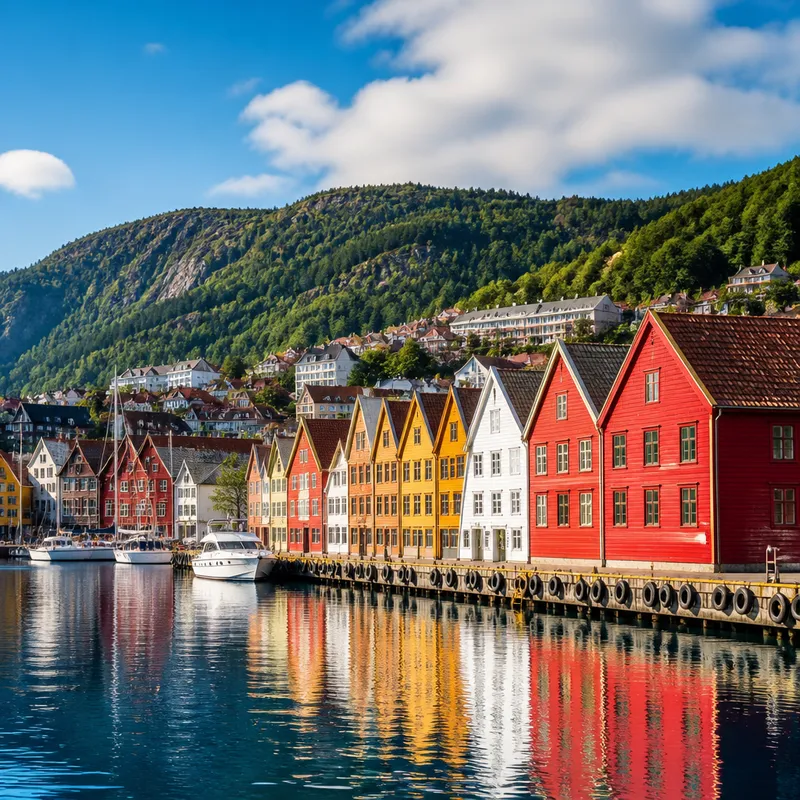
Winter conditions affect small decisions throughout the day, from choosing shoes to deciding where to have lunch. You might encounter snow, wet pavements, slush or ice, sometimes within the same outing. Waterfront photographs offer inspiration, but tell you little about what to pack for your dates.
Check Yr before departure and each morning, paying attention to wind, precipitation and warnings as well as temperature. Use the Norwegian Meteorological Institute for official weather guidance. For a forest outing, check the intended destination separately; conditions around your hotel are not enough to judge the route.
Bring waterproof footwear with a dependable sole, adjustable layers, gloves, a hat and a wind-resistant outer layer. Layers you can remove easily help in heated galleries. Spare socks can rescue an afternoon after a wet walk. If you use traction aids, check instructions and remove them indoors where required.
How should you organise the daylight?
Give the brightest part of the day to the outdoor experience you care about most. That could be a harbour walk, a sculpture park or time near the forest. Fit your museum visit around it, after checking opening hours, rather than leaving every outdoor plan until afterwards.
Daylight changes considerably across winter, so check sunrise and sunset for your dates. Allow extra time for careful walking, finding stops and taking photographs. Choose a route you can shorten without missing the place you particularly wanted to see.
One substantial indoor visit and one outdoor possibility usually give a day enough shape. The Oslo two-day itinerary can help you group places geographically. Make the final choice each morning, with an alternative close enough that changing plans feels straightforward.
Where should you stay, and how should you get around?
For a short break, prioritise convenient transport and somewhere nearby to eat. Being able to return for dry clothes or a rest makes outdoor time easier to enjoy. Check the actual walk from the nearest stop, including hills or awkward stretches when carrying luggage.
Use Ruter to check local journeys, ticket zones, validity and service information. Treat your airport transfer as a separate planning task: confirm the airport, operator and destination before buying a ticket. Do not assume a ticket for central journeys covers the whole transfer.
For rail journeys, consult Vy for routes, ticket conditions and disruption notices. Leave a sensible margin between separate bookings, especially before a flight. Compare the complete journey, including transfers and luggage.
Walk between nearby places when the footing suits you. Use public transport when a longer crossing would leave you tired before the visit itself.
How can you change plans without losing the day?
Decide on your fallback while you are still comfortable. Know where you can stop indoors, how to get back and which booking fixes your schedule. This makes it easier to shorten an outing before cold hands or difficult pavements dominate the day.
Leave some time unallocated. An unhurried lunch gives you somewhere to reconsider the afternoon, and a shorter day can be a good decision. Avoid paying for several tightly spaced activities if you want that flexibility.
| Conditions or constraint | Outdoor option | Indoor alternative | Check before leaving |
|---|---|---|---|
| Clear weather, comfortable footing | Short harbour walk | Gallery afterwards | Wind and sunset |
| Strong wind by the fjord | Sheltered neighbourhood streets | Longer museum visit | Forecast warnings |
| Slush or slippery pavements | Brief walk near transport | Indoor stops linked by transit | Footwear and access |
| Snow around the forest | Suitable short walking route | City museum | Path conditions and return |
| Uncertain skiing arrangements | Keep outing provisional | Museum and neighbourhood lunch | Trails, hire and lessons |
| Limited arrival-day time | Stroll near accommodation | Café near your connection | Live transport information |
Which museums deserve a place in your plan?
Start with your interests. The National Museum is an option for a broad interest in art and design; MUNCH may take priority if Edvard Munch is a reason for visiting. Visit Oslo is a useful starting point for exploring museums and finding official visitor information.
Confirm opening days, admission arrangements and exhibition booking requirements before setting your schedule. Check holiday arrangements carefully. If one particular work or exhibition matters to you, establish what is accessible during your stay rather than relying on the museum’s name alone.
Allow time to remove layers, store belongings and look properly. Two large museums in one day can be tiring, especially if you also want daylight outdoors. A single visit followed by lunch and a neighbourhood walk often leaves more room to enjoy what you have seen.
Check café and cloakroom arrangements if they affect your plans. For another Nordic city break, the Stockholm three-day itinerary offers a different layout and pace to consider.
What makes a sensible winter waterfront walk?
Choose a stretch that fits the rest of your day. Around Bjørvika, the Opera House area brings you close to the harbour and modern Oslo. Aker Brygge and Tjuvholmen offer another setting for water views and indoor stops. There is no need to join every waterfront area into one outing.
Start near your museum or accommodation, then extend the walk if everyone remains comfortable. Identify somewhere to warm up before setting off. Keep gloves within reach when taking photographs; standing still repeatedly can change how cold the walk feels.
Follow closures and local signs around steps, slopes and exposed edges. A surface that looks inviting in a photograph may be unsuitable in winter. Enjoy the view from somewhere level and secure if that is the better option.
Fjord light can make a brief walk memorable, including on an overcast day. Let conditions determine how long you stay.
When is a forest outing a good idea?
Consider the forest when the route, daylight and conditions suit your experience. Sognsvann and Frognerseteren are approaches to investigate through the metro network. Before travelling, settle on a specific route, a turnaround point and a return connection. Reaching a station is only the start of planning the walk.
Public transport access does not tell you how easy a path will be in winter. Snow may hide uneven ground, and compacted surfaces can be slippery. Summer walking estimates may not suit the conditions you find. Choose something modest, with enough margin to return comfortably in daylight.
Check local guidance about walking routes and prepared ski tracks. Keep clear of groomed tracks where pedestrians should not walk. If suitable access is unclear, ask locally before continuing.
Carry water, a snack, an extra layer and a charged phone. Check any café you intend to use instead of depending on it. Turning back near the starting point is reasonable when the surface feels wrong.
Should you include skiing in a city break?
Include skiing if you want to spend time organising and doing it. Cross-country skiing involves technique and balance as well as snow. Beginners should investigate instruction and suitable routes before hiring equipment; a trail that looks short on a map may still be demanding.
Check current trail conditions, equipment availability and lesson arrangements through the relevant official information. For downhill skiing, confirm the operating area and booking details directly. Snow on a city pavement does not establish what is available at your intended destination.
Count the whole outing: travel, collecting equipment, changing and returning it. Keep a city plan you would happily follow if skiing falls through, particularly on a short stay with little spare time. Read cancellation terms before committing to a weather-dependent activity.
What should you arrange before departure?
Secure accommodation with convenient transport, choose your priority museum and make necessary bookings. Keep weather-dependent outings flexible where booking terms allow. Visit Oslo can help with city planning, while Visit Norway provides wider seasonal context. Use the transport and weather sources below for checks close to travel.
For a longer Norwegian trip, give each destination enough time. The Bergen two-day itinerary can help you judge a separate stay and the travel it would add. Avoid treating an intercity journey as spare sightseeing time before checking the practical details.
Keep the Oslo destination guide available for broader planning. Save your accommodation address, bookings and essential journey information offline. A power bank is useful when you depend on your phone for navigation.
Before leaving your room, check the forecast, your first destination and the route back. Agree on the outdoor plan with your companions while everyone is comfortable.
In short
Build your Oslo winter break around a comfortable base, a museum you want to visit and outdoor routes you can shorten easily. Use daylight deliberately and check official information before setting off. The harbour, forest and ski trails can then fit the day you actually have.
Frequently asked questions
Is Oslo worth visiting in winter without skiing?
Yes. Museums, neighbourhood walks and time beside the harbour give the trip plenty of purpose. Choose indoor visits you care about, then add outdoor time when conditions suit.
Can you rely on snow in central Oslo?
No. Prepare for wet pavements, slush and ice as well as possible snow. Check the forecast near departure and choose plans that still appeal without a snowy setting.
Do you need a car for a winter city break?
A central visit can usually be planned around walking and public transport. Check connections to your accommodation and any outlying destination before deciding how to travel.
Can you walk in the forest without winter experience?
Choose a short, suitable route after checking local conditions and access. Leave plenty of daylight, understand the return journey and turn back if the footing feels beyond your confidence.
Sources and checks
- Visit OsloChecked: 15 November 2026
- Visit NorwayChecked: 15 November 2026
- Yr, Norwegian Meteorological Institute forecastChecked: 15 November 2026
- VyChecked: 15 November 2026
- Ruter, Oslo public transportChecked: 15 November 2026
- Norwegian Meteorological InstituteChecked: 15 November 2026
Itineraries are editorial suggestions for independent visits. Check current prices, opening hours and trail conditions with official providers.