At a glance
Spend the first day in Chiang Mai's old city, combining Wat Chedi Luang with Wat Phra Singh and a city-history stop. Use another morning for Warorot Market and the Ping River area. Keep Doi Suthep as a separate half-day outing with a planned return journey. Weekend walking streets depend on the day, so use them as an optional evening rather than the foundation of the trip.
Start inside the old city, then change scale
Chiang Mai's old-city temples, riverside markets and mountain temple make three distinct outings. Put them on different days and the visit becomes easier to organise. You can learn something about the historic centre before heading beyond it, and you have time to arrange a proper return from Doi Suthep instead of negotiating transport at the end of an overfilled day.
This itinerary suits three full days based in Chiang Mai. It combines sites described by the provincial government, Tourism Authority of Thailand and the municipal heritage centre. Our suggested order is editorial; it is not a tour sold by those institutions. Swap the old-city and market days around the heritage centre's opening calendar, and treat a weekend walking street as an additional evening option.
Chiang Mai belongs to our Thailand destination collection. This city itinerary does not include a long national-park excursion, a trek or an elephant encounter. Each would need separate research and additional time.
| Day | Area | Main visits | Practical choice |
|---|---|---|---|
| 1 | Old city | Wat Chedi Luang, city heritage centre, Wat Phra Singh | Which temples and museum fit your interests |
| 2 | Chang Moi and river area | Warorot Market, nearby flower market, riverside break | How to return to your accommodation |
| 3 | Doi Suthep | Temple visit with arranged transport | Return service and access requirements |
Day one: Wat Chedi Luang and the historic centre
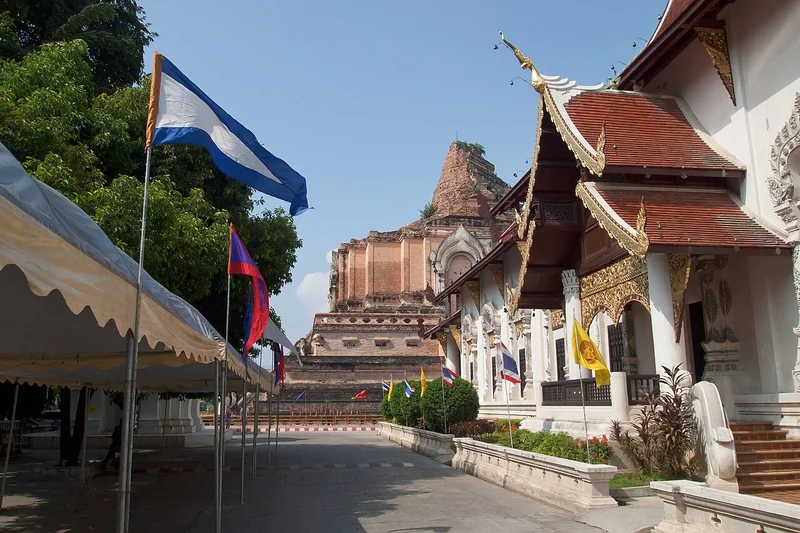
Begin with Wat Chedi Luang and make it a proper visit. The substantial brick chedi is an obvious landmark, but the surrounding religious buildings are part of an active temple complex. Follow the signs about entry, shoes and photography. Observe ceremonies from a respectful position and keep clear of people using the grounds for worship.
Look first at the chedi from the permitted paths, then compare it with the rooflines and decoration of the hall. This gives you a reason to slow down without inventing a historical explanation for every figure. The provincial tourism page identifies the temple's Lanna architectural interest; dates or dimensions on old visitor pages should not be treated as essential facts to memorise before enjoying it.
Continue towards the Three Kings Monument area for the municipal cultural centre if its current calendar fits. The centre's exhibitions trace the city and region through different periods and themes. This is useful context before visiting more temples. At our October 2026 check, the centre listed Wednesday-to-Sunday opening and Monday and Tuesday closure, so the museum should determine which day you assign to this part of the route.
Wat Phra Singh and choosing how many temples to visit
Use the second part of the old-city day for Wat Phra Singh on Sam Lan Road. The provincial government highlights Wihan Lai Kham and its Buddha image. Rather than trying to compare every temple in Chiang Mai, spend time noticing how this complex differs from Chedi Luang in scale and the way its buildings sit within the grounds.
Temple visits can become repetitive if the whole day consists of arriving, taking a photograph and moving on. Two substantial complexes with a history stop between them give the day more context. A meal and a return along an ordinary street also let you see the old city as a lived-in neighbourhood. Keep voices and camera use appropriate around worshippers.
Choose clothing that can meet the instructions at the sites you visit, including coverage requested by the temple. Carry shoes that are manageable when removal is required. Check specific rules on arrival; access to an outdoor courtyard does not establish that every hall or shrine is open to all visitors. Never cross a barrier to recreate a photograph seen online.
Day two: Warorot Market and the Ping River area
Warorot Market, also called Kad Luang, makes a different kind of morning. Tourism Authority of Thailand identifies it as a local market associated with northern foods and points to the nearby Ton Lam Yai flower market. Begin with a slow look at the stalls before buying. This helps you recognise the difference between a cooked meal, a packaged ingredient and something intended to be taken home.
Ask about ingredients if you have a dietary requirement, and use the actual stall's information when making a decision. A guidebook description of a dish cannot establish what a particular vendor has put into it. Buy a modest amount first if you are unsure what you want. Keep access routes clear while looking at displays and ask before photographing people at work.
After the market, take a break in the wider river area rather than immediately travelling to another side of the city. Choose a café or meal stop from the options operating on your date. The point of this day is the relationship between a working market and its neighbourhood; a specific restaurant does not have to remain in business for the route to make sense.
Weekend walking streets are an optional evening
The provincial tourism information describes walking-street markets at weekends. They depend on the day and the local arrangements. If one fits your stay, ask your accommodation which streets are operating and how to reach the return collection point. A temporary pedestrian event can change where vehicles can stop, so a pin saved earlier may not be usable that evening.
Give the market a defined purpose: dinner, a craft purchase or a short look around. Travelling companions often have different tolerances for crowded browsing. Agree where to meet if separated and keep essential contact details available without relying on mobile data. Carry purchases in a way that leaves your hands free to move through the crowd.
On a weekday, keep the market day worthwhile through Warorot and the river area, without assuming that a large evening event will be available. The food and drink guides group other destinations where markets form part of a visit. Their routes belong to those places and should not be treated as additions to the same Chiang Mai evening.
Day three: Doi Suthep as a separate outing
Wat Phra That Doi Suthep sits on the mountain above Chiang Mai, beyond the old-city walking circuit. Arrange transport with an understood return plan. Ask whether the booking includes waiting time, whether you travel with others and where you will meet for the descent. A one-way price and a return outing are different products, even if both begin at the same vehicle.
At the temple, follow the current access route and instructions. The provincial visitor information describes the prominent staircase approach and temple terrace. If steps are a concern, contact the site or your transport provider about the exact assistance available on your date. Do not rely on a photograph of a lift or a general promise that a tour is suitable for everyone.
Keep this half-day centred on the temple. A stop elsewhere on the mountain should be a deliberate addition with its own opening information and return arrangements. Combining Doi Suthep with an unrelated far-away national park can turn a manageable outing into a day dominated by driving. For a first visit, a return to the city for a later meal is a coherent finish.
Getting around without hiring a scooter
The old-city day can be organised around walking sections, with vehicle journeys used when distance, heat or your access requirements call for them. The market and mountain days need separate consideration. Ask a provider to confirm the pick-up point and destination in writing where possible, particularly if the hotel entrance is on a small street or traffic restrictions apply.
A scooter is not required for the itinerary. Before choosing one for another trip, verify the legal licence requirements, insurance conditions and your own competence with the actual vehicle and roads. Saving a fare is not enough information to make that decision. Our route assumes you can arrange transport without riding yourself.
Our travel planning collection includes other district-based stays. For Chiang Mai, choose your hotel by the actual temple, market and evening journeys.
Adjusting the itinerary to the actual conditions
Use current local weather and air-quality information when deciding how much outdoor time suits the group. If conditions are poor, a museum, a shorter market visit or a rest period may be a better use of the day than completing every temple stop. We have not assigned a universally suitable month or guaranteed clear mountain views.
With two full days, retain the old city and choose between the market area and the Doi Suthep outing. With a fourth, deepen one interest rather than automatically buying a long excursion. A cooking activity, for example, needs an appropriate provider, clear ingredients and a schedule; a museum day needs the right opening calendar. This guide supplies a workable first structure while leaving those choices to the traveller who will use it.
Frequently asked questions
How many days should I spend in Chiang Mai?
Three full days suit an old-city day, a market and river day, and a separate Doi Suthep outing. Add arrival and departure time. Longer treks and national-park excursions are outside this plan and need more days or the replacement of a city day.
Do I need a scooter for these places?
No. Plan walking sections in the old city and arrange suitable transport for the market or mountain journeys. Confirm the return service before leaving for Doi Suthep. Anyone considering a scooter should separately verify licensing, insurance and the demands of the route.
Does the walking-street market run every evening?
The provincial visitor information describes weekend events. Ask locally which event is operating on your date, where vehicle access ends and how to return. Warorot Market provides a different market visit and should not be confused with a temporary evening walking street.
Can I combine Doi Suthep with all the old-city temples in one day?
You could choose a much shorter visit to each, but our recommendation is to separate the mountain outing. The old city deserves walking time and the mountain trip needs transport and access planning. A private tour's advertised list does not establish a comfortable pace for your group.
Sources and checks
- Chiang Mai Province: tourism informationChecked: 26 October 2026
- Chiang Mai Municipality: Cultural CentreChecked: 26 October 2026
- Tourism Authority of Thailand: Warorot MarketChecked: 26 October 2026
- Tourism Authority of Thailand: Doi SuthepChecked: 26 October 2026
Itineraries are editorial suggestions for independent visits. Check current prices, opening hours and trail conditions with official providers.