At a glance
Build a three-day Cape Town visit around the V&A Waterfront, a weather-dependent Table Mountain cableway trip and a separate Kirstenbosch garden block. Robben Island needs its own substantial reservation window. Swap the mountain block with a city museum when conditions require it, check each booking's change terms, and arrange transport between districts instead of treating the whole itinerary as one walk.
Three days, with the mountain kept flexible
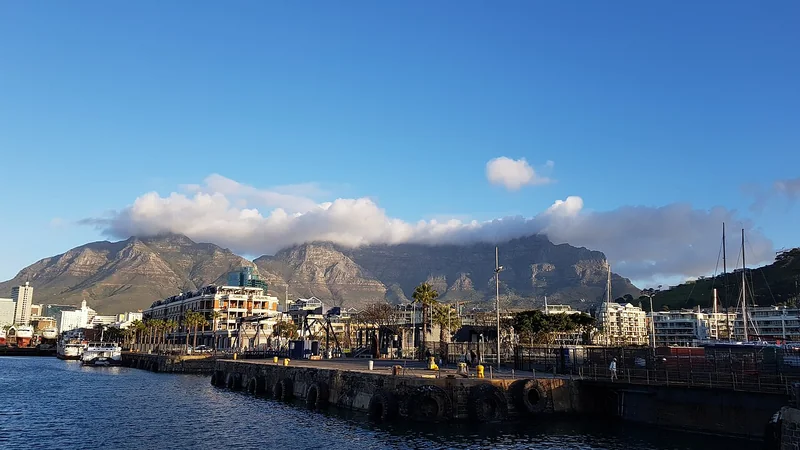
Cape Town's landmarks sit in different parts of a large city. The V&A Waterfront, Table Mountain's lower cableway station and Kirstenbosch are separate destinations, each with its own transport requirement. A useful three-day plan starts by allocating those journeys. It then leaves room to move the mountain visit when wind or visibility makes another activity more sensible.
Our route gives the waterfront a day, combines a cableway block with the central city, and reserves a substantial part of the third day for Kirstenbosch. Robben Island can be the main waterfront-day booking. If you prefer an art museum or a slower harbour visit, make that choice before buying tickets. Three days are a first city visit; Cape Peninsula and Winelands excursions would require a different allocation.
This is an editorial route using official visitor information. It is not a guaranteed timetable. The South Africa collection keeps the guide connected with its destination rather than presenting it as a self-contained package tour.
| Day | Main area | Suggested arrangement | What controls the order |
|---|---|---|---|
| 1 | V&A Waterfront | Robben Island if booked, then harbour time | Ferry booking and operating conditions |
| 2 | Table Mountain and central city | Cableway block plus one city area | Live cableway status and visibility |
| 3 | Kirstenbosch | Garden paths, planting collections and a relaxed return | Weather, gradients and transport |
Day one: make the waterfront more than a waiting room
Start at the V&A Waterfront with a clear main activity. If Robben Island is central to your visit, book the appropriate tour and follow its check-in instructions. The museum describes its standard tour as roughly three and a half to four hours, including the ferry crossings. That is a substantial part of the day, even before reaching the departure point and allowing time afterwards.
Read the product name carefully. A standard tour, a longer walking tour and any special departure are different commitments. Keep the booking confirmation and identity documents requested by the operator ready. Confirm the operating notice before travelling to the gateway, since a reservation does not override adverse conditions or an operational cancellation.
After the return, leave the remaining time for a meal and the waterfront itself. Walk a manageable section of the harbour area and choose where you want to finish. Booking a second major attraction immediately after the advertised ferry return makes the day vulnerable to delays. A later reservation with flexible conditions gives you more room than an itinerary assembled from minimum sightseeing times.
If you choose a museum instead of Robben Island
For an art-focused waterfront day, choose Zeitz MOCAA in the Silo District. From the Clock Tower and Nelson Mandela Gateway area, continue into the Silo District for the museum as the main interior. Cape Town Tourism identifies its focus on contemporary African art. Check the exhibition programme, then leave time for the surrounding public waterfront. Use this as an alternative to the Robben Island block.
Treat evening transport as part of the plan. Cape Town Tourism advises visitors to avoid deserted or dark places and to seek local advice about where to go after dusk. A short-looking line on a map is not sufficient evidence for a suitable walk. Arrange a recognised transport service when needed and check the collection details before leaving a restaurant or museum.
Day two: Table Mountain by cableway
Check Table Mountain Aerial Cableway's live operating information before leaving your accommodation. The operator explicitly makes service dependent on weather, including strong winds. An advertised opening time describes the intended schedule; it does not establish that the cable cars are running that morning. Visibility can also affect the kind of visit you want, even when a service operates.
Read the chosen ticket's validity and change conditions before paying. Flexibility in our itinerary is an allocation of time, not a promise of a refund or a free date change. Avoid buying another non-refundable appointment immediately afterwards. Allow for the journey to the lower station, boarding arrangements and the return, as well as the time spent on top.
At the upper station, follow the designated visitor paths and the operator's instructions. The cableway visit described here is separate from a mountain hike. A marked line on an app does not make a walking descent an appropriate substitute if the cableway changes operations. Anyone planning a hike needs route-specific preparation, appropriate conditions and current safety guidance beyond this city itinerary.
A central-city afternoon with one clear focus
After the mountain block, choose one central-city area. The Company’s Garden is a possible focus for an outdoor visit; a museum can provide a more substantial indoor afternoon. Make the choice according to the remaining time and your interests. Avoid turning the return from the mountain into a succession of hurried stops simply because they appear on the same city map.
If the cableway is unavailable, use a city visit first. Retain a later mountain window only if the current status, ticket conditions and return arrangements support it. Keep the fallback useful even if the mountain never clears.
Use the culture and history collection when comparing city visits with an emphasis on museums and public spaces. For Cape Town itself, make a short list of two suitable institutions before arrival. Confirm opening days and the actual exhibition you would see, so the alternative is ready when you need it.
Day three: Kirstenbosch as a garden visit
Kirstenbosch sits against the eastern slopes of Table Mountain. SANBI's visitor information places it outside the central-city sightseeing loop and explains several arrival options. Arrange the journey there and back before setting out. The garden deserves a morning or afternoon of its own, with time to examine planting collections and choose paths suited to the group.
Use the garden map to build a route from your actual entrance. A visitor interested in water-wise planting may choose differently from someone seeking an open lawn and a short walk. The conservatory and particular collections have their own access and operating information. A programme listing for an event does not mean the same activity runs on every day of your visit.
Keep the garden itinerary separate from a mountain excursion. Trails leading beyond the cultivated garden involve another level of route planning and preparedness. This three-day city route does not require a summit walk or an improvised traverse. Staying within suitable garden paths is a complete outing, especially after the transport and sightseeing of the first two days.
Gradients, access and travelling with children
SANBI cautions that Kirstenbosch has steep gradients and that not all areas are wheelchair accessible. Its accessible facilities do not make every garden path step-free. Review the accessibility map for the particular gate and areas you want to use, and contact the garden if you need assistance or a specific drop-off arrangement.
The same distinction applies elsewhere in Cape Town. Ask each operator about the exact part of a visit you plan to book. A cable car, boat or museum may have different arrangements for boarding, toilets and moving around on arrival. State the requirements when reserving; a generic accessible symbol cannot answer every practical question.
With children, choose one substantial paid activity per day and place a meal or rest around it. Bring what the child needs for the whole ferry or garden block, while observing the operator's bag rules. A missed departure cannot usually be solved by shortening the later walk. For a shorter outing, retain the waterfront and a garden visit, then treat the mountain as an optional opportunity.
Transport, personal security and what to leave for another trip
Cape Town Tourism's safety guidance supports planning routes, securing valuables and using accredited transport. Keep your phone and wallet put away when they are not needed, and do not accept unsolicited help at cash machines. Ask your accommodation about current local conditions and suitable collection points. These precautions reduce avoidable exposure; they do not guarantee that any district is risk-free.
Compare transport by the actual journeys in your plan. Three days of the waterfront, mountain and garden do not automatically require a rental car. A booked service or suitable scheduled sightseeing transport may fit, but verify the current stops and last departure. If driving, assess parking, the route and your experience of local road conditions before committing.
Leave Cape Point, a broad peninsula circuit and the Winelands for additional days or replace one of the three city days with a specifically researched excursion. The travel planning guides can help you compare the shape of different trips. In Cape Town, the most useful extra day often provides room for weather and travel between areas, without forcing unrelated experiences into a single afternoon.
Frequently asked questions
Is three days enough for Cape Town?
It is enough for a first visit focused on the waterfront, a Table Mountain cableway opportunity and Kirstenbosch. It does not include a full Cape Peninsula circuit or the Winelands. Add days for those excursions and for a wider weather margin.
Can I rely on the Table Mountain cableway operating?
No. The operator makes service dependent on weather, including wind. Check live status before travelling and read the conditions attached to your ticket. Keep a city alternative available. A cableway ticket does not make a mountain hike a suitable fallback.
How much time does Robben Island need?
The museum describes the standard tour as approximately three and a half to four hours including both ferry journeys. Add time for reaching the departure point and completing check-in. Other tour formats can be longer, so check the exact product you book.
Is every part of Kirstenbosch accessible without steps?
No. SANBI provides accessibility information but notes steep gradients and areas that are unsuitable for wheelchairs. Use the garden's access map and discuss your intended route and entrance with staff when needed. Accessible visitor facilities do not establish access to every path.
Sources and checks
- Cape Town Tourism: Table MountainChecked: 26 October 2026
- Table Mountain Aerial Cableway: operational guidanceChecked: 26 October 2026
- Robben Island Museum: frequently asked questionsChecked: 26 October 2026
- SANBI: Kirstenbosch visitor informationChecked: 26 October 2026
- City of Cape Town: museums and heritage sitesChecked: 26 October 2026
- Cape Town Tourism: visitor safetyChecked: 26 October 2026
- V&A Waterfront: precincts and developmentChecked: 26 October 2026
- Cape Town Tourism: Zeitz MOCAAChecked: 26 October 2026
Itineraries are editorial suggestions for independent visits. Check current prices, opening hours and trail conditions with official providers.