At a glance
Amsterdam makes a rewarding winter city break if you combine short canal walks with indoor visits you genuinely want to make. Give each day one main museum or attraction, then use brighter, drier spells to explore nearby streets. Rain, wind and early darkness are easier to manage when you can shorten a walk or return to your accommodation. Check official forecasts, transport information and booking arrangements before travelling, and treat seasonal events as additions to your plans.
What should you expect from Amsterdam in midwinter?
Damp and wind can matter more than temperature alone. A walk that feels comfortable between sheltered streets may become tiring beside open water, particularly once gloves or shoes are wet. Snow and frozen canals are possibilities, not a reliable reason to book.
Use the brighter part of the day for canal views and neighbourhood walks. As the afternoon fades, an exhibition, meal or quiet indoor break gives the day a natural change of pace. Check KNMI before departure and during your stay, paying attention to wind and warnings as well as rain.
You need a few firm plans, but little is gained by organising every hour. The Amsterdam destination guide gives broader context for choosing areas to explore. Once there, let conditions and your energy decide how much ground you cover.
How do you build a day that survives bad weather?
Start with one substantial indoor visit, then add a manageable walk nearby. Work out where you might eat and how you would get back to your accommodation. This gives the day enough shape without making its success depend on hours outdoors.
Keep two ways of reaching the same destination. In comfortable weather, walk through the canal belt towards your museum. In persistent rain, use public transport for more of the journey and save the canals for later. Allow time to find entrances, leave coats and settle in.
The Amsterdam two-day itinerary can help you arrange the main sights. For winter, leave generous gaps between them. An unhurried lunch or a return for dry socks may improve the afternoon more than another stop squeezed into the schedule.
| Conditions or problem | Practical adjustment | Check before leaving |
|---|---|---|
| Persistent rain | Move your indoor visit earlier if possible | Booking flexibility and entry availability |
| Strong wind | Shorten exposed canal walks | Forecast warnings and transport updates |
| A clear daylight spell | Walk a compact canal loop | Distance to your next indoor stop |
| Wet shoes or cold hands | Return to dry off | Easiest route to your accommodation |
| Your preferred museum is full | Choose a nearby alternative | Official availability and admission arrangements |
| Early darkness | Keep evening plans close together | Walking route and return transport |
Which museums make good winter anchors?
Choose according to your interests and attention span. The Rijksmuseum suits a substantial visit covering art and history; the Van Gogh Museum offers a more concentrated focus on one artist. The Anne Frank House calls for time and emotional attention. Leave space afterwards to absorb the visit.
Check each institution’s own information before booking. Confirm admission arrangements, accessibility, bag restrictions and any timed-entry requirements. If you are considering a city pass, establish how reservations work for your chosen attractions. Holding a pass does not necessarily settle every entry arrangement.
You do not have to see every room. Pick a few collections or themes, pause when your concentration slips and finish while you are still enjoying yourself. Standing indoors for hours can be tiring, especially after a morning of travelling or walking.
Keep one alternative in mind in case your first choice is unavailable. Official city and tourism information can help you find smaller museums and exhibitions. Check the venue’s details before setting out, rather than crossing the city on the strength of an old recommendation.
How can you enjoy the canals comfortably?
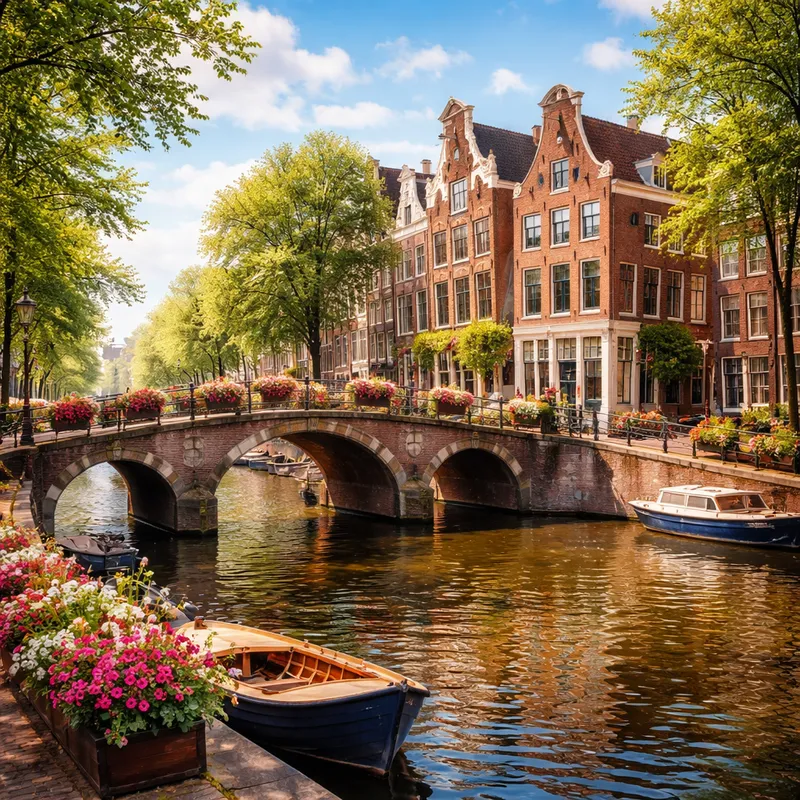
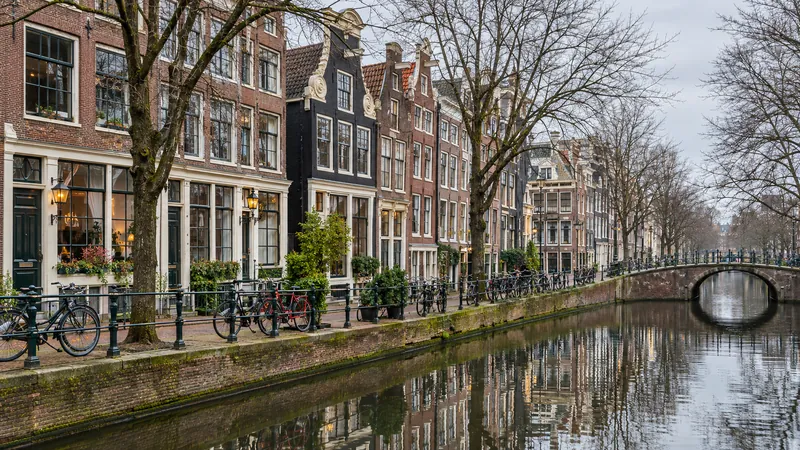
Choose a small area and give yourself permission to stop early. Crossing a few bridges, looking at house fronts and watching reflections change can make a satisfying walk. There is no need to follow a long route simply because it appears on a sightseeing map.
A loop near your next indoor stop is useful. Before leaving, identify a place where you could finish early and catch transport back. In a group, agree on the shorter version first; it is easier to extend a pleasant walk than persuade someone cold to continue.
Take care on wet paving, bridge slopes and canal edges. Step aside for photographs and check directions somewhere sheltered, clear of cycle lanes. After dark, favour streets where you can see your footing. Leave before becoming thoroughly chilled.
Is a canal cruise worthwhile in winter?
A cruise can give your feet a rest while keeping the canals central to the day. Comfort depends on the particular boat and departure, so check whether the vessel is enclosed, what facilities are described and where passengers wait to board. Consider the walk to the departure point too.
Daylight is useful for seeing architectural details; an evening trip offers a different view of bridges and illuminated windows. Rain on the glass and cabin reflections may affect visibility and photographs. Choose a cruise because you want that slower view from the water, with expectations suited to the conditions.
If anyone in your party needs step-free access, ask about boarding the specific vessel before paying. A general description of the cruise may not answer practical questions about steps, seating or space for mobility equipment.
Should seasonal lights shape your trip?
Seasonal light events can be a pleasant addition, but confirm that they overlap your stay before arranging an evening around them. Dates, routes and access arrangements can change. Begin with I amsterdam’s official information and follow its guidance to the relevant organiser for current details.
Keep the rest of the evening straightforward. Find out how much walking is involved, choose somewhere convenient for dinner and understand the return journey. If you have spent the afternoon outdoors already, a further long walk after dark may be less appealing than it sounded when booking.
What is the easiest way to get around?
Combine walking with public transport according to the journeys you actually expect to make. A pass may suit your plans, but check current ticket and payment arrangements before choosing. Use official city information to reach the relevant operator’s guidance, including service changes.
Allow extra time in rain. Finding the right stop, crossing unfamiliar streets and putting away a wet umbrella all slow a journey slightly. Save your accommodation’s full address and nearby stop names offline so you can find your way if your battery runs low.
Cycling is optional. If you are unfamiliar with Amsterdam traffic, wet surfaces and navigating in reduced visibility can make it demanding. Walking and public transport are a comfortable combination. Watch for cycle lanes, look carefully before crossing and keep luggage clear of passing riders.
For arrival and onward travel, check current information with NS and any other operator responsible for your journey. International trips may involve separate reservation arrangements or disruption notices. Leave a comfortable margin between arrival and a timed attraction, particularly when changing trains.
Where should you stay for an easier winter break?
A convenient base makes a noticeable difference when you need dry clothes or a rest. Look at the actual journeys between your accommodation and your priority sights. Check the walk from the nearest stop, rather than judging convenience by a central-looking pin on a map.
Consider stairs, luggage and accessibility needs before booking. Being able to return easily is useful, but so is having somewhere suitable to eat nearby. On a wet evening, a straightforward dinner close to your room may be all you want.
Ask about arrangements that matter to your stay, such as luggage storage before check-in. Bring a separate bag for damp items and leave enough room to hang clothing overnight. Packing several bulky coats is less useful than having layers you can adjust.
Check recent accommodation information for practical details about heating and ventilation. Avoid assuming that a room will have somewhere suitable to dry soaked footwear. Starting the next morning with dry shoes can make more difference than being a few streets closer to a landmark.
Are winter day trips a good idea?
Take a day trip because you want to see the place, rather than as an automatic response to rain. Another Dutch city may have similar conditions, with extra journeys between stations, attractions and shelter. Give the outing one clear purpose and check the return options.
The Utrecht two-day itinerary can help you decide whether Utrecht merits its own stay or a shorter visit. Be realistic about how much you want to fit between the outward and return journeys.
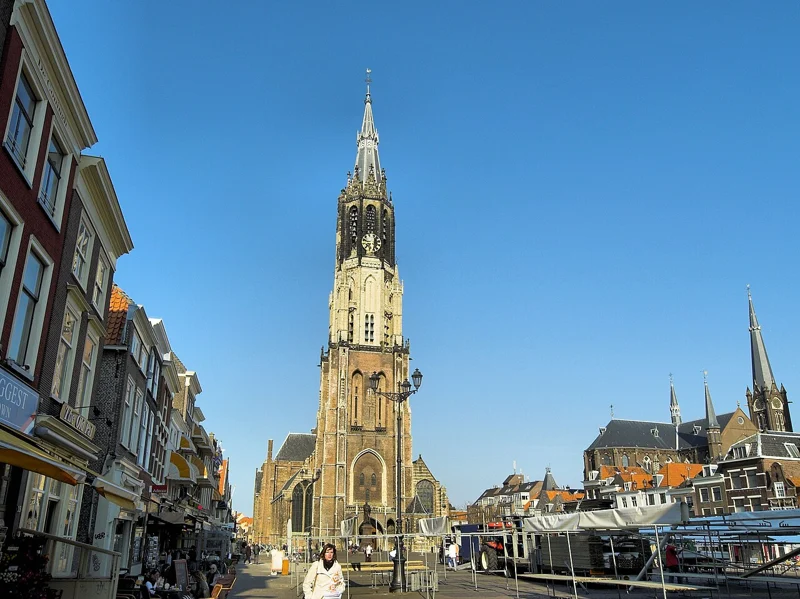
Similarly, the Delft two-day itinerary offers context for planning a visit with enough time to enjoy it. Check current rail information before committing. If your Amsterdam stay is short, preserving a comfortable daylight spell for the canals may matter more than adding another destination.
In short
Plan Amsterdam in winter around one main indoor visit each day, with nearby canal walks when conditions suit. Keep journeys manageable, leave time for meals and breaks, and check official information close to travel. A flexible day gives you room to enjoy the city even when the weather changes.
Frequently asked questions
Is Amsterdam worth visiting in winter?
Yes, especially if you enjoy museums, architecture and time indoors between walks. Plan around a few priorities and keep outdoor sightseeing flexible. You can have a satisfying visit without spending the whole day outside.
Can you expect to skate on the canals?
No. Do not build your trip around frozen canals or assume ice is safe because other people are using it. Follow explicit local safety guidance if freezing conditions occur.
Should you book museums before arriving?
Check booking arrangements before departure and reserve the visit you would most regret missing. Leave enough time around it for travel and meals, and check cancellation or change conditions before paying.
What should you pack for a winter visit?
Bring a weather-resistant outer layer, comfortable shoes with grip, gloves and layers that are easy to remove indoors. Protect your phone and essentials from rain. Spare socks are useful, as is a way to separate damp clothing.
Sources and checks
- I amsterdam, official city siteChecked: 15 November 2026
- Netherlands Board of Tourism, Holland.comChecked: 15 November 2026
- KNMI, Dutch weather serviceChecked: 15 November 2026
- NS, Dutch railwaysChecked: 15 November 2026
Itineraries are editorial suggestions for independent visits. Check current prices, opening hours and trail conditions with official providers.