At a glance
Warsaw works well for a winter city break if you balance outdoor sightseeing with museums, warm meals and public transport. Give the reconstructed Old Town and the modern centre separate time, with a walk between them when conditions suit. Pack for wet pavements, wind and possible ice, treating snow as a bonus. A flexible schedule makes the trip worthwhile even when long walks lose their appeal.
What should you expect from Warsaw in midwinter?
Weather shapes the pace of a winter visit. Rain, slush and frost call for different decisions about routes and footwear. Check IMGW, the Polish weather service listed below, before departure and during your stay, then assess the pavement outside before committing to a longer walk.
Give the brighter part of the day to streets and squares you particularly want to see. Save museums and leisurely meals for later where opening arrangements allow. An evening stroll can be enjoyable, but leave yourself daylight to appreciate unfamiliar surroundings and find your bearings.
One substantial museum, one connected walking area and a proper lunch make a manageable day. Keep something optional at the end, so returning early feels like a sensible choice.
What should you wear for walking and going indoors?
Layers help when moving repeatedly between cold streets and heated interiors. Choose a warm middle layer and an outer layer that handles wind and moisture. Carry gloves, a hat and a scarf, even if the first few minutes outdoors feel comfortable.
Bring shoes or boots with dependable grip, space for comfortable socks and some resistance to water. Uneven paving deserves care when wet or icy. Spare socks are useful if your footwear leaks; a second pair of shoes also gives damp footwear time to dry overnight.
Keep your bag light, with room for gloves indoors. Charge your phone before leaving and protect it between navigation checks. A small umbrella helps in rain, although strong wind can make it awkward.
How do you connect the Old Town with the modern centre?
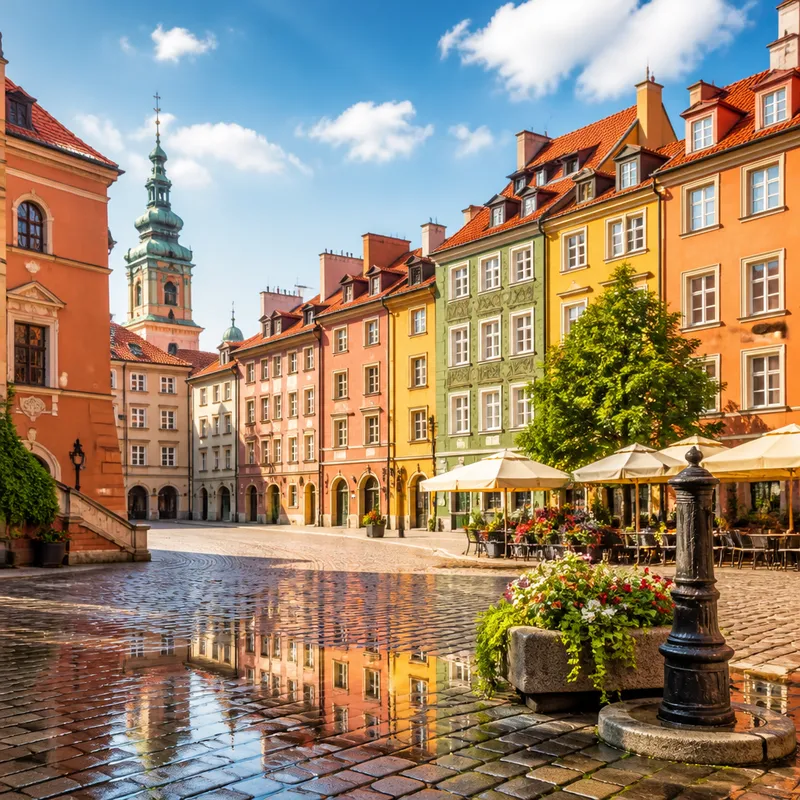
Treat them as two walking areas, with an optional walk between them. In the Old Town, slow down around the squares and smaller streets. Its reconstruction forms part of its historical significance, so some background reading adds depth to the colourful façades.
Krakowskie Przedmieście and Nowy Świat provide a useful route towards central Warsaw. Walk as much as feels enjoyable, breaking the journey for lunch or coffee. You can appreciate the changing streetscape without completing every section on foot.
Around the Palace of Culture and Science, broader roads, larger buildings and busy transport connections change the experience. Allow time for crossings and check which side of the road you need before setting off.
The Warsaw three-day itinerary offers a broader sightseeing sequence. Adjust its walking sections to winter conditions, keeping your favourite places as priorities and treating the rest as options.
How can you adjust a day when conditions change?
Before a longer outdoor section, consider the pavement, the wind and your comfort. A forecast helps you prepare, but damp socks or tired feet are good reasons to change course. Agree on this with travelling companions before anyone becomes miserable.
Keep an indoor alternative near your intended route. Changing plans is easier when the replacement does not require another lengthy journey. Check admission arrangements beforehand if that alternative is a museum.
Leave space around reservations. A museum booking followed closely by dinner across town becomes awkward when you need to walk slowly. Keep consecutive commitments close together, allowing for collecting coats and finding exits.
| Situation | Useful adjustment | Check before proceeding |
|---|---|---|
| Comfortable walking conditions | Explore one connected area | Daylight and return route |
| Rain or wet snow | Bring the museum visit forward | Admission and cloakroom arrangements |
| Slippery paving | Shorten the walk | Grip and alternative approaches |
| Uncomfortable wind | Take transport between areas | Stop position and service notices |
| Damp or tired feet | Pause for a seated meal | A convenient nearby option |
| Darkness during sightseeing | Choose an indoor stop | Closing time and last admission |
Which museums make useful winter anchors?
Choose a subject that interests you before deciding where to spend an afternoon. The Museum of Warsaw, POLIN Museum of the History of Polish Jews, the Warsaw Rising Museum and the National Museum in Warsaw are starting points for different interests.
Check each institution’s current visitor information for opening days, admission, temporary exhibitions and accessibility. Consider the scope of the visit too: a large museum may deserve most of your available indoor time. Avoid assuming you can fit several substantial collections into one afternoon.
Historical exhibitions can be demanding. Leave room afterwards for a quiet meal or a short walk. Companions with different interests might agree on one shared museum, then spend some time separately.
Poland Travel’s Warsaw page, listed below, provides an official starting point for attraction research. Confirm details with the institution before fixing your plans; a destination overview cannot establish admission arrangements for your dates.
How can food stops make sightseeing easier?
Plan lunch within the area you are exploring. Crossing town for every meal adds effort when you are cold. Read the menu before sitting down and choose somewhere that suits your appetite, budget and need for a rest.
Soups, pierogi and stews can be welcome during a winter visit, but ingredients and portions vary. Ask about fillings, stocks and toppings if you have dietary requirements. A vegetable filling alone does not establish how the whole dish is prepared.
A milk bar may suit a straightforward meal. Take a moment to understand the ordering arrangements, which differ between establishments. For an evening restaurant you particularly want to try, confirm reservation arrangements directly.
Carry a small snack for museum days. It gives you breathing room if an exhibition takes longer than expected. Eat before becoming uncomfortable, especially when the next outdoor section has few convenient stopping places.
How should you handle public transport and arrival?
Use buses, trams and the metro to save walking energy for the places you want to explore. Check the return journey too, including the final walk to your accommodation. A convenient outward route does not settle every later connection.
Before travelling, consult Warsaw’s official transport information for current ticket zones, validity and activation or validation instructions. Confirm train coverage separately. Save the relevant instructions so they are easy to find when buying or using a ticket.
For a rail arrival, check the station named on your booking and your onward connection. PKP, listed below, is a starting point for rail planning; confirm service details with the operator identified for your journey. Allow time to find the right exit with luggage.
If flying, confirm the exact airport before planning the transfer. Save your accommodation address, entrance details and arrival instructions offline. These are useful when you are tired and navigating with gloves on.
Where should you stay for a winter break?
Choose a base by the journeys it makes easier. An Old Town address may appeal if you want historic streets nearby. A central location with useful transport connections may simplify arrival, museum visits and evenings out.
Check the actual approach to the property rather than relying on a neighbourhood name. Look for stairs, crossings and the distance from your likely stop. Confirm step-free access directly if needed, including any limitations inside the building.
Heating, reception arrangements and luggage storage deserve attention too. Leaving bags can make arrival and departure days easier to use. Check key collection arrangements if reaching Warsaw late, and keep the property’s contact details available offline.
The Warsaw destination guide gives wider neighbourhood and sightseeing context. Compare it with a map of your priorities, including where you expect to finish your evenings, before choosing accommodation.
Does adding another Polish city make sense?
An extra destination works best when you have a clear reason and enough time. Count the full transfer: packing, reaching the station, travelling and finding your next accommodation. Compare that effort with what another settled day in Warsaw would offer.
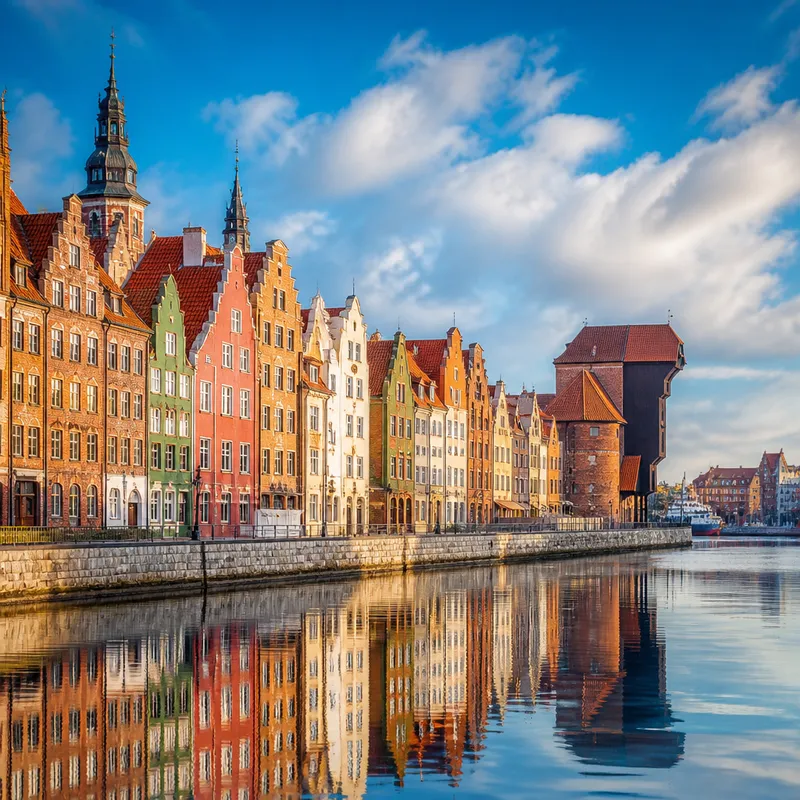
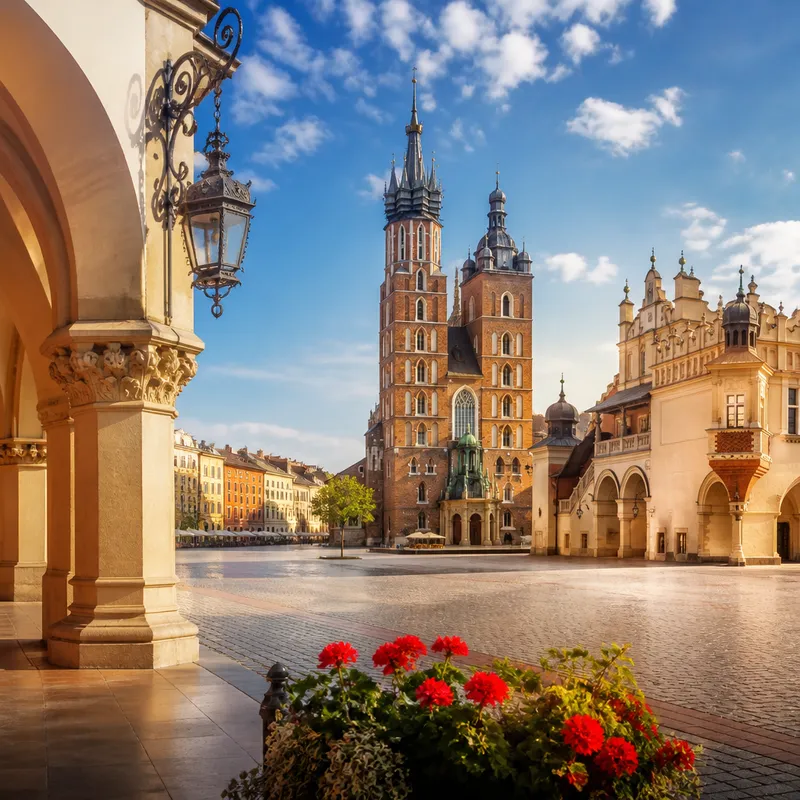
The Kraków three-day itinerary can help you consider another inland stop. For a northern extension, explore the Gdańsk two-day itinerary. Check current rail connections before deciding the order, without assuming similar distances mean similar journeys.
Keep the second city’s arrival afternoon fairly open, particularly if you will carry luggage until check-in. Avoid making several bookings depend on a tight connection. For a short break, staying longer in one place often gives you more freedom to respond to conditions.
In short
Build your Warsaw winter break around a few places you want to spend time, with warm stops within reach. Give the Old Town and modern centre their own space, and use transport when walking becomes uncomfortable. Check official weather, attraction and travel information close to departure. A flexible day leaves room to enjoy what catches your attention.
Frequently asked questions
Is Warsaw worth visiting in winter without snow?
Yes. Museums, food and contrasting neighbourhoods give the trip purpose without snowfall. Choose activities you would enjoy on an ordinary winter day, with outdoor sightseeing fitted around conditions.
Can you walk between the Old Town and the centre?
Yes, though comfort depends on your route and conditions. Break the walk with a warm stop or use transport for part of it. Leave energy to explore when you arrive.
Should you book museums before travelling?
Check each priority museum’s arrangements. Timed admission, exhibitions and holiday opening patterns may affect your plans. Book where necessary, allowing space around the visit for travel, meals and collecting coats.
Is public transport useful during a short stay?
Yes, especially between separate walking areas. Check ticket validity, zones and validation instructions before boarding. If your route includes a train, confirm that your ticket covers that particular service.
Sources and checks
- Poland Travel: WarsawChecked: 15 November 2026
- Poland Travel, official siteChecked: 15 November 2026
- IMGW, Polish weather serviceChecked: 15 November 2026
- PKPChecked: 15 November 2026
Itineraries are editorial suggestions for independent visits. Check current prices, opening hours and trail conditions with official providers.