At a glance
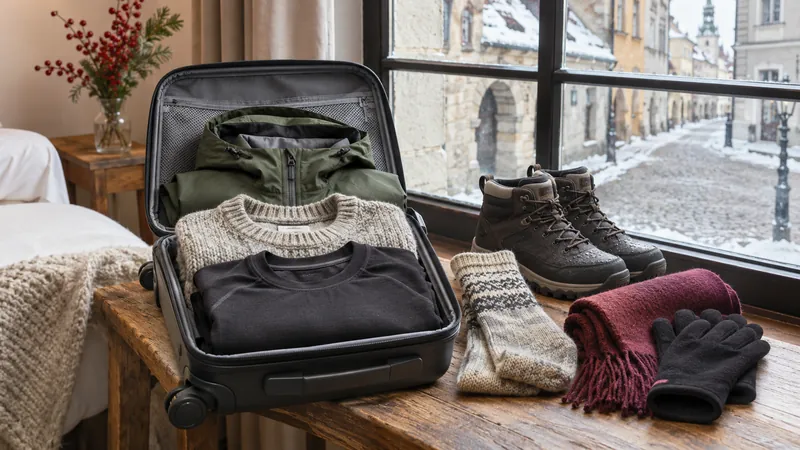
For a winter city break in Vienna, pack thin, adjustable layers, a coat suited to the city forecast and familiar shoes that cope with wet streets. Add a hat, gloves and a compact bag with space for layers you remove indoors. For three nights, repeat your outerwear and trousers, bringing fresh underwear and a few interchangeable tops rather than a separate outfit for every day.
What should you check before packing for Vienna?
Start with your actual plans. Walking around the Innere Stadt, crossing open spaces near the Ringstrasse and waiting at a tram stop involve different amounts of movement. You may feel warm on a brisk walk, then cool down while standing outside. Pack for both, including the journey back after dinner.
Check GeoSphere Austria for Vienna’s city forecast, including rain, wind and any warnings, then check again before departure. Mountain resort conditions do not tell you what to wear on Vienna’s pavements. Avoid choosing your entire wardrobe from a seasonal label: the forecast should decide whether you need extra insulation, stronger rain protection or both.
Look through your bookings for time spent outdoors and any stated dress requirements. The two-day Vienna itinerary can help you judge the walking between stops. Use that to choose clothes, without packing a different outfit for each attraction.
How do you layer for cold streets and warm interiors?
Aim for three jobs: a comfortable layer next to your skin, a middle layer that holds warmth and an outer layer that protects against the weather. Each piece should work with the others. Test the whole outfit at home, including your scarf and bag, before deciding it fits comfortably.
Which base layers are useful?
A thin merino or quick-drying synthetic top works well beneath a jumper. Bring two or three tops for a short stay, depending on how readily you can air and reuse them. Cotton can be comfortable indoors, but a sweaty cotton top dries slowly and may feel chilly when you head outside again.
Thermal leggings are useful if you feel the cold or expect long outdoor stretches. Try them beneath your chosen trousers first. A tight waistband or restricted knees will become irritating during a day of walking, however warm the fabric feels initially.
What should the middle and outer layers do?
Choose a jumper, cardigan or fleece that leaves room to move beneath your coat. A zipped layer is convenient when you step into a heated carriage or café. Two middle layers in total usually give enough choice for three nights; wearing one on the journey saves bag space.
Your coat needs to suit the forecast. A waterproof outer layer over insulation is useful for sustained rain; an insulated coat may suit colder conditions if it provides the weather protection you need. Check the hood, cuffs and collar. You should be able to turn your head and reach into your bag without pulling everything out of position.
What belongs in a bag for three nights?
Build around clothes you already enjoy wearing together. Two or three compatible colours make repeating outfits straightforward. Your coat and shoes will appear in most outdoor photographs anyway, so extra jumpers rarely transform the trip enough to justify their bulk.
Adjust quantities to your habits and accommodation. If you expect to wash anything, check whether it can dry before departure. Do not build a tight packing plan around drying heavy denim overnight. Include sleepwear, small toiletries and any personal essentials alongside the table’s clothing basics.
Give damp items somewhere separate to go. A lightweight washable bag can keep wet socks or a rain-soaked umbrella away from clean clothes during the journey home. Once you reach your accommodation, unpack damp things promptly rather than leaving them sealed inside your luggage. For a short stay, this small routine is often more useful than bringing several backup outfits. Keep a little space for the return journey, when hurried packing rarely looks as neat as it did at home.
| Item | Role | Why it helps in Vienna winter | Pack or wear |
|---|---|---|---|
| Forecast-appropriate coat | Weather protection | Covers walking and waiting outside | Wear |
| Two middle layers | Adjustable warmth | Easy to remove in heated interiors | Wear one, pack one |
| Two or three base tops | Comfortable foundation | Allows a fresh top without bulky outfits | Wear one, pack others |
| Two pairs of trousers | Everyday clothing and backup | Gives an alternative if one gets wet | Wear one, pack one |
| Familiar weather-resistant shoes | Walking comfort | Helps with wet paving and station approaches | Wear |
| Daily underwear and socks, plus spare socks | Freshness and dry feet | Spare socks help after a damp walk | Pack |
| Hat, scarf and gloves | Extra warmth | Useful during exposed walks and waits | Keep accessible |
| Compact zipped day bag | Daily essentials | Holds tickets, water and removed layers | Carry |
Which shoes make sense for Vienna’s winter streets?
Wear shoes or ankle boots you have already tested on a proper walk. Check them with the socks you will take: toes need room to move, heels should stay secure and the sole should have useful tread. Thick socks cannot fix a poor fit, and squeezing in another pair can make things worse.
Think about wet paving, crossings, station steps and the occasional slippery entrance. Water-resistant footwear may be enough for brief showers; persistent rain calls for better protection. Even waterproof boots can let water in around the ankle, so check how your trouser hems sit over them.
No ordinary shoe guarantees grip on ice. Slow down, use handrails and change your route when a surface looks unsafe. A tram or underground journey can also spare your feet when a longer walk becomes uncomfortable.
A second pair is optional. Pack one if you need an indoor alternative while your main shoes dry, or a booking calls for it. Otherwise, one dependable pair saves considerable space. Loosen damp shoes and let them air according to their care instructions; avoid relying on direct radiator heat.
What should stay in your day bag?
Choose a zipped bag that sits comfortably over your coat. Test the straps with winter clothing, and leave room for your hat, scarf and gloves when you go indoors. A bag filled to the top before breakfast becomes awkward as soon as you remove a layer.
Carry your phone, a charging cable, a charged power bank, tissues, lip balm and medicines needed during the day. Add a small water bottle and a compact umbrella if rain is forecast. Keep tickets and payment cards accessible without leaving your bag open while you search through it.
A hood is useful when an umbrella becomes awkward in wind or crowds. Gloves that let you operate your phone can make checking directions easier, but warmth and fit matter more than a clever feature. Keep small items in one pouch so they do not disappear beneath spare clothing.
How should you pack for arrival and getting around?
Put your travel documents, accommodation address and first journey details somewhere you can reach without opening your main case. Save bookings for offline access and keep essential information separately from your phone. A flat battery should not leave you unable to find your accommodation.
For rail arrivals, check ÖBB for your booked service and any journey updates. Use the Vienna Tourist Board’s travel information for arrival options and getting around, checking relevant operator information before travelling. Keep these checks separate from the weather forecast: transport arrangements and clothing needs answer different questions.
A manageable case is easier to lift, wheel and store, particularly when wearing gloves or carrying a coat. Check your carrier’s baggage allowance before choosing the bag. The Vienna destination guide provides broader trip context; keep only the practical details you need for arrival readily available.
How can you reduce luggage without losing useful protection?
Lay everything out before packing and remove duplicates with no clear job. One scarf that works with both jumpers is more useful than several alternatives. For dinner, a fresh top or small accessory often provides enough change; check any specific dress requirement attached to your booking.
This approach suits short city breaks, where the same outfit often covers walking, lunch and an evening indoors. Keep the spare trousers and socks before adding another bulky knit. They solve more practical problems if something gets wet.
Bring regular medicines in suitable packaging, essential document details and any adaptor your devices require. Check applicable travel requirements through official guidance. Good travel planning also means leaving enough space to close your case comfortably, rather than squeezing out an essential layer to meet an arbitrary packing target.
In short
Pack for Vienna’s city forecast and the time you will actually spend outside. Choose adjustable layers, comfortable shoes for wet streets and a compact bag with spare room. Keep arrival details accessible, check official travel information and give every extra item a practical reason to come along.
Frequently asked questions
Is a cabin bag enough for three nights in Vienna?
Usually, if you repeat outerwear and wear your bulkiest shoes while travelling. Check your carrier’s current bag dimensions and weight allowance, then test the packed bag before departure.
Do I need thermal leggings for Vienna?
Let the city forecast, your sensitivity to cold and your outdoor plans decide. They help during colder spells or prolonged standing, but can feel excessive during a mostly indoor day.
Can I wear trainers in Vienna in winter?
Familiar trainers can work in dry conditions if they are warm enough. Check water resistance and tread before relying on them for wet streets, and choose more protective footwear when conditions warrant it.
Should I pack a separate evening outfit?
Only if your bookings or preferences call for one. A clean top with your usual trousers often works, while a specific dress requirement deserves space in your bag.
Sources and checks
- Vienna Tourist BoardChecked: 15 November 2026
- Vienna Tourist Board: travel informationChecked: 15 November 2026
- GeoSphere Austria: weather forecast map and tableChecked: 15 November 2026
- ÖBB, Austrian Federal RailwaysChecked: 15 November 2026
- City of Vienna, English siteChecked: 15 November 2026
Itineraries are editorial suggestions for independent visits. Check current prices, opening hours and trail conditions with official providers.