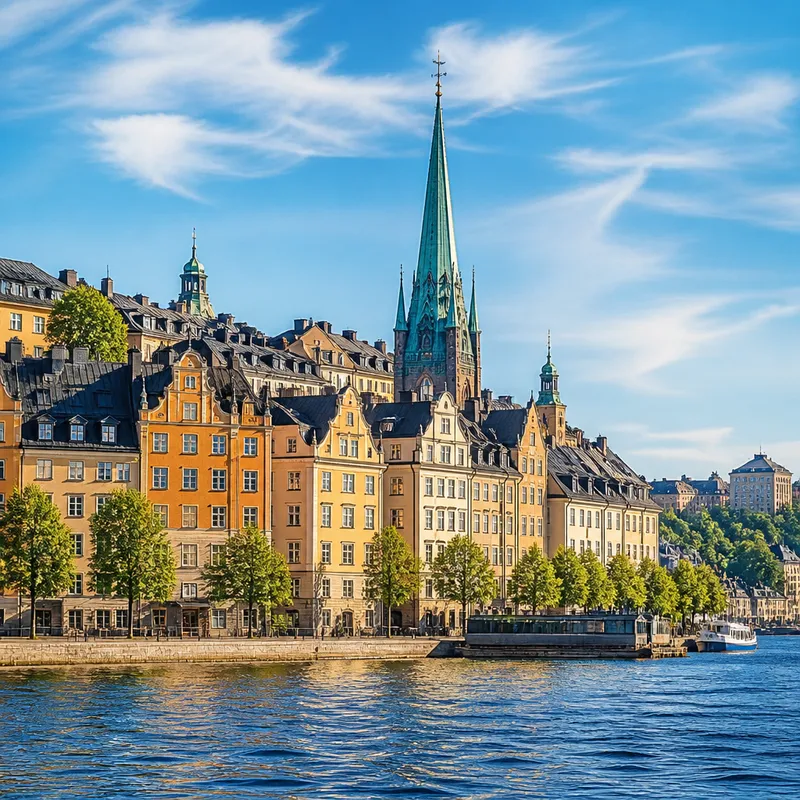
At a glance
Stockholm makes a rewarding winter city break when you give daylight to walking and leave time for museums, cafés and meals indoors. Choose one main area each day, using public transport for longer or uncomfortable stretches. Snow is possible, but wet paving, slush and ice also belong in your plans, so check the forecast close to departure. A few well-chosen visits usually make a better day than trying to cross every island.
What does Stockholm feel like in midwinter?
Water shapes many central outings. A sheltered street can lead onto a bridge where the wind makes you reconsider stopping for photographs. Distances on a map do not show that difference, or how slowly you might walk on uncertain footing.
Darkness changes the rhythm without ending the day. Lit windows, cafés and evening streets have their own appeal, while waterfront views and unfamiliar paths are easier to appreciate earlier. Give the brightest hours to the outdoor experience you most want.
Conditions can change during a walk. Bare paving may give way to compacted snow, slippery steps or thawing slush. Check wind and precipitation as well as temperature, and look at the pavement outside before committing to a long route.
How should you plan around short days?
Start with one outdoor priority and one substantial indoor visit. Gamla Stan followed by a museum can anchor a day; lunch, transport and a warm pause will occupy more time than you expect. Keep additional sights optional.
Check daylight for your travel dates and arrange photography, viewpoints and exploratory walking accordingly. Shopping and dinner fit more easily after dark. A museum can work later too, provided you have checked its opening arrangements.
Use the Stockholm three-day itinerary to organise the main sights, then adjust the pace for winter. Shorten exposed sections and avoid unnecessary journeys across town. Leave room to linger somewhere interesting without making the next booking difficult. If you have only a weekend, choose your essential visits before adding anything else.
How can you enjoy Gamla Stan comfortably?
Begin with a compact walk through the old town, including Stortorget, and decide afterwards whether to continue towards the water. Narrow streets reward attention: doorways, façades and changes in level are easy to miss when you hurry towards another stop.
Cobbles and steps need care, especially where a treated street meets a slippery patch. Keep your hands available for balance and put your phone away on awkward surfaces. Choose a simpler route if a steep shortcut looks doubtful.
Have an indoor pause in mind before setting out, checking that your chosen café or attraction will be open. With children or anyone who cools down quickly, a short loop followed by a comfortable stop often works better than extending the walk.
Which areas suit a winter walk?
Choose an area for what you want to do there: explore historic streets, visit a collection, browse shops or look across the water. Combining everything in one continuous walk can leave you spending much of the day between destinations.
Two contrasting areas may give you a fuller impression than rushed visits to all six. The Stockholm destination guide can help you decide which districts match your interests. Keep an alternative route ready if conditions make your first choice uncomfortable.
| Area | Main appeal | Winter consideration | Practical adjustment |
|---|---|---|---|
| Gamla Stan | Historic streets and squares | Uneven cobbles and steps | Follow a compact loop |
| Norrmalm | Central streets and connections | Busy road crossings | Group errands and café stops |
| Södermalm | Neighbourhood life and viewpoints | Slopes may be slippery | Choose flatter streets |
| Djurgården | Museums and waterside surroundings | Gaps between destinations | Pick one main museum |
| Skeppsholmen | Island views and cultural visits | Exposed bridge approaches | Keep waterfront walking optional |
| Östermalm | Urban streets and food stops | Detours extend outdoor time | Walk around a chosen destination |
When should you take public transport?
Use transport while you still have energy to enjoy the next place. The metro, signposted as Tunnelbana, connects neighbourhoods, while buses and trams may bring you closer to an entrance. Compare the whole journey, including walking at either end.
Stations provide shelter for part of a trip, but entrances and passages can involve considerable walking. Check the most useful exit. With luggage or limited mobility, an easier arrival may justify a slightly longer journey.
Ferries can add another view when the service suits your route. Check SL for current departures, disruptions and ticket validity; sightseeing boats and archipelago services may have different arrangements. Keep a land alternative and avoid relying on the final convenient sailing to reach an important booking.
How do museums and cafés fit into the day?
Choose a museum for its subject, then organise the nearby walk around it. The Vasa Museum, Moderna Museet or another collection can occupy a substantial part of the day. Allow time to look properly, sit down and deal with coats.
Use Visit Stockholm to find attraction information, then confirm opening arrangements, booking requirements and access with the venue. Holiday schedules deserve attention. If an exhibition is the reason for your trip, verify its details before arranging that day.
A café stop serves a different purpose. Fika, the Swedish coffee break, offers a chance to warm up and decide what comes next. Choose somewhere along your route, and budget for regular stops so that needing a seat does not become a difficult decision.
What should you wear and carry?
Dress for moving between cold streets and heated rooms. Layers are easier to adjust than one heavy outfit, particularly during museum visits or busy transport journeys. Bring gloves, a hat and neck protection, with an outer layer suited to the forecast.
Footwear should offer grip, comfort and protection from wet conditions. Leave room for suitable socks, and try new boots before travelling. Spare socks take little space and help if slush gets inside your shoes.
Keep your bag manageable, with space for removed layers and charging equipment. Save essential journey details before leaving your accommodation. If gradients or steps are a concern, check entrances and step-free routes individually; a short map distance does not guarantee an easy approach.
How should you handle arrival and accommodation?
Give arrival day a modest plan. Connections, luggage and finding an unfamiliar address take time, even when the main journey goes smoothly. Reaching your accommodation, eating and taking a short orientation walk can be enough.
For rail journeys, check SJ for connections, reservation arrangements and service information. Allow a sensible margin between separately booked legs. Consult SL for local travel and examine the final walk, especially if you will arrive after dark.
Useful transport and nearby food options can matter more than a picturesque address. Look for slopes, steps and exposed approaches. Confirm luggage storage if your arrival or departure falls outside room access times. Leaving bags somewhere convenient makes those spare hours easier to enjoy.
Should you add another Nordic city?
Count the whole transfer before adding a second city: packing, reaching the departure point, waiting, travelling and finding the next accommodation. A manageable connection can still consume most of a useful sightseeing day.
If Finland is part of your route, the Helsinki two-day itinerary can help you judge how much time to reserve. Check the operator’s current arrangements separately and leave your arrival afternoon flexible, without an essential visit booked immediately afterwards.
For travel through Denmark, consult the Copenhagen two-day itinerary before deciding how many stops fit. Each move adds practical work as well as another destination. On a short winter holiday, another settled day in Stockholm may be more enjoyable than a transfer.
What should you check before setting out?
Use Yr for the forecast close to departure and again during your stay. Look at the timing of precipitation and wind alongside temperature. Then adjust the length and location of walks, keeping an indoor option that you would actually enjoy.
Check SL before journeys, especially when a ferry or an unfamiliar connection is involved. For onward rail travel, consult SJ and review any service messages relevant to your booking. Saved directions are useful, but current information should guide the final decision.
Visit Stockholm is a starting point for seasonal ideas and attraction information. Follow through to the venue’s own details before committing to a visit. Keep booking confirmations accessible and give companions the accommodation address and an agreed meeting place in case you become separated.
In short
Give Stockholm’s winter days a simple shape: a worthwhile walk, an indoor visit and time to warm up. Use daylight for views and exploration, check current services, and take transport when it makes the day easier. A flexible plan works even when snow fails to appear or the waterfront feels too exposed.
Frequently asked questions
Is Stockholm worth visiting in winter without snow?
Yes, particularly if you enjoy museums, neighbourhood walks and cafés. Plan around those interests and treat snow as a possible extra. Suitable footwear and flexible routes help when streets are wet or slushy.
Can you walk everywhere in central Stockholm?
Many central sights are within walking distance, but bridges, slopes and slippery patches can make a full day tiring. Combine short walks with transport, choosing routes according to conditions and your comfort.
Do you need to book every attraction ahead?
No. Check each venue’s requirements and book the visits that matter most. Leave some time uncommitted so you can move a walk into better conditions or stay longer somewhere you enjoy.
Is an archipelago outing essential in winter?
No. Central Stockholm already offers islands, bridges and water views. Add a longer outing after checking seasonal services, return options and destination facilities. Make sure the journey leaves time to enjoy being there.
Sources and checks
- Visit StockholmChecked: 15 November 2026
- SJ, Swedish railwaysChecked: 15 November 2026
- SL, Stockholm public transportChecked: 15 November 2026
- Yr, Norwegian Meteorological Institute forecastChecked: 15 November 2026
Itineraries are editorial suggestions for independent visits. Check current prices, opening hours and trail conditions with official providers.