At a glance
Málaga is a good winter city break if you want museums, a walkable centre and time beside the sea without expecting a beach holiday. Its coastal setting can offer a gentler change from a Central European winter, although sunshine and warmth are never guaranteed. Plan around art, historic streets and meals, then use brighter spells for the harbour and shore. A comfortable base and a flexible schedule matter more than fitting in every sight.
Why choose Málaga for a winter city break?
Much of the appeal comes from having different kinds of day within easy reach. You can explore the old centre, spend time in a museum and walk towards the waterfront without making each activity a separate excursion. One substantial visit, lunch and an hour outside can be enough.
That variety also helps when travelling with someone whose interests differ from yours. One person can linger over a collection while another finds a café or takes a shorter walk. With a central meeting point, there is little need to negotiate every hour together.
Winter shifts the emphasis towards the city itself. You may enjoy an outdoor table or a sheltered bench, but the trip still works when you need your coat.
What does mild winter weather mean in practice?
A sunny square, a shaded lane and an exposed stretch of waterfront can feel quite different on the same afternoon. Pack layers you can easily carry, a rainproof outer layer and comfortable shoes. Include something suitable for the walk back after dinner, when sitting outdoors may feel less appealing.
Check AEMET before departure and during your stay, paying attention to wind and rain as well as temperature. An inviting view from your window does not necessarily mean a long coastal walk will be comfortable. Decide on the longer route once you have been outside.
Your room deserves similar thought. Confirm that heating is available, particularly when booking an apartment, and look for somewhere pleasant to spend a quiet hour. A terrace is a bonus; comfortable indoor space is useful throughout the stay.
Leave space in your day bag for discarded layers. Carrying a coat comfortably makes it easier to stay out through changing conditions without returning to your accommodation.
How should you balance museums and time outside?
Let the weather influence the order of your day. If the morning is bright, take the walk first and visit a museum later. When rain settles in, give a collection your full attention rather than squeezing it into a gap between attempts to stay outdoors.
The Picasso Museum, Carmen Thyssen Museum and Centre Pompidou Málaga offer starting points for an art-focused visit. Read about their collections and current exhibitions before choosing. You do not need several admissions in one day to make good use of the city's museums.
Check each institution's official information for opening arrangements, admission conditions, accessibility and any reservation requirements. Find the relevant institution through the official tourism sources listed below. Holiday periods can affect arrangements, so confirm details for your actual dates.
Allow some space after the visit. Looking closely takes concentration, and a drink or an easy walk gives you time to absorb what you have seen. Avoid booking the next attraction so tightly that leaving the museum becomes a hurried exercise.
Where does a winter walk work best?
Begin in the historic centre if conditions are uncertain. You can make a satisfying walk from short stretches between squares, shops and cafés, with regular opportunities to stop. Keep a little room for wandering rather than treating every turn as part of a prescribed route.
The harbour brings broader views and more exposure to the weather. Walk towards it, see how comfortable you feel, then decide whether to continue along the coast. There is no advantage in committing to a long return journey before testing the wind.
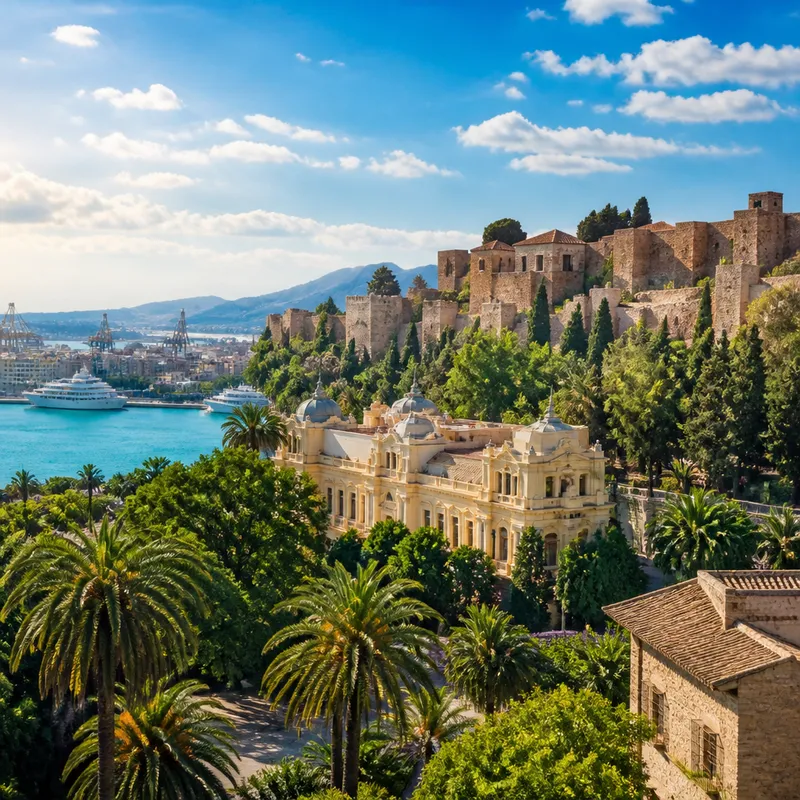
For history and elevated views, consider the Alcazaba or the route towards Gibralfaro. Check official access information and allow for gradients, uneven surfaces and daylight. If anyone in your group has limited mobility, investigate the specific route rather than assuming that proximity on a map means easy access.
Keep an uphill outing separate from a tightly timed museum reservation. A slower climb, a rest or an unexpected detour should not leave you watching the clock.
Is the beach worth visiting if you do not swim?
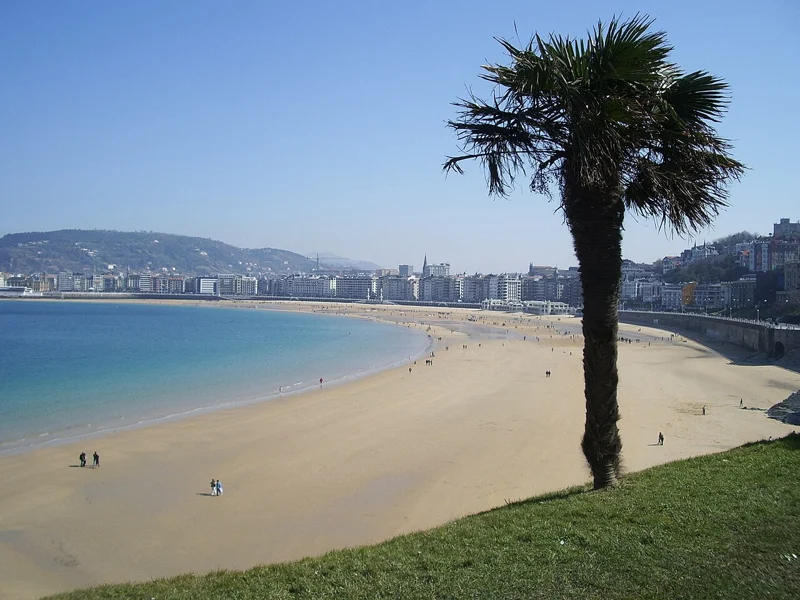
Yes. La Malagueta gives a central stay a straightforward connection with the shore, even if you only go for a short walk. The open horizon and change from enclosed streets can be reason enough to visit. Bring a layer and leave the length of your stop undecided.
Swimming is a separate decision. Pleasant sunshine does not tell you how the water will feel, and conditions can change your plans once you arrive. Follow local notices and flags, assess the sea and avoid making a swim the measure of a successful day.
For a short winter break, think of the beach as somewhere to walk or pause between other activities. That leaves you free to enjoy a comfortable spell outside without depending on it lasting all afternoon.
What should you keep flexible each day?
Choose one main activity, then add an outdoor possibility and an easy fallback. This gives the day some shape while leaving room for changing conditions or tiredness. The table offers practical adjustments rather than a schedule you need to complete.
Keep at least one alternative that needs no booking. A café, a short neighbourhood walk or a rest at your accommodation can rescue an awkward gap without creating another deadline. This is especially useful when a weekend trip already includes two tiring travel days.
| Situation | Main plan | Check first | Simple adjustment |
|---|---|---|---|
| Bright morning | Harbour and coastal walk | Wind and rain forecast | Turn back before getting tired |
| Persistent rain | A chosen museum | Opening and reservation arrangements | Leave time for lunch |
| Breezy afternoon | Old centre and cafés | Conditions beyond sheltered streets | Save the waterfront for later |
| Clear day with energy | Alcazaba or Gibralfaro area | Access, gradients and daylight | Choose a shorter visit |
| Tired arrival day | Walk near your accommodation | Check-in and luggage storage | Postpone major admissions |
| Early flight next day | Dinner near your base | Transfer and departure details | Pack before going out |
Where should you stay, and how much transport will you need?
For a first visit, comfortable walking distance from the historic centre usually makes daily decisions easier. Check the actual route to the places you want to visit, including the journey home after dinner. Read recent accommodation comments for noise, heating and room comfort.
A waterfront address may suit you if morning sea walks are a priority. Compare that benefit with the distance to your chosen museums and evening meals. With luggage or mobility needs, even a manageable sightseeing walk can be an inconvenient arrival route.
For airport rail connections, check Renfe's current service and operating information. Use your actual arrival and departure times when comparing transfer options, and allow for collecting luggage. An early flight or late arrival needs its own plan, even when most of your stay will be on foot.
Before booking, confirm how you will enter the accommodation if your flight is delayed. Save the address and arrival instructions somewhere accessible without a mobile connection, especially if reception is not staffed throughout your arrival window.
How can meals fit into an easy winter day?
Leave enough time for lunch, particularly after a museum or an uphill walk. Sitting down properly can make the afternoon more enjoyable than eating quickly to preserve an overfull itinerary. Keep dinner plans close to your accommodation on the first evening, while you find your bearings.
For outdoor meals, look at shelter as well as sunshine. A table that feels comfortable when you arrive may become chilly once the sun moves. Somewhere with indoor seating gives you a useful option. Check current service hours directly with any restaurant you particularly want to try.
How long should you stay, and should you add another city?
Three days give you a useful framework for a museum visit, the centre and some coastal time, provided you accept that other sights will wait. The Málaga three-day itinerary can help you arrange those priorities around your forecast and travel days.
Before adding another destination, count the time spent packing, checking out and reaching the next accommodation. On a brief break, another night in Málaga may give you more usable holiday time than a second city. It also provides a chance to rearrange an outdoor visit after rain.
With longer available, the Seville three-day itinerary can help you assess a separate stay. Compare the visits you would gain with the travel involved, and check current connections before committing to accommodation.
The Granada two-day itinerary is another starting point for an extension. Check its forecast independently: conditions on Málaga's coast do not reliably describe an inland destination. Pack for the whole journey rather than just your arrival city.
If you are still choosing between a deeper stay and an extension, use the Málaga destination guide to identify what you would otherwise miss. Keep the flexible day if losing it would make the rest of the trip feel rushed.
In short
Málaga works well in winter when you give each day one main purpose and leave room to change the rest. Choose a comfortable base, visit the museums that interest you and take advantage of pleasant spells by the sea. Check current official information before booking, and let the weather guide the order of your days.
Frequently asked questions
Is Málaga warm enough for outdoor meals in winter?
Sometimes, particularly in sheltered sunshine. Choose somewhere with indoor seating available and carry a layer. Decide when you arrive rather than relying entirely on the forecast.
Can you enjoy Málaga without hiring a car?
Yes. Central accommodation works well for museums, the old centre and waterfront walks. Check airport transfers separately, along with any journeys beyond the city that you want to make.
Should you book every museum before travelling?
Check the arrangements for your preferred museums and exhibitions, then reserve where necessary or useful. Leave some time unbooked so that you can move outdoor plans around the weather.
Is winter a good season for a beach holiday in Málaga?
It suits a city break with beach walks better than a holiday dependent on swimming. Build your plans around culture, food and coastal time, with swimming an optional decision on the day.
Sources and checks
- Spain.info: MálagaChecked: 15 November 2026
- Spain.info, official tourism siteChecked: 15 November 2026
- AEMET, Spanish weather serviceChecked: 15 November 2026
- RenfeChecked: 15 November 2026
Itineraries are editorial suggestions for independent visits. Check current prices, opening hours and trail conditions with official providers.