At a glance
Divide three days in Valencia between the historic centre, the Turia Garden and City of Arts and Sciences, then the maritime side of the city. Choose one substantial indoor attraction rather than buying every available combination. The beach and Albufera are different outings: keep the lake as an alternative if it matters more to you. This route combines walking with transport for longer connections.
Understand Valencia's three different settings
Valencia makes more sense when you distinguish the old town, the former riverbed and the coast. They are connected parts of one city, but their character and the effort needed to move between them differ. The old centre supports a compact heritage walk. The Turia Garden provides a long green corridor. The waterfront is best given a meaningful block rather than added as a quick detour at the end of a tiring day.
Start by choosing the attraction that needs the most time. An aquarium visit, a science museum and an outdoor architectural walk are three different uses of the City of Arts and Sciences area. Your ticket choice should reflect the experience you want. Families may give a substantial block to the aquarium; an architecture-focused visitor may prefer the exterior setting and spend their indoor budget elsewhere.
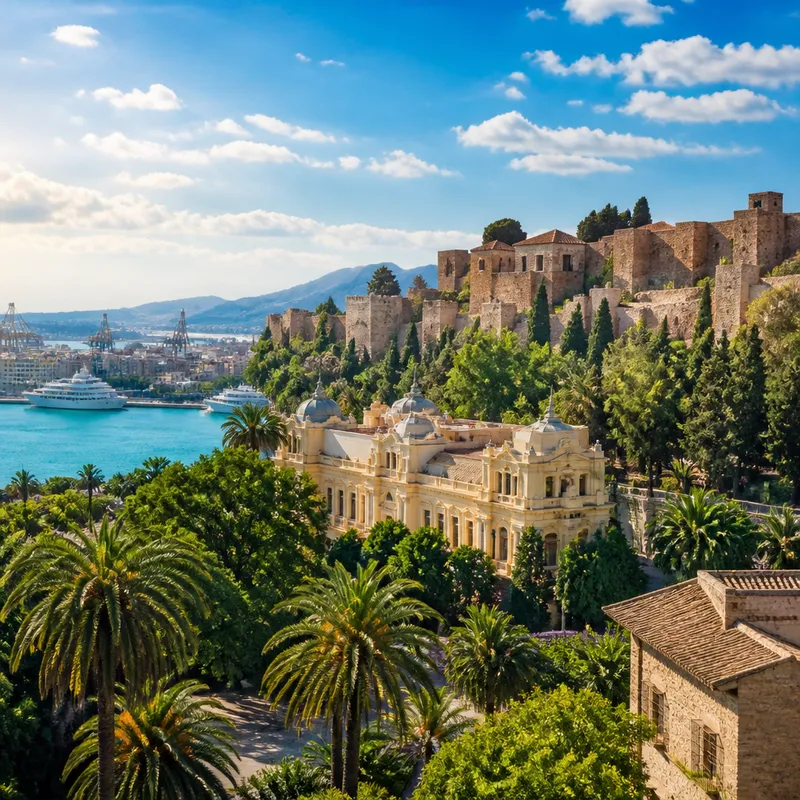
Day one: market streets and the historic centre
Begin around the Central Market and the Silk Exchange, using their surroundings as the first part of an old-town route. Check the market's trading hours for your date before making it the lunch plan. A functioning food market is most interesting when businesses are actually open, and its visitor rhythm differs from an evening food hall. Keep bags and groups clear of people shopping or working.
Choose whether the Silk Exchange, cathedral or another heritage interior deserves your main visit. You can see several landmarks from outside without making every building a ticketed stop. Pay attention to the streets between them: the old centre's squares, lanes and changing façades are part of the experience. A route that pauses at a few significant places is more coherent than repeated backtracking for distant saved recommendations.
Continue into El Carmen for the afternoon. Set a rough loop, then leave room for a café or a researched small exhibition. If towers or viewpoints interest you, check the actual ascent and opening arrangements before deciding to climb. A photograph of a skyline does not show the accessibility of the route. Travellers with different energy levels can agree on a meeting point while some make a longer circuit.
Valencia's historic core is distinct from the architecture-led days in our Barcelona itinerary. If combining the two, use their differences to allocate time rather than repeating an identical "old town plus famous building" schedule. In Valencia, the green corridor and maritime neighbourhoods deserve a place alongside the centre.
From the market/Silk Exchange area, choose a route toward Plaza de la Reina and Plaza de la Virgen, with Serranos Towers as an optional longer finish by the former riverbed. These are named heritage references in Visit Valencia’s guides. Pick one interior by its actual visitor arrangements; the squares themselves do not require you to book the cathedral, every tower and several museums in the same morning.
Day two: the Turia as a route, not a transfer problem
Make the Turia Garden part of the day's experience. The former riverbed runs across the city, so select a section appropriate to your starting point and finish near the City of Arts and Sciences. You do not need to walk the entire corridor to understand it. Identify entrances, bridges and a practical place for a break before choosing the day's distance.
Bicycles can make a longer section appealing, but check the rental conditions and where cycling is permitted. A pedestrian group and a cyclist need different pacing and crossing decisions. If you are not comfortable navigating unfamiliar urban routes, a shorter walk with transport for the rest is a reasonable choice. The goal is to enjoy the green space, not to fulfil an arbitrary length.
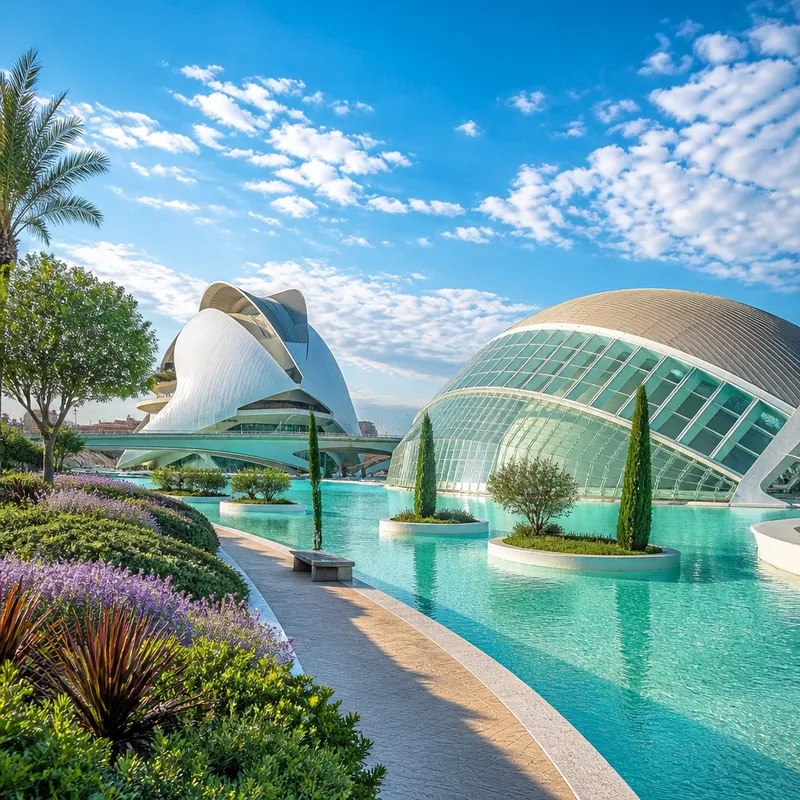
At the City of Arts and Sciences, separate the outdoor setting from the paid attractions. The complex's operator provides visitor and access information, while individual products determine what you can enter. Read the exact combination and any scheduled component before purchasing. It is easy to lose time if a cinema session, museum visit and aquarium are treated as interchangeable activities.
Give the selected interior a generous block, then let the exterior architecture provide a slower finish. Reflective pools and distinctive forms make this area visually different from the morning's green corridor. If your party prefers gardens and city streets to long indoor visits, keep the architecture walk and replace the ticketed portion with another meaningful activity. There is no requirement to enter every major attraction to appreciate Valencia.
Use the Palau de la Música area as a possible starting reference for a selected eastward Turia section toward the City of Arts and Sciences. The tourism board identifies these park landmarks. This is a smaller choice within a much longer corridor, not a claim to walk the whole Turia in a spare hour. The Oceanogràfic, Science Museum and Hemisfèric are different products; choose the one that deserves the afternoon and shorten the walk accordingly.
Day three: maritime Valencia and the beach
Use the last day for the marina and waterfront, with time in the surrounding maritime streets rather than only a brief stop at the sand. Check the route from your accommodation and plan lunch close to where you intend to spend the afternoon. The beach is a separate part of the city, so repeatedly returning to the historic centre can interrupt the day.
A coast-focused day can include a promenade walk, a relaxed meal and time looking at the neighbourhood architecture. Swimming is a personal and conditions-dependent choice, not an assumption in the itinerary. Check local beach guidance and actual weather. The seafront still provides a worthwhile outing if you prefer to remain dry, especially when you have spent the previous days in museums and historic streets.
For a gentler finish, shorten the coast programme and return to a district that interested you earlier. Ruzafa may suit a meal or café-focused block if it matches your chosen addresses and opening times. Avoid turning the last afternoon into a race between the beach, a shopping district and another attraction. Departure arrangements should determine how much of that final day is genuinely available.
For a maritime-neighbourhood version, choose a public-street section in El Cabanyal before a selected Las Arenas/Malvarrosa waterfront finish. The visitor board’s district guide explains the fishing heritage and characteristic buildings. La Marina can be the alternative waterside endpoint. Select the actual route and lunch location instead of assuming that the marina, all of Cabanyal and every beach share one short continuous circuit.
When to choose Albufera instead
Albufera is an alternative to the coast day, particularly if the lake landscape is one of your main reasons for visiting. It needs its own transport and return plan. Do not assume that a boat outing, a meal and a city-beach afternoon will all fit comfortably into the same block. Check the operator, departure point, weather limitations and what the purchased experience actually includes.
The lake and nearby food traditions can give the trip a different emphasis, but this guide does not claim to have tested a specific restaurant or boat company. Compare current menus and reservation arrangements if a rice dish is your main priority. A carefully planned meal can be the anchor of the outing, with the rest of the programme kept flexible rather than attached to a promised sunset or guaranteed boat departure.
The three-day route at a glance
Keep the table as an outline rather than an hourly timetable. The alternative in the final row is a real choice: select the coast or Albufera according to your interests. If you have only two days, combine a shorter old-town walk with the most important part of day two and retain a maritime evening only if it fits your transport and energy.
| Day | Main setting | Main choice | Avoid combining automatically |
|---|---|---|---|
| One | Historic centre | One heritage interior and El Carmen | Every tower, church and museum |
| Two | Turia Garden and arts complex | Selected indoor attraction or architecture walk | All paid attractions in one block |
| Three | Maritime districts and coast | Waterfront day or Albufera outing | Beach, lake and several districts |
Practical decisions before arrival
Choose accommodation with the whole itinerary in mind. A central base simplifies the historic walk, while a coastal address changes the pattern of travel. Compare the actual connections instead of assuming that "Valencia" in an accommodation listing means every stop is close. Save the hotel address, station names and the route for returning after dinner.
Budget for the chosen attractions before comparing passes. Do not count a discount on an activity you would otherwise skip as a saving. Outdoor walks through the old town, garden and coast can give the trip variety without requiring another entrance fee. Our Seville itinerary provides another Spanish route with a different palace-and-river focus, while the islands and coasts collection helps compare trips where waterfront time is a main priority.
Visit Valencia and City of Arts and Sciences information was checked on 8 October 2026. Confirm attraction products, market hours and outing arrangements for your own dates. Build the final order around those practical details, then leave space to enjoy how different Valencia's centre, green corridor and maritime streets feel from one another.
Choose a riverbed section rather than the whole green corridor
A shorter Turia walk lets you spend more time with the architecture or collection you selected at the eastern end. A walking-led day can retain a larger park section and stay outside the attraction buildings. These are two valid programmes with different tickets and effort. Keep cyclists, runners and other park users in mind when choosing where to pause or consult the map.
The chosen historic-centre section can take roughly two to three hours with pauses, with paid interiors and a meal counted separately. This is an editorial estimate. On the coast day, the direct journey to the maritime district matters more than repeatedly returning to your central base. Albufera remains a separate final-day alternative; a lake outing and return are not covered by the allowance for the city beach walk.
Frequently asked questions
Is three days enough for Valencia?
Three full days allow the historic centre, a Turia-and-arts-complex day and a meaningful coast or Albufera outing. Add time if you want several large indoor attractions and both the lake and beach.
Do I need to enter the City of Arts and Sciences attractions?
No. An exterior architectural walk is a valid visit choice. Paid products cover different attractions and experiences, so buy according to your interests and available time.
Should I visit the beach and Albufera on the same day?
Choose one as the main outing unless you have checked a realistic transport plan and are comfortable with a shorter visit to each. The lake is not simply another stop on the beach promenade.
Must I walk the whole Turia Garden?
No. Select a section that fits your starting point, destination and mobility. A shorter walk with public transport for the remaining distance can work well.
Sources and checks
- Visit Valencia: three-day guideChecked: 8 October 2026
- Visit Valencia: city areasChecked: 8 October 2026
- City of Arts and Sciences: visitor informationChecked: 8 October 2026
- Visit Valencia — selected Turia landmarksChecked: 8 October 2026
- Visit Valencia — El Cabanyal districtChecked: 8 October 2026
Itineraries are editorial suggestions for independent visits. Check current prices, opening hours and trail conditions with official providers.