At a glance
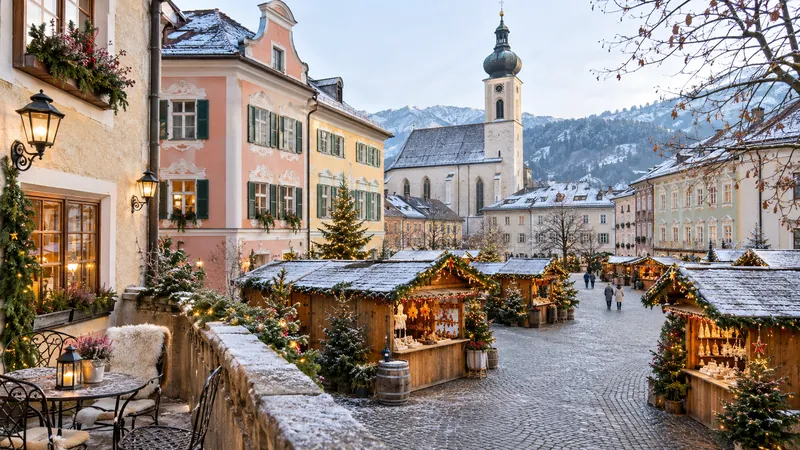
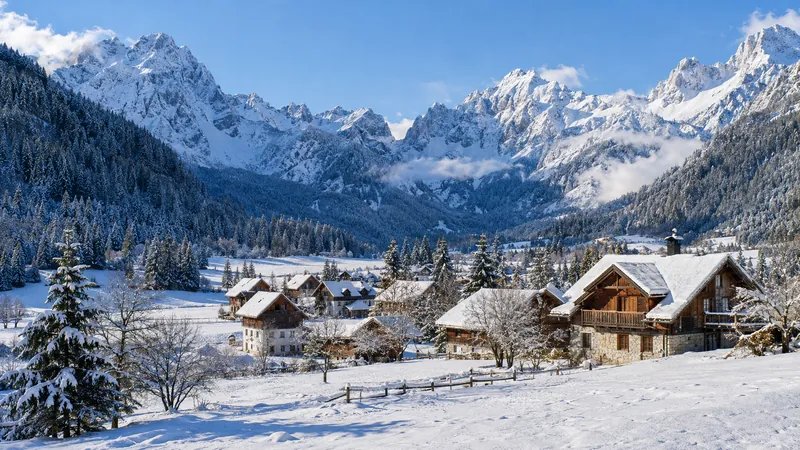
Slovenia in winter works well for a city break with Alpine excursions, even if you do not ski. Ljubljana is the most practical first base: explore its walkable centre, choose a clear day for Bled or another mountain destination, and consider the milder coast if conditions suit. Expect regional differences, short daylight and possible ice; snow in towns is never guaranteed.
Where should you base yourself in winter?
For a first visit, staying in Ljubljana keeps decisions simple. You have indoor options when rain arrives, somewhere pleasant to spend an unplanned afternoon, and transport connections for excursions. Choose accommodation within comfortable reach of both the centre and your departure stop, especially if you intend to catch an early bus or train.
The Ljubljana destination guide provides a broader introduction to the city. In winter, the main advantage of staying here is flexibility: you can rearrange sightseeing around the forecast without repeatedly packing and checking out.
Bled makes sense if lakeside scenery matters more than city life. Bohinj or Kranjska Gora suit a stay centred on the mountains, provided you check local transport and activities carefully. Piran and Koper offer a different coastal atmosphere, but make less convenient bases for Alpine outings.
| Area | Typical winter feel | Good for | Practical check |
|---|---|---|---|
| Ljubljana | Damp, sometimes foggy, with possible snow | City walks and indoor stops | ARSO forecast and venue opening days |
| Bled | Wintry lakeside scenery; surfaces may be icy | A manageable Alpine excursion | Local path conditions and return transport |
| Bohinj | Mountain surroundings and shaded lakeside stretches | A slower stay near nature | Exact arrival stop and suitable walking routes |
| Kranjska Gora | Mountain-town atmosphere, varying snow conditions | A stay focused on winter activities | Local conditions and resort operating information |
| Piran or Koper | Often milder, but exposed to rain and wind | Coastal streets and waterfront walks | ARSO wind forecast and transport connections |
What is Slovenia’s winter weather really like?
There is no single useful description of Slovenian winter weather. Ljubljana, an Alpine valley and the coast can feel markedly different on the same day. Check ARSO, the national meteorological service, for your actual destination, then look again before leaving.
Ljubljana’s cold can feel persistent because of damp air, fog and long periods in shade. A riverside stroll with frequent stops feels different from a brisk walk in sunshine. Snow is possible, but building your holiday around a white city risks disappointment.
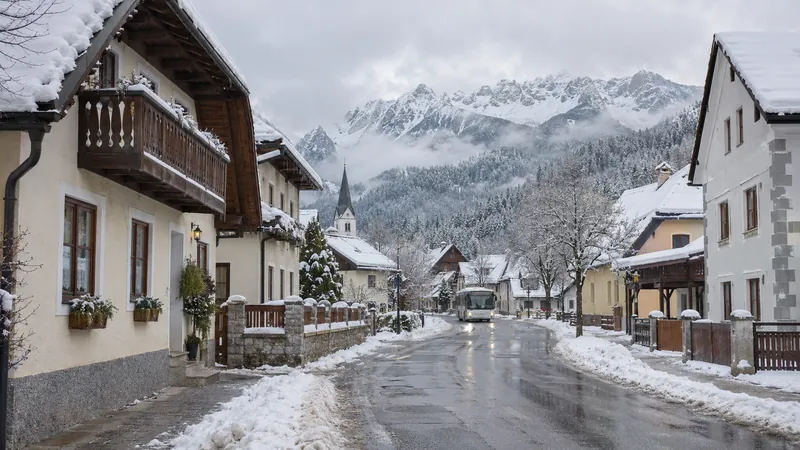
Around Bled, Bohinj and Kranjska Gora, elevation and exposure matter. Clear roads in a village do not establish whether a woodland path is icy. Equally, sunshine beside a lake tells you little about wind or visibility higher up.
The coast is often milder, though that does not promise comfortable outdoor dining every day. Rain and strong wind can change the experience quickly. Pay particular attention to wind warnings: an exposed waterfront may be unpleasant even when the temperature looks inviting.
Read forecasts as planning information. Persistent rain may favour a city day; poor visibility can make a journey for mountain views less rewarding. Keep bookings flexible where practical, especially for activities whose appeal depends on conditions.
How should you spend winter days in Ljubljana?
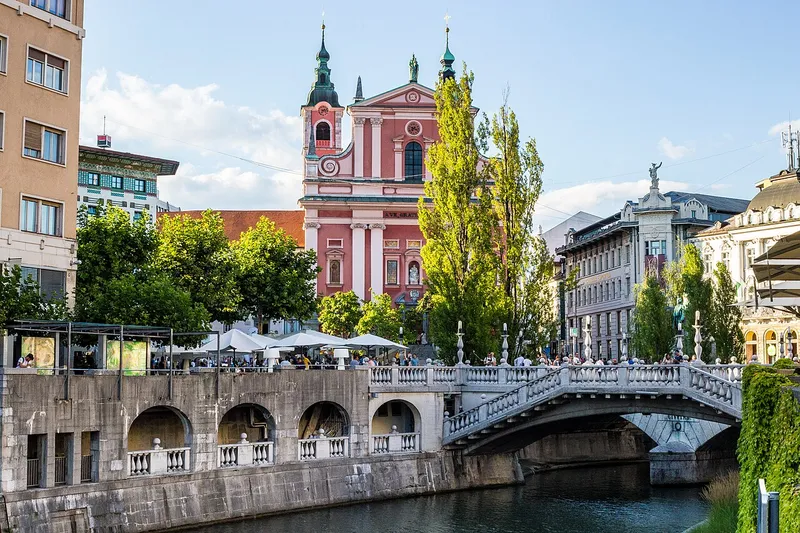
Explore the centre in short, connected stretches. Start around Prešeren Square, follow the river, cross into the old town and continue towards the market area. The Ljubljana old town walk helps organise the route while leaving room for warm stops.
Put your main outdoor sightseeing in the brighter part of the day. Save a museum, gallery or leisurely meal for later, checking opening days directly before planning around a particular venue. Winter visits feel easier when indoor stops are part of the day.
Treat the castle hill as optional. In dry conditions, the climb adds a useful change of perspective, but shaded steps and paths may become slippery. Check current access and funicular information through Visit Ljubljana before deciding how to go up.
Take care on bridges, cobbles and riverside edges. Rainwater or melting snow can freeze again, and one clear street does not mean every nearby surface is safe. Leave enough time to walk steadily rather than hurrying between commitments.
Is Bled a good winter day trip from Ljubljana?
Bled is a sensible first Alpine excursion because the lake and town provide a focus without requiring a mountain hike. Use the guide to one day at Lake Bled for ideas, then adapt the route to daylight, transport and surface conditions.
Begin with an easy lakeside section and assess conditions as you go. Completing the full circuit is optional. Turning back after a pleasant stretch is better than pressing on because an itinerary assumes a complete lap.
Be more cautious about viewpoints reached by steep woodland paths. A popular summer route can hold ice in shade after the town has cleared. Ask the local tourist office about suitable options, and accept that the safest winter view may be from beside the water.
Check attractions individually before travelling. Do not assume that seasonal activities, boat services or other facilities operate as they do in summer. Official Bled tourism is the place to start for local visitor information.
Give yourself time between finishing your walk and catching the return service. A warm drink, a slow section of pavement or an unfamiliar stop should not turn the end of the day into a rush.
When do Bohinj and Kranjska Gora make more sense?
Choose Bohinj when you want a quieter visit shaped by the lake and its mountain surroundings. It rewards an unhurried approach. Decide which village or lakeside area you want to reach before comparing transport: arriving somewhere in the wider Bohinj area does not necessarily put you beside your intended walk.
Kranjska Gora suits visitors who want to spend more of their stay in a mountain town. If skiing is central to the trip, check the resort’s official information for operating lifts, slope conditions and passes before committing to a plan.
For either destination, distinguish a village stroll from a winter mountain route. Snow-covered terrain, steep slopes and exposed paths require appropriate experience and equipment. Casual sightseeing plans should stay with suitable low-level options, informed by local advice and the mountain forecast.
Can you get around Slovenia without a car?
Yes, particularly if you stay in Ljubljana and choose excursions around workable connections. Compare the whole journey: departure point, arrival stop, onward transfer, walking distance and return service. Check the timetable for your actual date, including any weekend or holiday differences.
For trains, use Slovenian Railways. For buses, confirm details with the relevant operator. Save the return information somewhere accessible and identify an earlier service you could take if conditions deteriorate.
Bled needs particular care because Lesce-Bled and Bled Jezero are different stations. Neither should be treated as interchangeable with a central bus stop. A convenient-looking train journey can still involve another connection or a walk that is awkward with luggage or icy pavements.
Public transport works best with modest daily ambitions. Choose one destination and give it enough time. Trying to combine several mountain stops can leave little margin for delays, short daylight or simply enjoying the place.
A car is useful for accommodation outside centres or a longer mountain stay. Before hiring, check current winter-equipment rules, road information, motorway vignette requirements and the rental company’s terms. Ask what equipment is actually included.
Allow extra time after snowfall and follow official closure information. A navigation app may suggest a mountain road that is restricted or unsuitable. Having a car adds flexibility, but the forecast should still determine where you go.
Is the coast worth including in a winter trip?
The coast offers a welcome change of setting: narrow streets, sea views and a different pace from inland towns. Piran or Koper can suit a separate stay or a carefully planned excursion when the wind and transport outlook are favourable.
Avoid treating the coast as an extra stop after an Alpine day. The travel involved can consume the hours you hoped to spend outside. With only a short break, choose the excursion that best matches the forecast and your interests.
For a longer trip, the Slovenia destination guide can help you connect regions sensibly. Staying overnight on the coast gives you more freedom than making every journey from Ljubljana.
How much should you plan for each day?
Keep one main outdoor objective per day. Winter daylight is limited, and mountain valleys may lose direct sunshine well before sunset. Set off early enough to enjoy the destination and return to your stop without relying on the final minutes of light.
Three or four nights allow a relaxed Ljubljana visit and one Alpine excursion. Keep the order flexible until the forecast becomes clearer. Use arrival and departure days locally rather than attaching a distant outing to a flight or onward connection.
Check ARSO and local visitor information before each excursion. If conditions worsen, shorten the walk or stay in town. Never step onto a frozen lake because other people are doing so; appearance alone cannot establish that ice is safe.
In short
Use Ljubljana as a flexible base, choose excursions around regional forecasts, and leave room for slower journeys. Slovenia’s winter appeal extends beyond snow: manageable city walks, Alpine scenery and a possible coastal change of scene make a rewarding combination.
Frequently asked questions
Is Slovenia worth visiting in winter without skiing?
Yes. Ljubljana, lakeside scenery and coastal towns offer a varied break. Plan conservative walks and keep an indoor alternative for wet days.
Is snow guaranteed in Ljubljana or Bled?
No. Both can have snow, but neither guarantees it throughout winter. Choose activities you would enjoy with clear ground as well.
Can I visit Bled from Ljubljana without hiring a car?
Yes, with suitable bus or train connections. Check the exact arrival point, any transfer and the return timetable for your date.
How long should a first winter visit be?
Three or four nights suit Ljubljana and one Alpine excursion. Add time for a separate coastal stay or several days of winter activities.
Sources and checks
- Slovenian Tourist BoardChecked: 15 November 2026
- I feel Slovenia: practical informationChecked: 15 November 2026
- I feel Slovenia: winter holiday adventuresChecked: 15 November 2026
- ARSO, National Meteorological Service of SloveniaChecked: 15 November 2026
- Visit LjubljanaChecked: 15 November 2026
- Official Bled tourismChecked: 15 November 2026
- Slovenian RailwaysChecked: 15 November 2026
Itineraries are editorial suggestions for independent visits. Check current prices, opening hours and trail conditions with official providers.