At a glance
Budapest works well for a Christmas market break when you combine the festive squares with a manageable city visit. Allow two or three days for central Pest markets, a daylight outing to Buda and a thermal bath without rushing. Keep evenings flexible, with somewhere warm to sit between outdoor stops. Before booking, check seasonal market dates through BudapestInfo and confirm admission arrangements with your chosen bath.
Which Christmas market areas should you plan around?
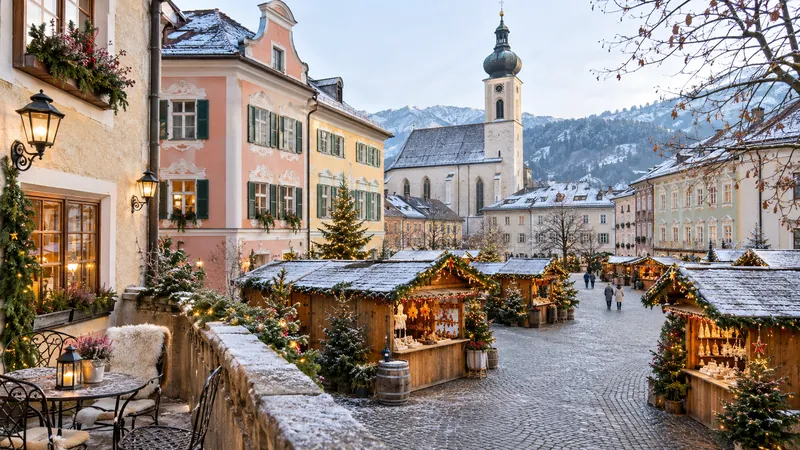
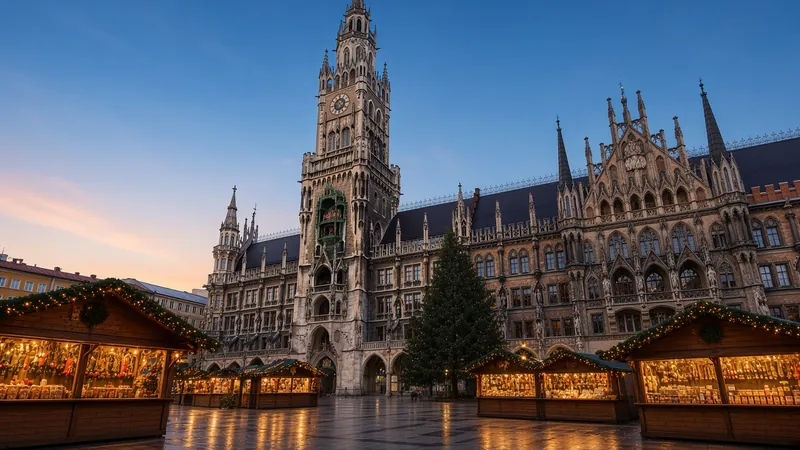
Vörösmarty Square and the square outside St Stephen’s Basilica are the central places to investigate first. Both fit into a stay on the Pest side, alongside cafés, restaurants and walks towards the Danube. Check each location’s current seasonal arrangements; their dates and programmes may differ.
You need not devote a whole evening to each market. Browse one before dinner and visit the other afterwards, or return in daylight to examine crafts and menus. An initial circuit helps you judge where you might like to eat without immediately joining a queue.
Keep purchases gradual and leave when browsing stops being enjoyable. A warm snack and a look at the surrounding buildings can be enough for one visit. Staying within convenient reach makes returning easier.
What does a realistic winter day look like?
Choose one substantial daytime activity, an indoor pause and an evening market visit. A bath, museum or Buda outing can each fill the main part of a day once lunch and travel are included. Combining all three leaves little room for delays.
For two days, give Buda the daylight portion of one and a bath the main slot on the other. Fit markets around those plans. Arrival evening suits a first look if your journey leaves you enough energy.
The Budapest two-day itinerary provides a broader sightseeing framework. In winter, choose your priorities and identify somewhere warm near each outdoor stop. Take breaks before everyone is thoroughly cold, and avoid making every meal dependent on finding space at a market.
| Part of the visit | Useful approach | Allow for | Fallback |
|---|---|---|---|
| Central markets | Browse one square at a time | Crowds and food queues | Return another evening |
| Danube riverside | Choose a short stretch | Wind and slippery surfaces | Take public transport |
| Buda outing | Explore one area in daylight | Hills, steps and return travel | Shorten the route |
| Thermal bath | Reserve a substantial daytime slot | Changing and drying | Choose an indoor attraction |
| Market meal | Check portions before ordering | Standing space and extras | Use a nearby restaurant |
| Departure day | Stay near your onward route | Bags and station transfers | Skip the final market stop |
How should you travel between Buda and Pest?
Give a Danube crossing a purpose: choose your destination and check the onward route. A bridge walk means time exposed to the wind, so consider the whole journey before committing. You can cross by public transport and still enjoy a shorter walk afterwards.
Buda’s hills make map distances misleading. A nearby sight may involve steps, a climb or a longer accessible approach. Choose one area and work out your return journey while indoors, before tiredness makes decisions harder.
Check current routes, ticket validity, validation requirements and service changes with the official local transport operator. Do not assume an intercity rail ticket includes city transport. Save your accommodation address and a nearby stop on your phone before leaving.
Where does a riverside walk fit?
The Danube offers a change of pace between crowded squares. Choose a stretch with a clear endpoint and somewhere indoors afterwards. You can appreciate the bridges and the relationship between Buda and Pest without committing to a long walk.
Use daylight for unfamiliar routes and steps. An evening view can be a separate, brief stop on your way to dinner. Watch your footing where surfaces are wet, and leave enough energy for the journey back.
A cruise is optional. Consider whether your walks already provide the views you want. Before booking, check the operator’s boarding point, enclosed seating and cancellation terms. Avoid placing another reservation immediately afterwards.
How can you fit in a thermal bath comfortably?
Give a bath its own generous space in the day. Travel, admission, changing and getting ready afterwards add time beyond the pools themselves. It works best when departure does not involve rushing to a train or dinner booking.
Choose by location, facilities and current rules. Photographs cannot establish whether your preferred pools are available or admission conditions suit your group. Start with BudapestInfo, then consult the chosen bath’s official information for tickets, age restrictions and closures.
Read what admission includes, how changing facilities work and which equipment you must bring or rent. Establish whether advance purchase reserves an entry time and what happens if your plans change.
Follow venue guidance on swimwear, footwear, towels and pool requirements. Pack a bag for damp belongings and allow time to dry and dress properly. Returning to your accommodation before the markets makes carrying purchases and keeping clothes dry easier.
What is worth eating at the markets?
Look at menus and portions before ordering. Establish whether the displayed price covers the complete dish, including toppings, bread or garnishes. For food sold by weight, ask how the final amount is calculated before committing.
Lángos, fried dough commonly served with savoury toppings, can be filling. Kürtőskalács, the sweet chimney-shaped bake, is worth considering for sharing afterwards. Buy gradually rather than ordering everything that catches your eye during the first circuit.
Find somewhere to eat before collecting hot food. Balancing plates, drinks and bags in a crowded square quickly becomes awkward. If your group needs seats, shelter or a longer rest, a nearby restaurant may suit you better.
Ask specific questions about allergies, ingredients and preparation. A short menu translation may leave details unclear. Keep an alternative in mind if staff cannot give a confident answer.
What should you wear and carry?
Plan for standing still as well as walking. Browsing stalls and waiting for food can feel colder than moving between sights. Wear layers you can adjust inside heated buildings, with comfortable footwear offering dependable grip on wet or uneven surfaces.
Keep your day bag manageable. Carry a charged phone, essential medication and somewhere to put gloves when eating. Step out of the flow of people before checking directions, paying or rearranging purchases.
Leave larger luggage at your accommodation or confirmed storage, checking collection deadlines and access arrangements. Fragile purchases are easier to manage if taken back before a bath visit. Check the Hungarian Meteorological Service before departure and during your stay, and adapt clothing and routes to the forecast.
What should families and mixed groups plan differently?
Set a pace that suits the person who needs the most breaks. Children, older relatives and anyone uncomfortable with standing may prefer several short visits. Identify a warm stop before entering a square, rather than searching once someone needs an immediate rest.
Make food decisions before everyone becomes hungry. One person can inspect menus while others wait somewhere less crowded, then regroup before ordering. Agree on a recognisable meeting point outside the busiest section in case you become separated.
For step-free travel, check the complete journey: station access, crossings and the approach to the destination. A short route may still contain obstacles. Check bath admission conditions for everyone in the group before making that visit central to your plans.
What should you check before travelling?
Confirm individual market dates through BudapestInfo’s seasonal information. Holiday arrangements can differ between locations. If a particular programme is your reason for travelling, establish that it falls within your stay before making non-refundable bookings. Check again closer to departure for changes.
For rail journeys, consult MÁV Group for the relevant services and notices, and confirm your arrival station. Leave arrival day lightly scheduled. Keep accommodation details available offline so a weak connection does not complicate the final part of your journey.
The Budapest destination guide adds wider city context. Book accommodation with the evening return journey in mind: a practical location can make short market visits easier. Check the actual route from your likely final stop rather than judging convenience by straight-line distance.
For a longer journey, the Vienna two-day itinerary and Bratislava in two days can help allocate time between stops. Count travel days separately from full sightseeing days. Check each city’s seasonal arrangements independently, and resist filling every arrival evening with a timed booking.
In short
Build your Budapest Christmas break around a few market visits, one focused Buda outing and a bath with time to spare. Use daylight for unfamiliar walks and keep warm breaks within reach. Confirm seasonal arrangements before booking, then let conditions and your group’s energy guide each day.
Frequently asked questions
How many evenings should you allow for the markets?
Two evenings give you room for relaxed browsing alongside daytime sightseeing. With one evening, focus on the central squares and keep dinner flexible. Avoid adding another timed activity that makes you watch the clock.
Can you visit a thermal bath and a market on the same day?
Yes. Allow for travel, admission, changing and drying as well as pool time. Returning to your accommodation afterwards lets you leave damp belongings behind and start the evening with fewer bags.
Should you carry cash at the markets?
Check payment methods before ordering. A modest backup in Hungarian forints can be useful, kept securely. Do not assume every stall accepts cards or foreign currency, and check the total before completing payment.
Is Budapest’s riverside worth visiting in winter?
Yes, when conditions suit a walk. Choose a short stretch with an indoor stop afterwards. Wind, rain or slippery footing are good reasons to shorten the route or use public transport instead.
Sources and checks
- BudapestInfo, official tourism officeChecked: 15 November 2026
- Hungarian Meteorological ServiceChecked: 15 November 2026
- MÁV GroupChecked: 15 November 2026
Itineraries are editorial suggestions for independent visits. Check current prices, opening hours and trail conditions with official providers.