At a glance
Berlin works well in winter when you plan around museums, short neighbourhood walks and regular warm breaks. Give each day one main cultural visit, then add a nearby courtyard, café or bookshop as time and energy allow. Use public transport between areas, and keep outdoor plans flexible when rain or wind makes walking uncomfortable. Seasonal markets can be a pleasant addition, but the trip need not depend on them.
What makes Berlin worth visiting in winter?
Winter gives you a reason to spend longer with the things that interest you. A painting collection can occupy a morning; lunch and a wander through nearby streets can fill the afternoon. You can have a satisfying day without covering much ground.
The main constraint is the balance between daylight and distance. Berlin’s broad streets and large squares can involve more walking than a glance at the map suggests. A straightforward route may feel quite different once you are carrying a damp umbrella.
Start with your interests, then choose an area that supports them. The Berlin destination guide can help you decide where to concentrate your time. Leave space between the major sights: an hour in a neighbourhood café is a reasonable part of a winter visit.
How should you organise a day around limited daylight?
Give the outdoor part of your plan the best available daylight. Explore courtyards before lunch, walk a short section beside the Spree, or look around a historic square. Fit indoor activities around that, checking their opening times before deciding the order.
One fixed commitment usually provides enough structure. If you book a museum, leave the next stop flexible so that a queue or an absorbing exhibition does not make you late elsewhere. Avoid reservations that require you to hurry through something you came to enjoy.
Keep the day within a manageable area. The Berlin three-day itinerary offers a broader framework, which you can adapt by shortening walks and allowing longer indoor stops.
Make the final outing optional. Returning to your accommodation to dry off or rest can make dinner more enjoyable. There is no need to decide the whole evening before breakfast.
Which museums make useful anchors for a winter visit?
Choose by subject rather than reputation alone. Archaeology, painting, photography and recent history each ask for a different kind of attention. If an exhibition involves extensive reading, allow yourself a break afterwards before tackling another demanding collection.
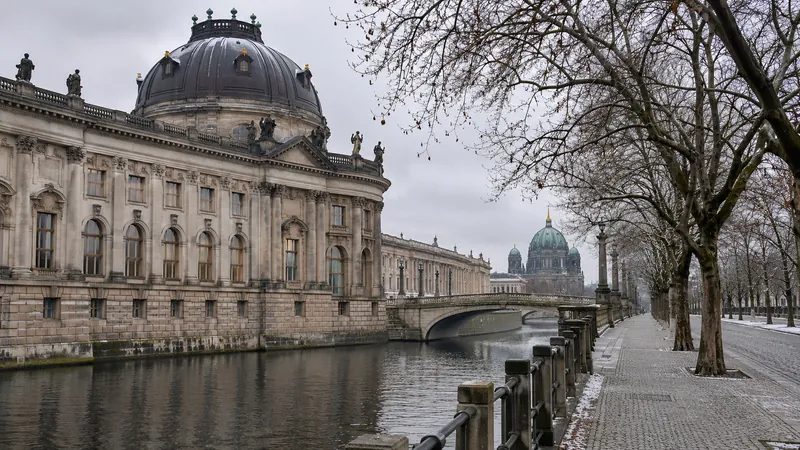
Museum Island is a useful starting point for research, but check which buildings and collections are accessible during your dates. Restoration, temporary displays and entrance arrangements may affect what you can see. Begin with Visit Berlin, then consult the institution’s own information before booking.
The Kulturforum is another area to consider for an art-focused day. A smaller gallery or photography exhibition may suit you better if you want a shorter visit followed by lunch and a walk.
Read the ticket description carefully. Check whether it includes your chosen exhibition, whether entry is timed, and what happens if you arrive late. Bag restrictions, cloakroom arrangements, seating and step-free access can also shape the visit. Pick one nearby alternative without making it another compulsory stop.
How can you explore courtyards without planning a long walk?
Around Hackescher Markt and the Spandauer Vorstadt, courtyards and side streets lend themselves to a compact outing. The interest comes from moving between entrances, façades, small shops and enclosed spaces. You do not need a lengthy route to enjoy that changing scale.
Treat access with care. Some courtyards contain homes or working businesses, and an open gate does not automatically make a space a public thoroughfare. Follow signs and avoid obstructing an entrance.
Choose an indoor endpoint before starting: an exhibition, a bookshop you have checked or somewhere for lunch. Having a destination makes it easier to shorten the walk when conditions deteriorate.
Remember that courtyards are still outdoors. They may offer little protection from rain, and cobbles or shaded steps can need extra care. Wear shoes with reliable grip and keep your hands free where possible.
What is a practical plan for different winter conditions?
Prepare a few alternatives rather than a separate itinerary for every forecast. Decide what you most want to do, where you can take shelter nearby and how you will get back. This makes changes easier without spending the morning replanning.
Check the Deutscher Wetterdienst forecast before departure and during your stay. Adjust your walking plans to the conditions you encounter. If you are already cold after the first outdoor stop, taking transport to lunch is a sensible change of plan.
| Situation | Main activity | Outdoor addition | Practical adjustment |
|---|---|---|---|
| Dry but cold | One substantial museum | Nearby courtyard circuit | Keep the walk flexible |
| Persistent rain | Gallery and a long lunch | Short walk between stops | Stay close to transport |
| Windy conditions | Indoor history exhibition | Sheltered streets if comfortable | Limit exposed squares |
| Clear daylight | Museum after lunch | Riverside section first | Give walking the daylight |
| Tired arrival day | Café and small exhibition | Streets near your accommodation | Leave reservations flexible |
| Busy seasonal weekend | Booked cultural visit | Convenient market stop | Have another evening option |
How can public transport make the day easier?
Use transport to save your walking for places you want to explore. Crossing an area on foot can be rewarding; walking between distant attractions simply because they share a place on your itinerary may add little to the day.
Before buying a ticket, check its validity area, duration and any validation requirement in current official local transport information. Airport journeys and trips beyond the centre need particular attention. Check concessions and group options against the people travelling.
Look up the current connection before leaving a warm indoor stop. Route changes, engineering work and lift availability may affect the journey. Check the station exit too: emerging on the wrong side of a large junction can add an unwelcome walk.
For arrival by rail, consult Deutsche Bahn for current journey and connection details. Compare the full trip through to your accommodation. A comfortable transfer may matter more than a small difference in the advertised journey time.
Where should you stay and plan your meals?
Look closely at the route between accommodation and transport. A useful station nearby, straightforward luggage access and places to eat within a short walk can make the stay easier. An address described as central still needs checking against your plans.
Consider evening journeys as well as daytime sightseeing. If a performance is a priority, work out how you will return afterwards. Choose a base that connects reasonably well with the areas you expect to use most.
Give lunch a proper place in the itinerary. It is a chance to warm up, sit down and decide how much of the afternoon still appeals. Check dietary options beforehand if needed, and reserve when a particular restaurant matters to the day.
Carry layers that are easy to remove indoors. Comfortable shoes and a small bag make repeated museum and café stops simpler. Leave room for gloves and a scarf so you do not have to hold them throughout an exhibition.
Should you include markets and parks?
Include a seasonal market if its confirmed dates and location fit your plans. Visit Berlin is a useful place to begin checking current listings. Do not assume that a market mentioned in an older guide will operate during your visit.
Keep the outing flexible, particularly after a long museum visit. Standing outdoors and moving slowly through crowds can become tiring. Have another dinner option so you can leave when you have had enough.
Parks call for similar judgement. A short section of the Tiergarten may be enjoyable in comfortable conditions, but there is little benefit in completing a long circuit once you are cold. Choose a route with an easy exit and transport nearby.
If you are still comparing destinations, the Warsaw three-day itinerary and Prague two-day itinerary provide other ways to structure a city break. Compare the cultural interests and pace that appeal to you, then check winter arrangements separately for each place.
What should you prepare before leaving your accommodation?
Check your main booking, the forecast and the journey to your first stop. Save the booking confirmation and address somewhere easy to find. Downloading essential details can spare you from searching on your phone while standing outside.
Pack for transitions between warm interiors and cold streets. Gloves that let you handle tickets comfortably, a compact umbrella and a bag that closes securely are useful. Keep wet items away from paper tickets or anything you need at an entrance.
Agree on priorities if you are travelling with someone else. One person may want several hours in a collection while another prefers a shorter visit. Choosing a meeting point and an approximate lunch plan can give both people some freedom.
For broader trip preparation, Germany Travel’s official site provides national visitor information. Use the official sources listed below as starting points, then confirm attraction-specific arrangements directly before committing to a booking.
In short
Build each Berlin winter day around one cultural visit and a short outdoor outing. Keep lunch unhurried, use transport between areas and leave the evening flexible. A plan that is easy to adjust gives you more chance to enjoy the city when the weather changes.
Frequently asked questions
Is Berlin worth visiting if I dislike Christmas markets?
Yes. Museums, galleries, history exhibitions, cafés and performances can provide the main structure of your trip. Markets can remain entirely optional.
How many indoor activities should I book each day?
Start with one substantial booking. Leave time for lunch and transport, then add a smaller flexible visit if you still have the energy.
Can I explore Berlin mainly on foot in winter?
Walk within compact areas and use transport between them. Shorten outdoor sections when rain, wind or slippery surfaces make walking uncomfortable.
What should I check shortly before departure?
Check the forecast, rail connections, local transport information and attraction access. Confirm reservations and identify an indoor alternative near your planned walk.
Sources and checks
- Visit BerlinChecked: 15 November 2026
- Deutscher WetterdienstChecked: 15 November 2026
- Deutsche BahnChecked: 15 November 2026
- Germany Travel, official siteChecked: 15 November 2026
Itineraries are editorial suggestions for independent visits. Check current prices, opening hours and trail conditions with official providers.